From Awareness to Action: Building a Culture of Confidential Shredding in Your Office

Even in an increasingly digital workplace, confidential paper waste remains a major security risk for businesses. From employee records and financial documents to printed contracts and customer information, sensitive data still moves through offices every day, and, if disposed of incorrectly, the consequences can be serious. A single document left in a general waste bin can lead to GDPR breaches, reputational damage, and costly compliance issues.

Yet despite the risks, confidential shredding is often treated as an afterthought. Papers build up on desks, employees put off disposal tasks, and secure bins are underused simply because the right habits and systems are not in place. Creating a secure workplace is not just about having confidential waste services available; it is about building a culture where secure disposal becomes part of everyday behaviour.

In this blog, we explore how businesses can move from awareness to action by creating a workplace culture around confidential shredding. From improving employee awareness and leadership accountability to making secure disposal more accessible and sustainable, small operational changes can have a significant impact on both data security and compliance.

Why confidential shredding still matters in the digital age

Even in increasingly digital workplaces, paper documents still contain large amounts of sensitive business information. From contracts and invoices to employee records and printed emails, confidential waste remains a serious security risk when disposed of incorrectly.

Hybrid working has also increased the movement of paperwork between offices and homes, making physical information harder to monitor and easier to mishandle. In many cases, data breaches are caused by simple human error rather than cybercrime.

Common examples of confidential waste include:

  • Employee and payroll records
  • Client contracts and financial documents
  • Printed emails and meeting notes
  • Customer contact information
  • Hard drives, USBs, and storage devices

Risky disposal habits can include:

  • Using general waste bins
  • Leaving paperwork on desks
  • Storing outdated files unnecessarily
  • Allowing confidential bins to overflow

Confidential shredding helps businesses securely destroy sensitive information, reduce the risk of data breaches, and support GDPR compliance. Just as importantly, it encourages a workplace culture where information security becomes part of everyday behaviour.

working from home shredding

What a strong confidential shredding culture looks like

A strong confidential shredding culture is built on consistency. Secure disposal should feel like a normal part of the working day, not an occasional task employees only think about during audits or clear-outs.

When businesses create clear processes and make secure shredding easy to follow, employees are far more likely to dispose of sensitive information correctly.

A strong confidential waste culture typically includes:

  • Clear guidance on what should be shredded
  • Easily accessible lockable confidential bins
  • Regular staff training and reminders
  • Simple, easy-to-follow disposal procedures
  • Leadership support for secure disposal practices
  • Secure destruction processes with proof of disposal

In workplaces with strong habits, employees automatically treat confidential waste with the same level of care as password security or locked devices. Over time, these small everyday actions help reduce risk, improve compliance, and strengthen overall information security.

How to build employee awareness

Building a strong confidential shredding culture starts with employee awareness. Even the best secure disposal systems are ineffective if staff do not understand what should be shredded or why it matters.

Regular training and clear communication help employees recognise confidential waste and dispose of it correctly as part of their daily routine.

Businesses can improve awareness by:

  • Including confidential waste procedures in onboarding
  • Providing regular refresher training
  • Using clear signage near printers and disposal bins
  • Sharing simple guidance on what should be shredded
  • Reminding teams about GDPR and data protection responsibilities

It can also help to tailor examples to different departments. HR teams may handle employee records, while finance departments manage invoices and payroll information. Showing employees how confidential waste applies to their role makes secure disposal more relevant and easier to follow.

Over time, regular reminders and clear processes help turn secure shredding from an occasional task into an everyday habit.

Shredded Paper

Make secure shredding easy and accessible

Even with strong policies in place, employees are far more likely to comply when secure shredding is simple and convenient. If confidential waste disposal feels inconvenient or unclear, it will often be deprioritised in day-to-day work.

Making shredding accessible helps turn secure disposal into a natural habit rather than an extra task.

Businesses can improve accessibility by:

  • Placing lockable confidential shredding bins in high-traffic areas
  • Positioning bins near printers, copiers, and shared workspaces
  • Ensuring regular collections to prevent overflow
  • Providing clear labelling and instructions on bins
  • Offering secure options for both paper and digital media disposal

It also helps to remove friction from the process. Employees should not have to search for where to dispose of sensitive documents or hesitate over whether something needs shredding. The easier it is to do the right thing, the more consistently it happens.

When secure shredding is embedded into everyday office workflows, compliance improves naturally and the risk of improper disposal is significantly reduced.

The role of leadership in driving behaviour

Confidential shredding culture is shaped from the top down. Even with clear policies and accessible systems, employees are more likely to follow secure disposal practices when leadership visibly supports and reinforces them.

When managers treat information security as a priority, it becomes part of everyday workplace expectations rather than a standalone compliance task.

Leadership can strengthen secure shredding behaviour by:

  • Actively following and promoting secure disposal policies
  • Including data protection in team discussions and updates
  • Setting expectations around handling confidential information
  • Encouraging accountability across all departments
  • Supporting training and awareness initiatives

Consistency is key. When employees see leaders using confidential bins correctly, asking the right questions, and taking data protection seriously, they are more likely to adopt the same behaviours.

Over time, leadership involvement helps embed secure shredding into workplace culture, making it a shared responsibility rather than an individual afterthought.

Sustainability and confidential shredding can work together

Confidential shredding is not only about security and compliance; it can also play an important role in a company’s sustainability goals. When managed correctly, secure document destruction supports responsible resource use without compromising data protection.

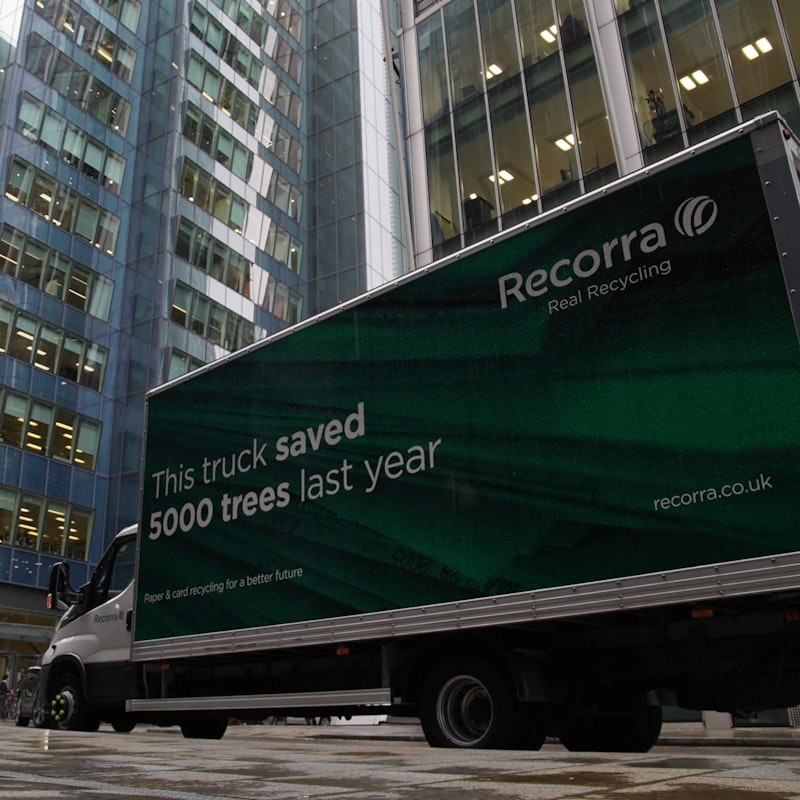
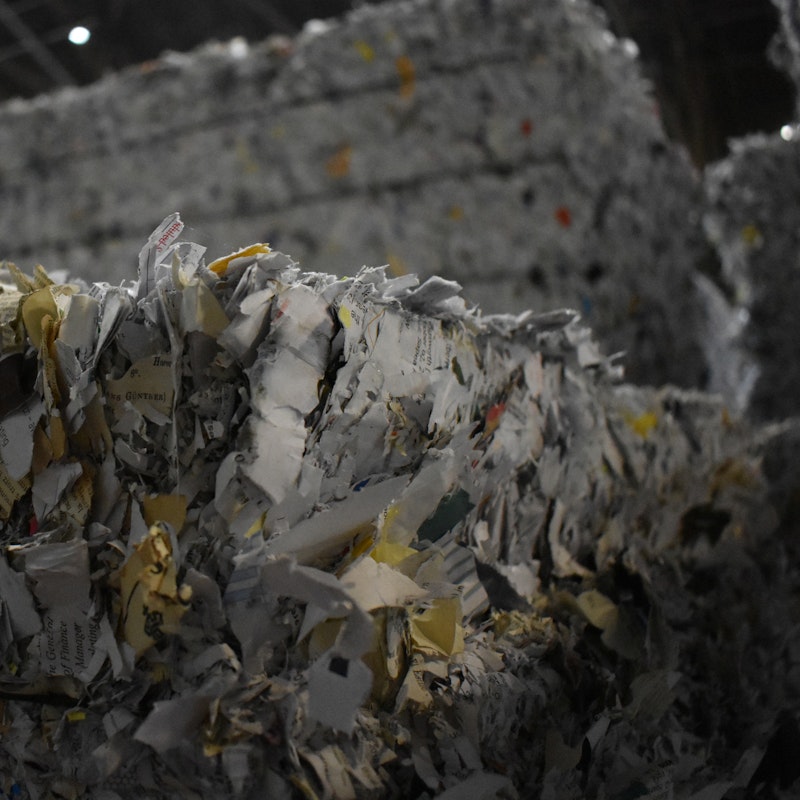
Modern confidential waste services ensure that shredded paper is handled in a way that reduces environmental impact, often through recycling and recovery processes.

Key sustainability benefits include:

  • Secure paper recycling after shredding
  • Reduced landfill waste through diversion schemes
  • Responsible handling of mixed confidential materials
  • Lower environmental impact through efficient collection routes
  • Support for wider ESG and sustainability commitments

By integrating confidential shredding into sustainability strategies, businesses can protect sensitive information while also demonstrating environmental responsibility. This dual focus helps organisations meet both regulatory and corporate social responsibility goals without adding complexity to daily operations.

Make confidential shredding second nature in your workplace

Turn secure disposal from an afterthought into an everyday habit with simple, effective systems that protect your business and support compliance.

Turn confidential shredding into everyday office culture

Confidential shredding is most effective when it becomes part of everyday workplace behaviour rather than a reactive or occasional task. When secure disposal is embedded into routine processes, businesses significantly reduce the risk of data breaches, improve GDPR compliance, and strengthen overall information security.

But building that kind of culture requires more than just policies. It depends on awareness, accessibility, and consistency across the organisation. From clear employee training and leadership engagement to making secure bins easy to use, every element plays a role in turning good intentions into daily habits. When staff understand what needs to be shredded and are given simple, accessible ways to do it, compliance becomes second nature.

At the same time, organisations can align security with sustainability by ensuring confidential materials are responsibly recycled after destruction. This means businesses don’t have to choose between protecting sensitive data and meeting environmental goals. Both can be achieved together through the right approach to waste management.

For businesses looking to strengthen their confidential waste processes, Recorra provides secure, compliant, and sustainable shredding solutions designed for modern workplaces. From lockable confidential bins and scheduled collections to fully certified destruction and recycling, Recorra helps organisations build secure shredding into everyday operations with ease.