Calculating Your Carbon Emissions

Carbon accounting should be straightforward. But with competing methodologies and a lack of standardisation, understanding your emissions can quickly become unnecessarily complex.

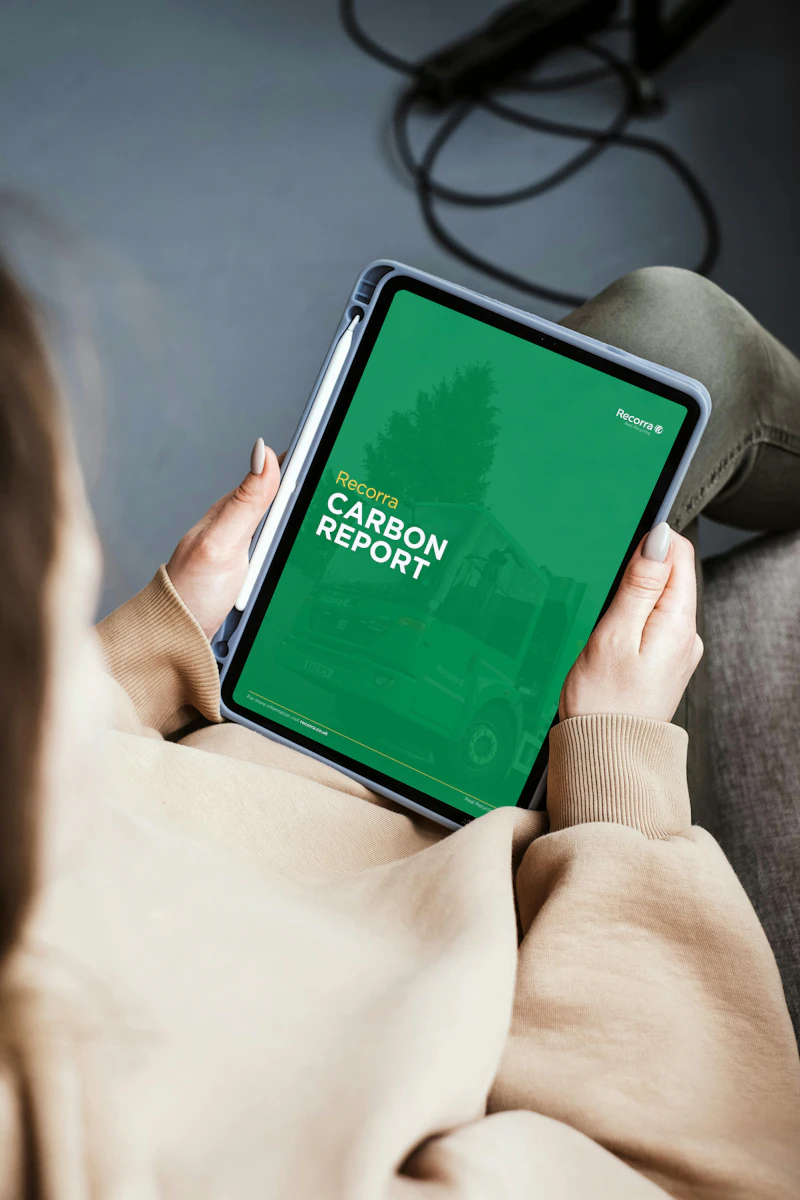
At Recorra, we devote a lot of time and effort to creating high-quality data because clear information gives clients control. Many calculation systems are not like this, meaning you are made responsible for a vague quantity of emissions that only roughly correspond to the service you receive. By prioritising accuracy of reporting and independence of calculation, our methods give you the means to actively improve your emissions.

Emissions Methodologies

There’s more than one way to skin a cat – such is the case with carbon calculation. The methods differ depending on the type of primary data collection you use, whether direct, or indirect. This data is then multiplied by the relevant conversion factor to find the emissions.

Recorra’s Method

Our carbon report discloses the greenhouse gas emissions resulting from our waste collection service, which refers specifically to the combustion of fuel in the engines of our trucks. To calculate this, for each client, we use the most accurate form of primary data collection: fuel consumption.

We extract our consumption data directly from our fuel tank, which we use to find the average emissions of the waste we collected over the time-period. We then allocate the emissions to clients based on their waste production.

As we run our trucks on HVO fuel, we use conversion factors from the energy supplier, which

This method means you only take on the proportion of emissions y are based on our specific fuel mix of used cooking oil. ou are directly responsible for, and you have levers to decrease emissions if you so wish, for instance, by scheduling less frequent collections, reducing your waste, or signing up for the EV levy.

Bespoke Recycling

Many clients want to know the emissions of different service options, most commonly the impact of a RoRo collection with a compactor, versus the same waste collected more frequently in bins on an RCV. With manual data collection and calculation, we mock-up the emissions of changing your service, so you can see what the difference would be. This is particularly useful if clients need to provide a business case for increasing costs.

Also, it can be the case that your site would benefit significantly from a certain collection arrangement, due to your specific location. For instance, if you are located directly next to a waste transfer station, then we do not need to transport the compactor very far at all, meaning the emissions might be much lower than a bin collection. On the other hand, if you are ideally located on our standard RCV route, then picking up your waste quite frequently might be very carbon efficient as we are servicing so many clients in the same route. Therefore, switching to less regular, heavier collections could result in substantially more emissions.

Recorra’s bespoke calculations and reports can give you this information before you make a switch.

Other Calculation Methods

When primary data like exact fuel consumption is not available, there are other indicative ways to assess emissions. The best alternative is something only a few degrees away from the emissions source – for transportation services, this would be distance, as you can make a reasonable assumption of the amount of fuel consumed for the mileage travelled. This assessment would be less accurate than primary data as it doesn’t account for speed – crawling through congested traffic is far less fuel-efficient than driving the same distance at a reasonable speed.

Spend-Based Methods

When you cannot access any indicative data, you must turn to spend-based methods. These take the total amount spent on a service and multiply that by a conversion factor for the emissions of that sector of the economy. The resulting data is vague, but at times, the best option.

The worst part of spend-based methods is not necessarily the general inaccuracy, it’s the fact that your emissions are correlated to the price of a product or service. This means that if you choose to spend more for a service with lower environmental impact, your reported emissions will technically increase!

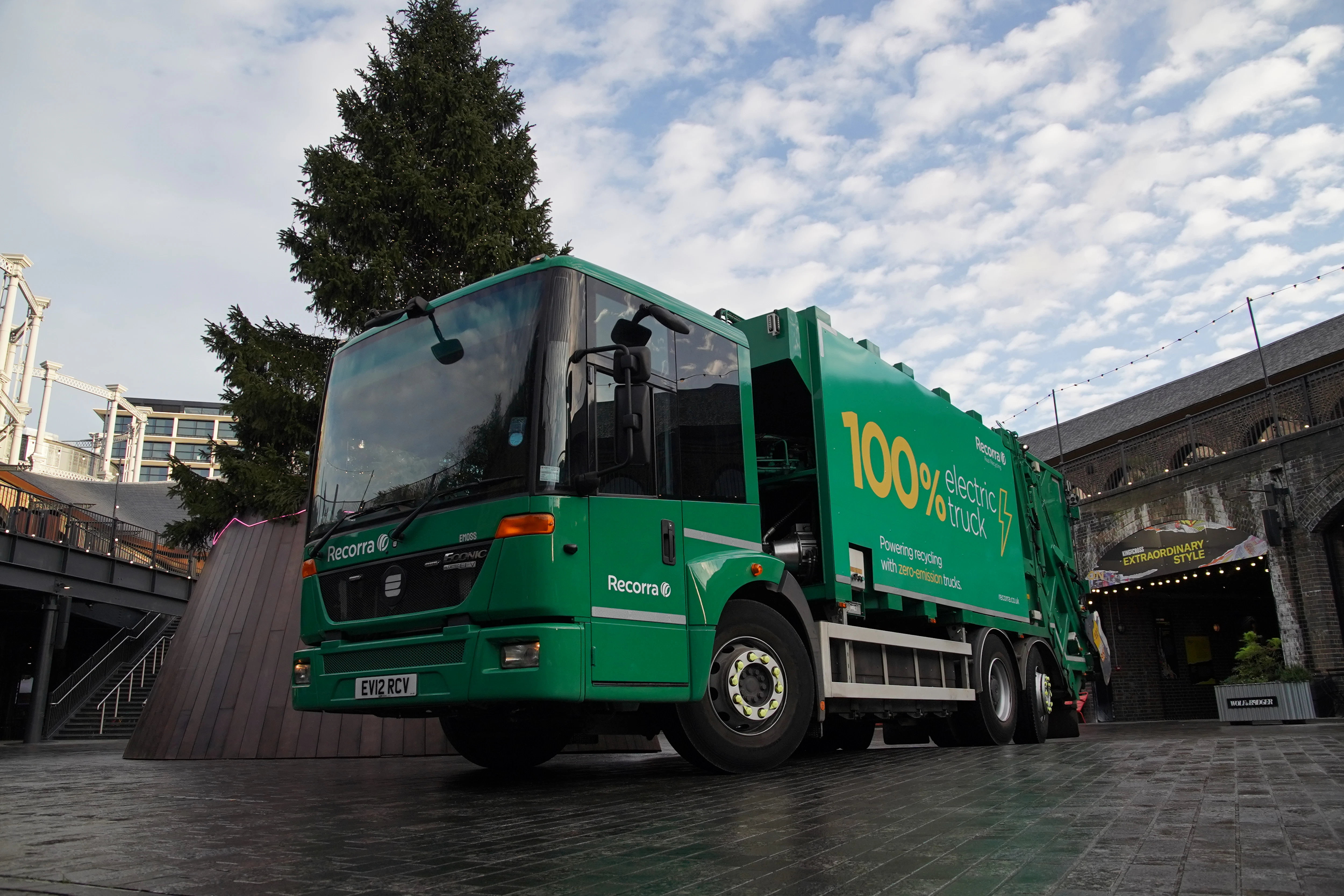
This is particularly a problem because sustainable options are often more expensive. Innovative systems that do not currently operate at scale have higher base costs, resulting in higher prices for the same service. For reference, Recorra’s electric RoRo was twice the price of a conventional internal combustion engine vehicle. If we calculated the emissions just from how much we spent on it, that would be misleading.

Greenhouse Gas Protocol: Scope 3 Category 5

Waste Produced in Operations

Recorra’s carbon report provides highly accurate data on the emissions of transporting your waste. We also add on the relevant emissions of sorting that waste at our Materials Recovery Facility (MRF), which result from the fuel we use in static machinery around the plant. We do this on a proportional basis, allocating a tiny fraction of total fuel emissions to the client based on their total waste production.

These two emissions sources combined make up the Greenhouse Gas Protocol’s Scope 3 Category 5 – Emissions of Waste Produced in Operations. According to the ‘recycled content method’ stipulated in the standards, all the emissions of further processing waste are allocated to other parts of the inventory, so the cut-off point for your waste when managed by Recorra, is when we finish sorting it at our MRF.
Reporting, Auditing, and Accessing Data

Clients can use Recorra’s data in their Greenhouse Gas Inventory to report their carbon footprint. We can also provide the full calculations broken down for the whole year, if clients want to get their inventory audited to a quality standard, like ISO 14064-1 or Planet Mark.

Once you have subscribed to Recorra’s carbon reporting, we make the data accessible from the MyRecorra portal, so you can easily download data and compare emissions across time periods.