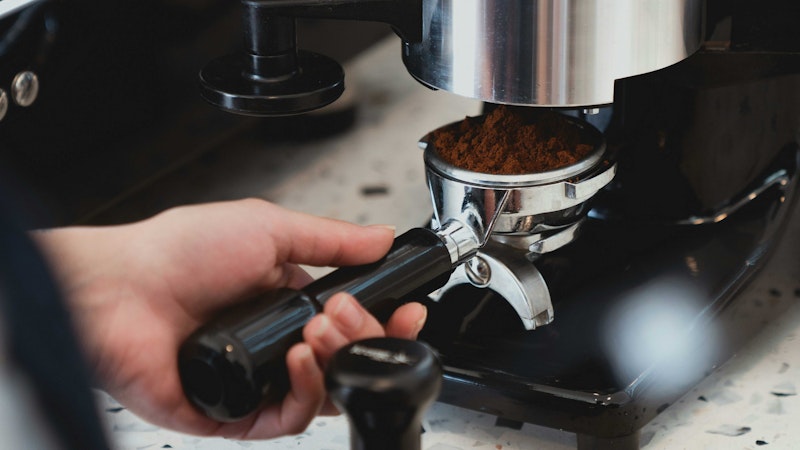
Coffee Grounds Recycling: Turning Overlooked Material into Something Extraordinary
Turn coffee grounds into liqueur, animal feed and eco fuel and boost recycling rates with smarter coffee waste solutions.
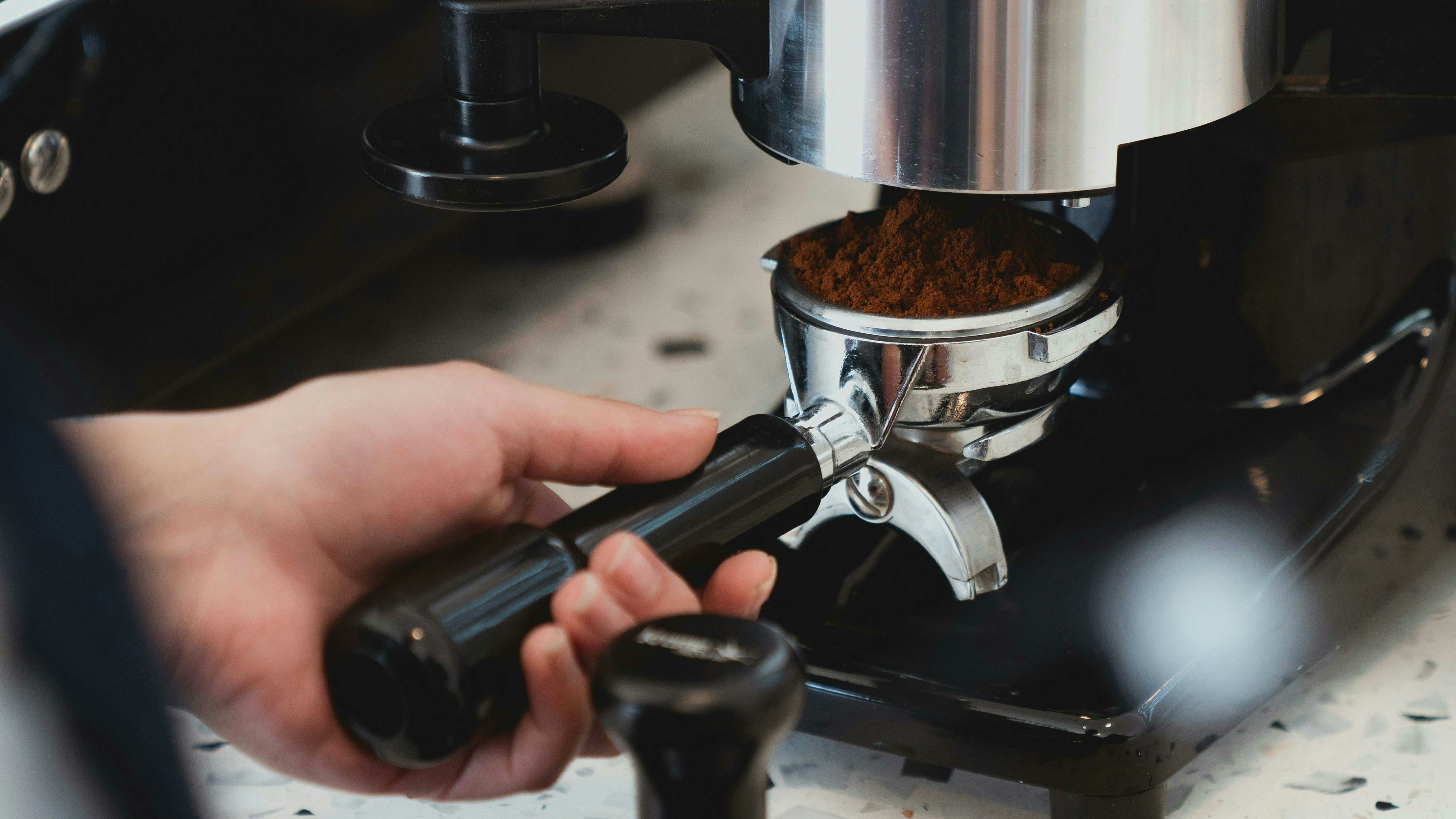
Did you know your coffee grounds can do amazing things?
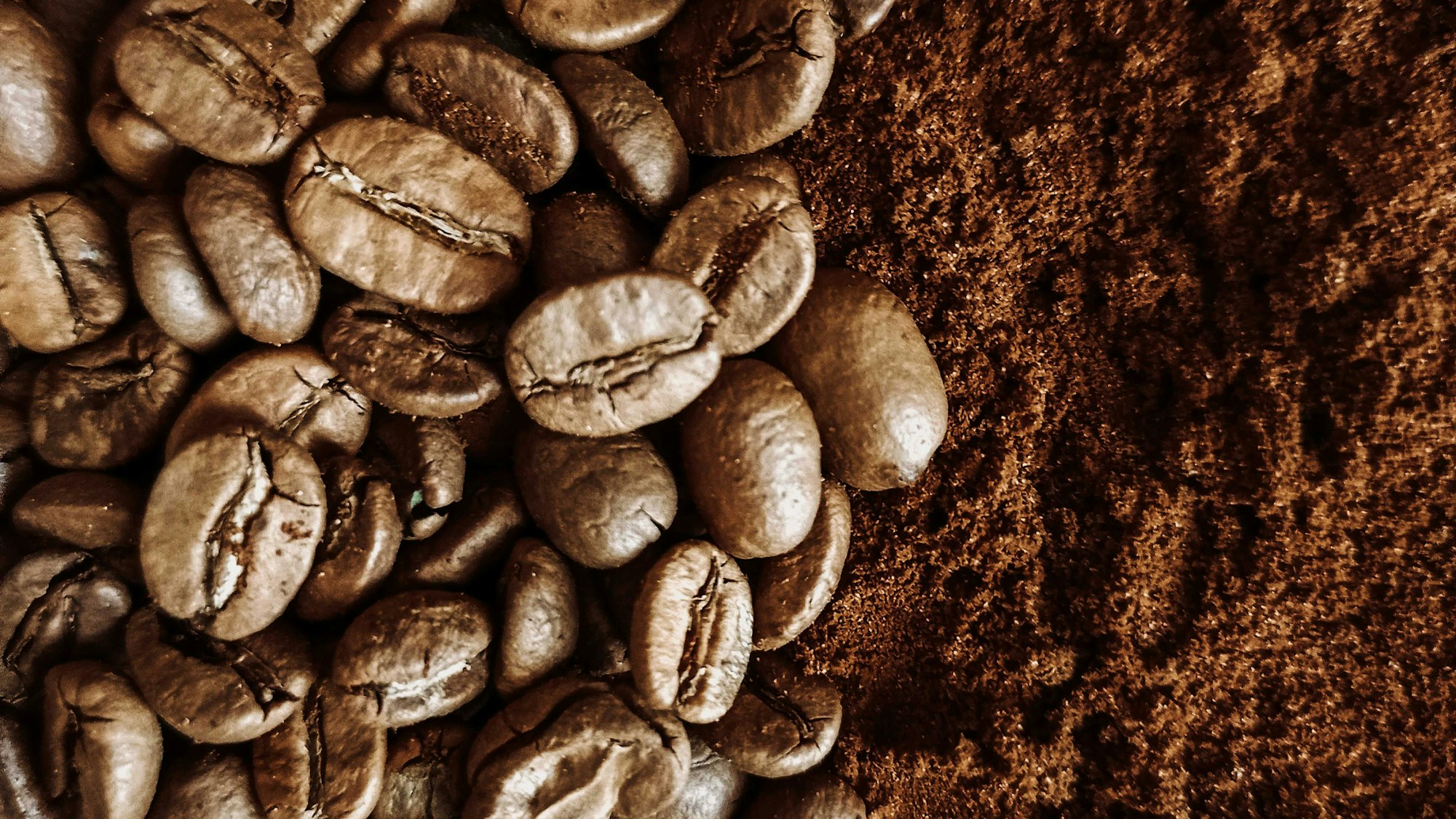
Every year the UK produces up to 500,000 tonnes of used coffee grounds. Most businesses think they are doing the best thing by putting coffee grounds into Food Waste. But, there are even more sustainable and circular options for this nutrient-rich material like transforming coffee grounds into alcohol.
Anaerobic Digestion (AD) is a process used by food waste recyclers where microorganisms break down organic waste in the absence of oxygen. The resulting products include biogas used for renewable energy and nutrient-rich digestate which is used as fertiliser. This process also reduces the amount of organic waste in landfill which will decompose and emit methane, a greenhouse gas 23 times more potent than carbon dioxide.
Coffee grounds are heavy and dense which means they sink to the bottom of food waste during Anaerobic Digestion (AD), impeding the process. During AD they form a thick sludge that must be cleaned out of recycling equipment every fewweeks. These inefficiencies are detrimental to the food waste recycling process and reduce its environmental benefits.
So, while placing coffee grounds in Food Waste Recycling is technically acceptable, this option fails to maximise environmental impact or resource recovery. This is a hidden challenge most businesses are unaware of, but it means that coffee grounds are one of the easiest ways to increase recycling rates.

While many providers send coffee grounds for AD or composting, Recorra works with partners to create high-value, innovative products out of your spent grounds.
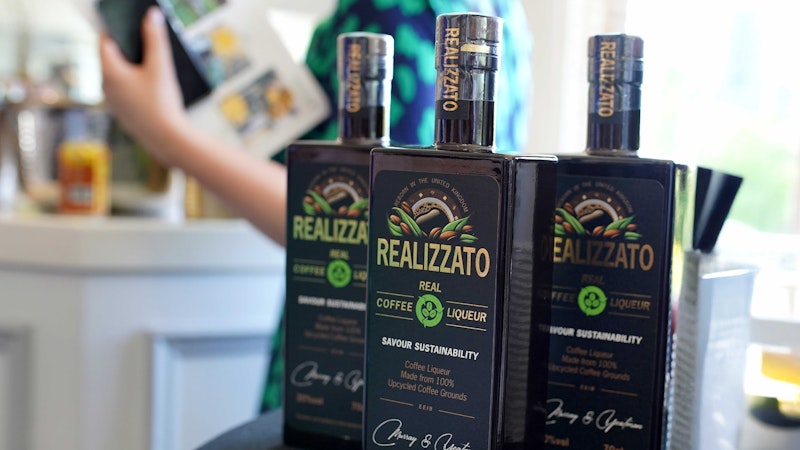
A new kind of alcohol, the first in 400 years, Realizzato is a liqueur made from breaking down spent coffee grounds to release fermentable sugars. Triple distillation removes any impurities while preserving its aromatic coffee flavour.
Recorra clients can close the loop on coffee ground recycling through Realizzato. Coffee Grounds collected by us become the primary input for production and customers can buy back the finished liqueur for use in bars or personal consumption.
If you want to experience Realizzato for yourself, you can purchase a bottle on the Realizzato website.
Recorra also provides spent coffee grounds to Flybox. This company feeds the grounds to black soldier flies, which become a protein-rich animal feed. This helps reduce farmer reliance on soy-based feeds that are often linked to deforestation.
You can also explore what Flybox does here.
Recorra also provides Envar with spent coffee grounds so they can be turned into soil-enhancing pellets for horticultural and viticultural markets, eco-fuel logs, and other innovative solutions that support the circular economy.
See what happens to coffee grounds with Envar here.
In addition to keeping coffee–ground sludge out of AD equipment, collecting coffee grounds separately can quickly boost recycling performance. Rather than weighing down General Waste or Food Waste Recycling, adding a Coffee Grounds Recycling stream removes a heavy material from these collections.
Separate collections also keep this material clean and gives it a chance to be reprocessed into something new.
What’s more, the switch to Coffee Grounds Recycling is easy. Because used grounds are already separated inside coffee machines, many businesses don’t have to implement any behaviour changes to collect the grounds. Swapping one Food Waste bin for a Coffee Grounds bin means no additional storage space is required. As a straightforward addition to existing recycling systems, teams face minimal operational change.
Creative solutions like Realizzato and Flybox support resource recovery and a circular economy by encouraging more outside–the–box thinking when it comes to how materials can be upcycled into new products.
So, sending coffee grounds to Recorra is far more impactful than sending them through a process that cannot use them effectively. Adding a new recycling service like Coffee Grounds Recycling demonstrates continuous improvement and a dedicated colour on recycling charts makes progress feel tangible for staff, visitors, and stakeholders, helping to boost morale, visibility, and engagement.
If you’re interested in setting up a Coffee Ground Recycling service for your business, contact Recorra to get started today.
Turn coffee grounds into liqueur, animal feed and eco fuel and boost recycling rates with smarter coffee waste solutions.

Driving global change with Umthombo Trust in South Africa, using expert due diligence to power youth-led environmental education in Rheenendal.
How Landsec, Principle Cleaning, and Recorra created a secure workwear recycling solution that transforms branded textile waste into valuable circular materials while protecting brand integrity.
