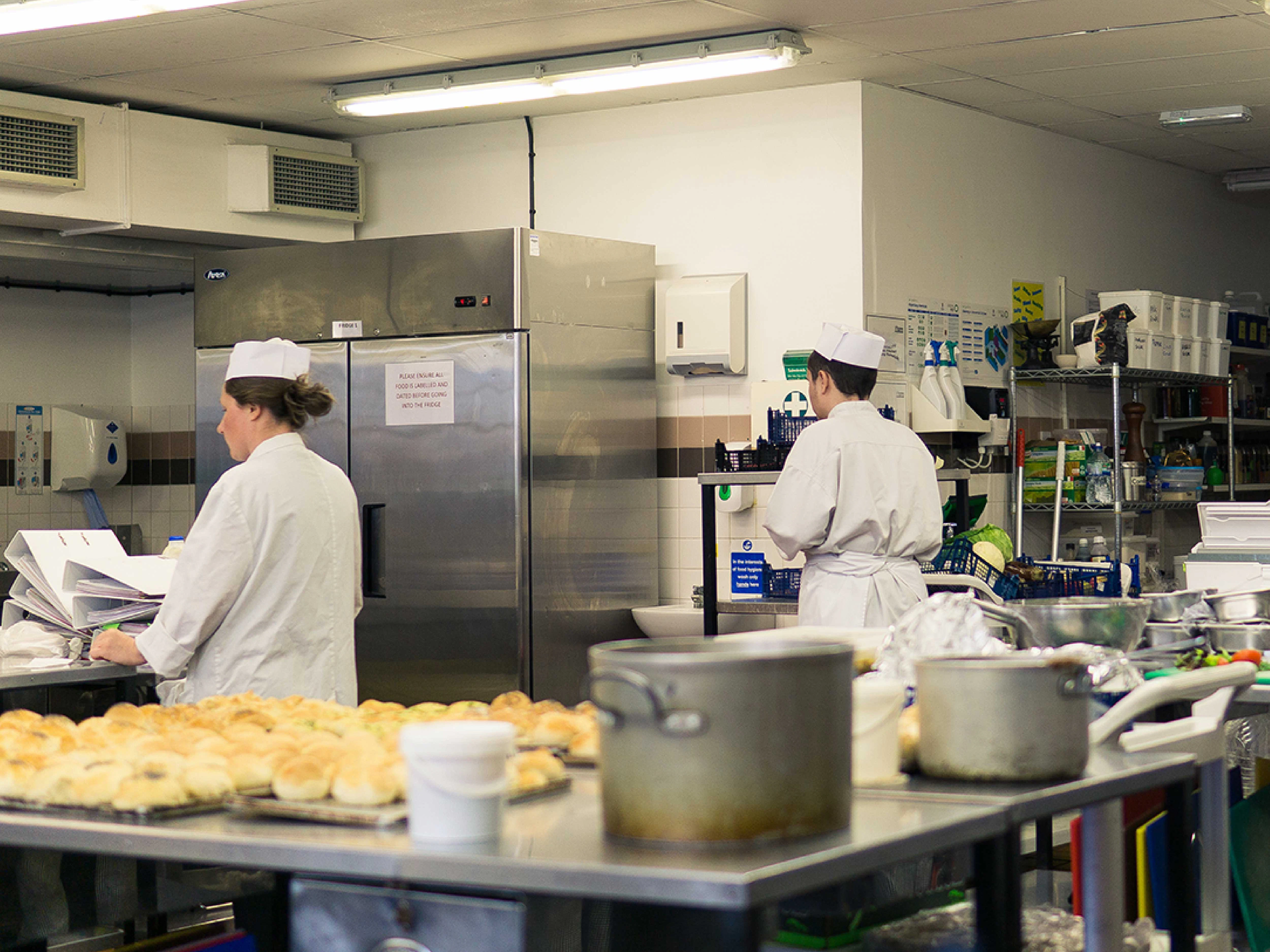
Hospitality Commercial Food Waste Recycling Central London: What Good Looks Like

For hospitality businesses across Central London, effective food waste management is no longer just a sustainability initiative. It’s an operational and legal necessity. Restaurants, hotels, cafés, pubs, and catering companies generate significant amounts of food waste every day, making reliable recycling services essential for maintaining efficient operations and meeting environmental commitments.

As regulations around waste segregation continue to evolve, businesses are increasingly looking for commercial food waste recycling in Central London that is practical, compliant and tailored to the demands of busy hospitality environments. From limited storage space to high collection requirements, finding the right recycling solution can make a significant difference to both day-to-day operations and long-term sustainability goals.

In this guide, we’ll explore what hospitality businesses should expect from a food waste recycling service, the common challenges faced in Central London, and the key signs of a recycling programme that delivers real value.

What hospitality businesses need from a food waste recycling service

Hospitality businesses operate in fast-paced environments where waste management needs to be reliable, efficient, and easy to integrate into daily operations. Whether you’re running a restaurant, hotel, café, or catering business, the right commercial food waste recycling Central London service should support your team rather than create additional challenges.

Key features to look for include:

  • Reliable collections: Regular and dependable collections help prevent waste build-up, particularly during busy trading periods.
  • Flexible container options: Different venues have different requirements, so a range of food caddies and bin sizes can help maximise available space.
  • Collection schedules that fit your business: From daily collections to tailored frequencies, services should align with the volume of food waste your business produces.
  • Support with compliance: A good provider should help you meet food waste segregation requirements and stay compliant with current legislation.
  • Solutions for limited storage space: Space is often at a premium in Central London, making compact and practical waste storage solutions essential.
  • Clear reporting and insights: Access to waste data can help businesses track recycling performance, identify opportunities to reduce waste and support sustainability reporting.

Ultimately, hospitality businesses need a food waste recycling service that is dependable, compliant and flexible enough to keep pace with the demands of a busy operation.

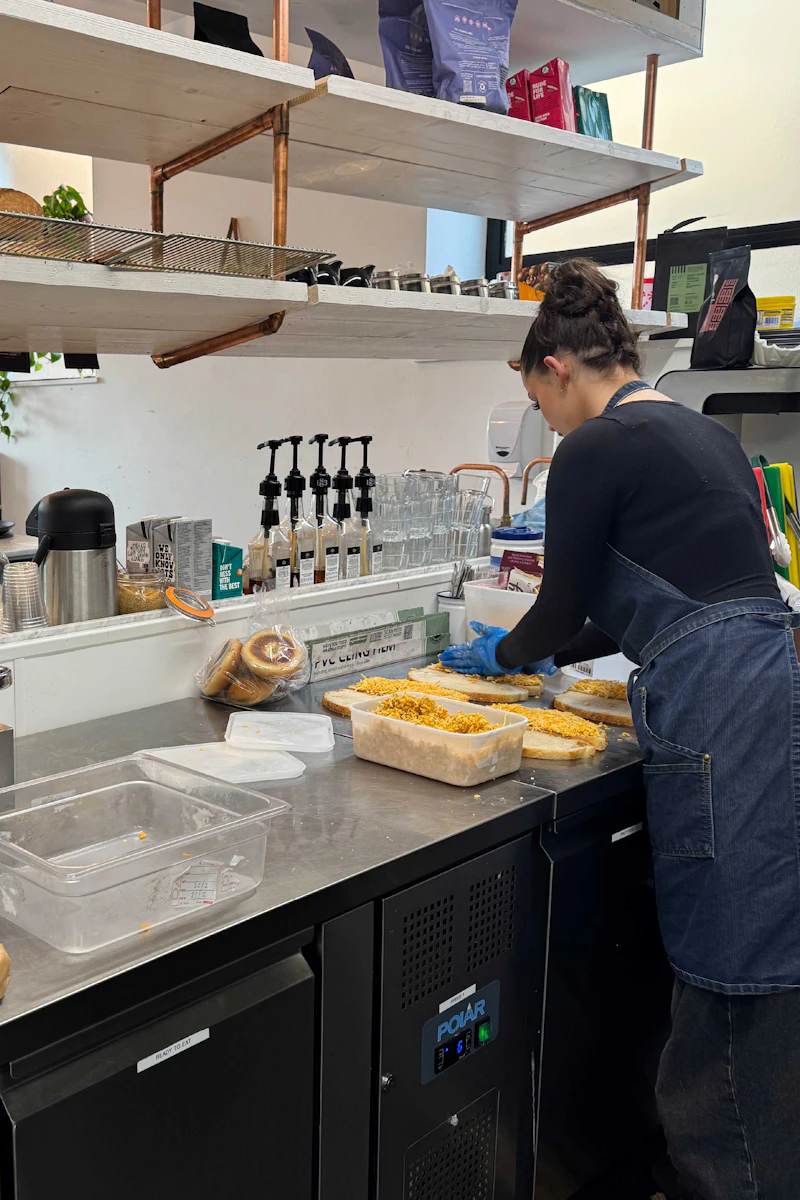
commercial food waste recycling

Common food waste challenges in Central London

While food waste recycling offers clear environmental and operational benefits, hospitality businesses in Central London often face unique challenges when managing their waste streams. From restricted storage areas to busy collection routes, finding an effective solution requires careful planning.

Some of the most common challenges include:

  • Limited storage space: Many venues have restricted room for waste containers.
  • High waste volumes: Restaurants, hotels, and caterers can generate large amounts of food waste daily.
  • Hygiene concerns: Food waste must be managed carefully to minimise odours and pest risks.
  • Collection restrictions: Busy roads, loading restrictions, and access issues can complicate collections.
  • Staff consistency: Ensuring food waste is correctly separated across teams can be difficult.
  • Regulatory compliance: Businesses must keep up with food waste recycling requirements and legislation.

Choosing a reliable commercial food waste recycling provider in Central London can help hospitality businesses address these challenges while keeping operations running smoothly.

What good commercial food waste recycling looks like

Effective food waste recycling is about more than simply separating waste into the correct bin. For hospitality businesses, success comes from creating processes that are easy to follow, minimise contamination and maximise recycling rates.

Key indicators of good food waste recycling include:

  • Food waste is separated correctly from general waste and recyclables.
  • Contamination is kept to a minimum through clear signage and staff awareness.
  • Staff understand the process and follow consistent recycling practices.
  • Food waste volumes are monitored to identify opportunities for waste reduction.
  • Waste is diverted from landfill and sent for treatment through approved recycling processes.
  • Recycling supports wider sustainability goals and environmental reporting.

Good commercial food waste recycling Central London systems should also deliver consistently reliable performance over time, including zero or minimal missed collections and stable service delivery across all operating periods.

It should also provide clear, auditable reporting and consistently low contamination rates, enabling hospitality businesses to demonstrate compliance and track ESG performance with confidence.

By focusing on these best practices, hospitality businesses can improve recycling performance while reducing their environmental impact.

food waste recycling

Staying compliant with Simpler Recycling

The UK’s Simpler Recycling regulations require many businesses to separate food waste from general waste as part of a standardised approach to recycling. For hospitality operators in Central London, this means ensuring food waste is collected and processed separately from other waste streams.

Who needs to comply

Most hospitality businesses with 10 or more employees are now required to follow these rules, with smaller businesses expected to comply from 2027. This includes restaurants, hotels, cafés, pubs, and catering operations.

What compliance looks like in practice

To meet requirements, businesses should ensure:

  • Food waste is clearly separated at source
  • Appropriate containers are available in kitchen and service areas
  • Waste is collected by a licensed provider
  • Staff are trained on correct segregation procedures

Why compliance matters

Failing to comply can lead to operational disruption and reputational risk. More importantly, proper food waste segregation supports wider sustainability targets and helps reduce the environmental impact of hospitality operations.

How a recycling provider can help

Working with an experienced commercial food waste recycling provider in Central London can simplify compliance by offering the right containers, collection schedules, and guidance to ensure your business remains aligned with current legislation.

commercial food waste recycling central London

Why Central London hospitality businesses choose Recorra

Hospitality businesses across Central London need a food waste recycling partner that understands the pressures of operating in a fast-paced, space-limited environment. Recorra is chosen by many restaurants, hotels, and catering operators for its ability to deliver reliable and compliant commercial food waste recycling Central London services tailored to the sector.

Key reasons include:

  • Local Central London expertise: Understanding of access restrictions, tight schedules, and busy urban environments.
  • Flexible service options: Range of container sizes and collection frequencies to suit different operations.
  • Compliance support: Help with meeting Simpler Recycling requirements and food waste segregation rules.
  • Food waste processing: Waste is diverted from landfill and treated via approved recycling methods such as anaerobic digestion.
  • Reporting and insights: Data to support ESG reporting and sustainability tracking.
  • Reliable collections: Consistent service designed to support high-pressure hospitality environments.

Ready to improve your food waste recycling?

Get a tailored commercial food waste recycling solution for your Central London hospitality business with reliable collections, compliance support and clear reporting.

Future-proof your hospitality waste management

Commercial food waste recycling in Central London is becoming increasingly important as regulations tighten and sustainability expectations grow. For hospitality businesses, the priority is staying compliant while building waste systems that can adapt to future change.

Effective food waste recycling helps reduce operational strain, improve hygiene, and support long-term sustainability goals. With the right setup in place, hospitality operators can work more efficiently while demonstrating clear environmental performance.

Working with an experienced provider helps ensure your business remains compliant and prepared for evolving requirements.

If you’re looking to improve your commercial food waste recycling in Central London, Recorra can help design a tailored solution that supports compliance, efficiency, and sustainability. Get in touch to discuss your requirements.