
Why Data Destruction Matters More Than Ever: Regulations Explained
Why does secure data destruction matter? Discover key UK GDPR rules, and how shredding and IT wiping can keep your business compliant and safe.
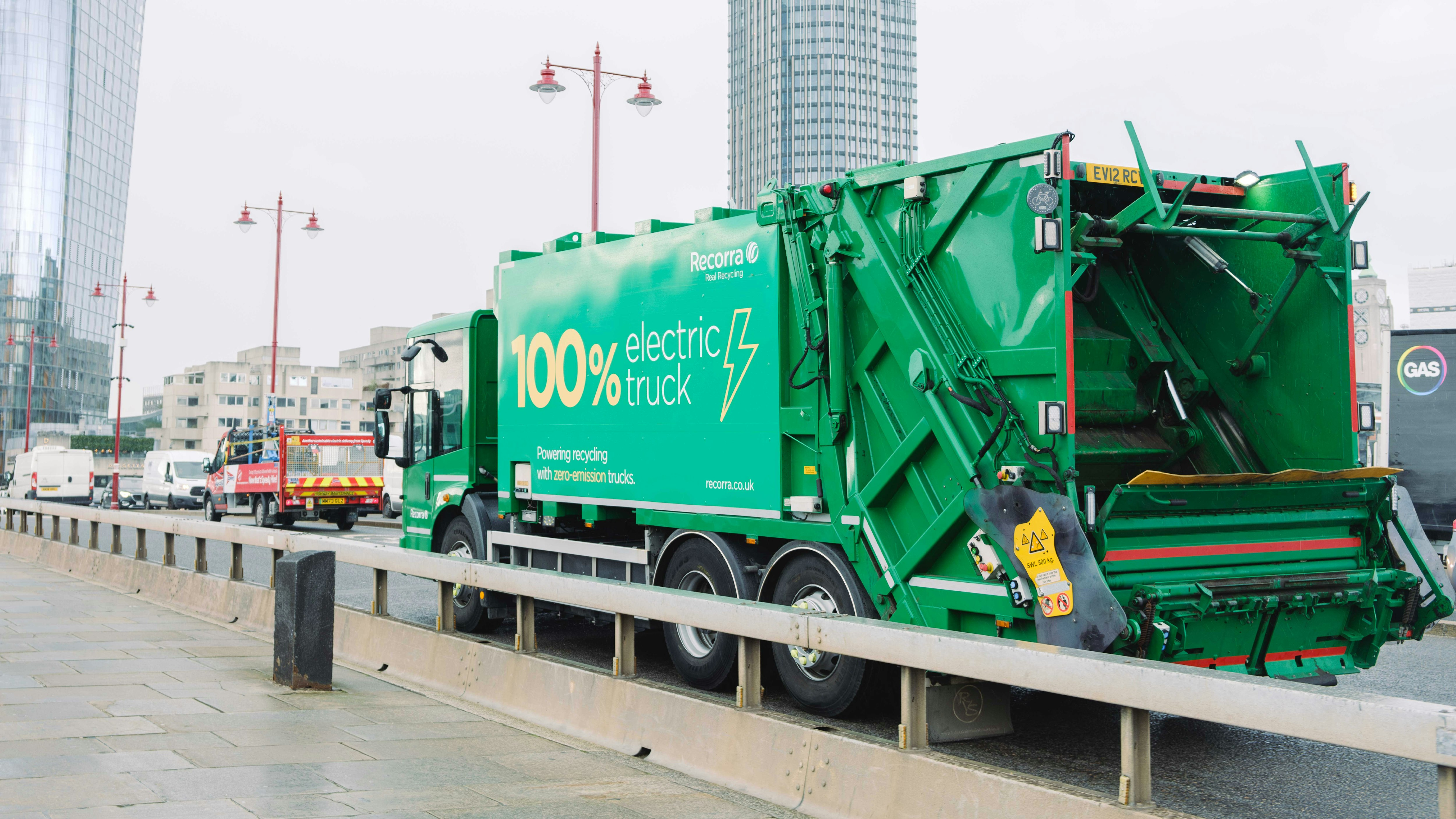
As the UK edges closer to a more circular, low-carbon waste system, a wave of major policy changes is set to reshape how organisations manage commercial waste collection over the next few years. From landfill tax reforms and a potential ban on biodegradable waste, to the inclusion of Energy-from-Waste in the UK Emissions Trading Scheme and the long-awaited Deposit Return Scheme, businesses will face rising costs for residual waste and stronger incentives to prioritise reduction, reuse, and high-quality recycling. Together, these measures mark a decisive shift in environmental regulation, one that Recorra customers should prepare for now to stay ahead of operational, financial, and compliance impacts.
The UK Government’s 2025 consultation on Landfill Tax reform proposed sweeping changes aimed at simplifying the tax system, reducing waste crime, and supporting the transition to a circular economy. Key proposals included removing exemptions for quarry restoration and dredged material, eliminating the water discounting scheme, and transitioning to a single tax rate by 2030. However, in the Autumn 2025 budget the government confirmed the two landfill tax rates will remain, but the government will act to ensure the gap between them does not widen further in coming years. The exemption for backfilling quarries is retained to ensure housebuilders and construction firms continue to have access to a low-cost alternative to landfill.
For Recorra customers (whose waste goes exclusively to Energy-from-Waste (EfW) incineration as we are a zero-to-landfill firm), the proposed Landfill Tax reforms may not directly increase disposal costs, since EfW is currently exempt. However, the reforms could indirectly affect operations by driving more waste away from landfill and toward incineration, increasing demand and potentially raising EfW gate fees.
More importantly, the reforms signal a broader tightening of environmental policy, aligning with the upcoming inclusion of EfW in the UK Emissions Trading Scheme (ETS) from 2028 (or possibly 2030 to align with the EU ETS scheme), which will introduce carbon pricing for fossil-derived emissions. Carbon pricing is a policy tool that puts a cost on greenhouse gas emissions to incentivise reduction. Under the UK ETS, EfW operators will need to buy carbon allowances for every tonne of fossil-derived CO₂ they emit. The price of these allowances fluctuates based on market demand but is expected to be £50–£100 per tonne of CO₂ by the late 2020s (similar to EU ETS levels).
Together, these changes highlight the need for businesses to reduce reliance on incineration and to invest in recycling and reuse strategies to stay ahead of rising costs and regulatory pressures.
DEFRA is also consulting on another proposal to ban biodegradable waste (food, paper, card) from landfill altogether which would, in effect, prohibit the use of landfill for any household or household like commercial residual waste. This ban is seen by the industry as an essential prerequisite for a successful introduction of ETS, otherwise ETS may drive material from EfW to landfill where it will have worse environmental outcomes.
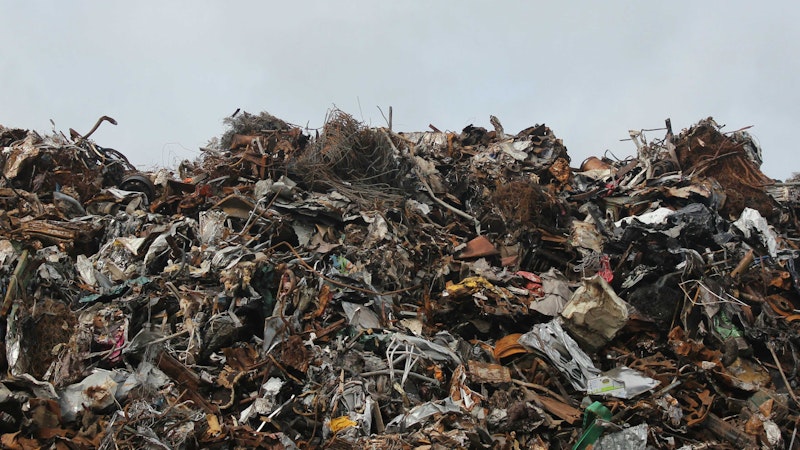
The UK Emissions Trading Scheme (ETS) is expanding to include Energy-from-Waste (EfW) and waste incineration facilities. This will include a voluntary Monitoring, Reporting and Verification (MRV) phase, starting in January 2026 and full inclusion possibly expected by 2028 (or possibly 2030 to align with the EU ETS scheme).
Incineration plants will have to pay for the carbon they release from burning fossil-based materials like plastics. This will make incineration more expensive. About half of the emissions from these plants come from fossil sources. A system called the Emissions Trading Scheme (ETS) is designed to encourage greener solutions, such as capturing carbon and improving recycling by investing in these technologies, so less waste ends up being burned.
For Recorra customers, this shift will likely increase the cost of incineration (general waste) and drive demand for low-carbon waste solutions. Energy-from-waste gate fees could increase by approximately 50 per cent when facilities are included in the UK Emissions Trading Scheme (ETS), according to a new report commissioned by SUEZ recycling and recovery UK.
Both local authorities and business waste collectors will see increased disposal costs passed through from EfW operators, prompting a reassessment of disposal routes. There will be a greater focus on reducing contamination and Recorra will continue to support our customers in improving the quality of their recycling. The ETS complements other policies like Extended Producer Responsibility (EPR) and landfill tax reform, reinforcing the need to divert waste from incineration and landfill.
General waste is going to get more expensive, so customers should consider exploring waste reduction, reuse initiatives, and additional recycling streams.

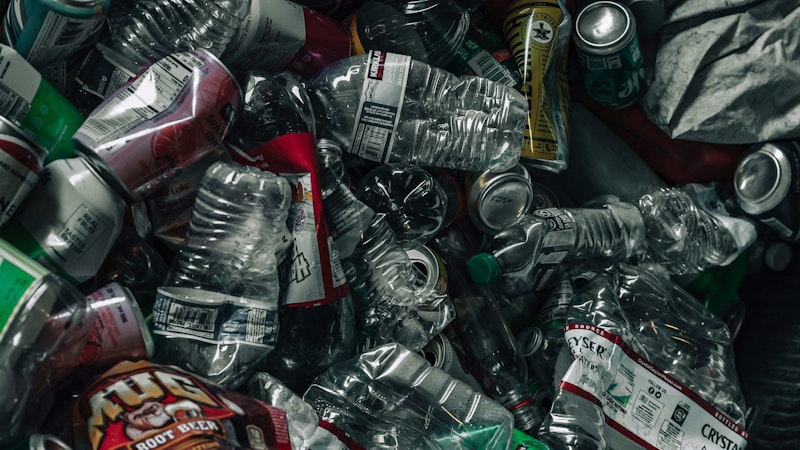
The UK Deposit Return Scheme (DRS), launching in October 2027, will apply to single-use drinks containers made of PET plastic, aluminium, and steel (150ml–3L). Consumers will pay a small deposit (likely around 20p) which is refunded upon return of the container via designated points or reverse vending machines. The scheme aims to boost recycling rates to 90%, reduce litter, and improve material quality for reprocessing. While glass is excluded in England, Scotland and Northern Ireland, it is included in Wales, creating regional variations. It is estimated that 70–75% of these containers are captured and recycled nationally. However, it is mainly the ‘on-the-go’ items – that are currently ending up as litter or residual waste – that the government wants to target to bring the recycling rate up.
Businesses selling or producing drinks in eligible containers will face new responsibilities, including applying deposits, managing returns, and updating packaging and reporting systems. Hospitality venues may be exempt from hosting return points but must still comply with collection requirements for eligible containers. Details of how the scheme will operate are still being decided. You can keep up to date on the UK DMO website.
Recorra customers in retail, foodservice, and logistics should prepare for infrastructure investments (e.g. reverse vending machines), operational changes, and customer engagement strategies. Recorra is putting together a ‘DRS & Reverse Vending Machine Guide’ to support customers.
One impact of this scheme is that the material mix within Mixed Recycling bins will change – resulting in fewer plastic bottles and cans, the most valuable materials within the mixed recycling stream. The direct impact of this will be reduced income for waste collectors. This will likely drive up the price of Mixed Recycling collections throughout the commercial waste industry, as waste companies will make less money from selling materials within mixed recycling, which currently offset the cost of collections.
Recorra is engaged in industry conversations with the Deposit Management Organisation on the scheme introduction.
As these policy changes take effect, the commercial waste sector will face a period of adjustment. Rising disposal costs, new regulatory obligations, and shifting recycling requirements mean that businesses must rethink how they manage waste. At Recorra, we are focused on providing practical solutions, whether through optimised recycling, waste reduction initiatives, or guidance on emerging schemes like the Deposit Return Scheme and ETS. By taking proactive steps now, businesses can not only mitigate costs but also strengthen their sustainability credentials and stay ahead in an increasingly regulated waste landscape.
Why does secure data destruction matter? Discover key UK GDPR rules, and how shredding and IT wiping can keep your business compliant and safe.
Explore how climate change and waste systems disproportionately affect women and girls, and highlights the women leading solutions through climate action and community initiatives.

Turn coffee grounds into liqueur, animal feed and eco fuel and boost recycling rates with smarter coffee waste solutions.
