
Confidential Waste Collection Explained: What Every Business Needs to Know

Every business handles sensitive information, from employee records and customer data to financial documents and digital devices. But while cybersecurity often takes centre stage, physical confidential waste is frequently overlooked. Improper disposal of sensitive materials can lead to data breaches, reputational damage, and regulatory penalties under UK GDPR and the Data Protection Act 2018.

Confidential waste collection helps businesses securely dispose of sensitive documents, hard drives, uniforms, and other materials through controlled collection, secure destruction, and responsible recycling. Whether you’re a small office or a large organisation, having the right processes in place is essential for protecting your data, maintaining compliance, and supporting sustainability goals.

In this guide, we’ll explain what confidential waste is, why secure disposal matters, how confidential waste collection works, and what to look for in a trusted provider.

What counts as confidential waste?

Confidential waste refers to any material that contains sensitive, private, or commercially valuable information that could cause harm if accessed by unauthorised individuals. Unlike general waste or standard recycling, confidential waste must be securely handled and disposed of to protect personal data, business information, and regulatory compliance.

While many businesses associate confidential waste with paper documents, it can include a range of materials, including:

  • Employee and HR records
  • Customer information and application forms
  • Financial documents and invoices
  • Contracts and legal paperwork
  • Medical or healthcare records
  • Hard drives, USBs, and IT equipment
  • Branded uniforms and ID cards
  • Promotional materials and product samples

If these materials are disposed of incorrectly, businesses risk data breaches, identity theft, reputational damage, and potential fines under UK GDPR and the Data Protection Act 2018. Secure confidential waste collection ensures sensitive materials are safely collected, destroyed, and responsibly recycled wherever possible.

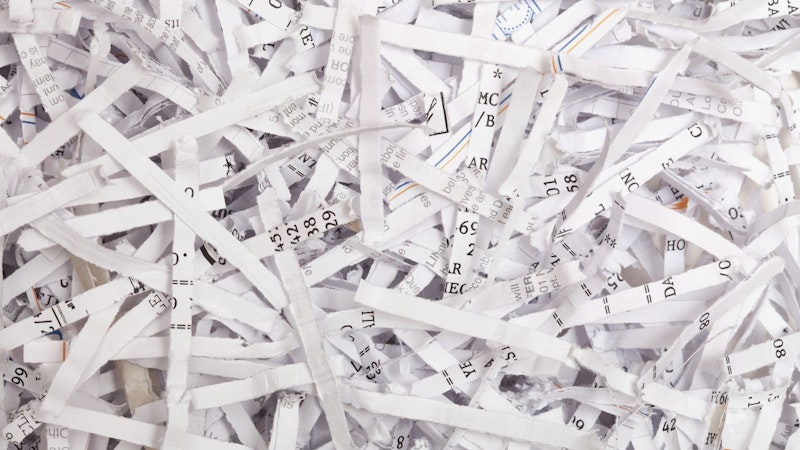
confidential waste collection

Why confidential waste disposal matters

Secure confidential waste disposal is about more than simply getting rid of unwanted materials. It plays a vital role in protecting your business, your customers, and your reputation. Improper disposal of sensitive waste can expose organisations to serious legal, financial, and operational risks.

Legal compliance and data protection

Under UK GDPR and the Data Protection Act 2018, businesses are responsible for securely handling and disposing of personal and sensitive information. Throwing confidential documents or data-bearing devices into general waste or recycling could result in data breaches, regulatory investigations, and significant fines.

Protecting your reputation

A single incident involving exposed customer or employee information can damage trust and harm your brand reputation. Secure confidential waste disposal helps businesses demonstrate that sensitive information is handled responsibly from collection through to destruction.

Reducing the risk of fraud and identity theft

Discarded paperwork, hard drives, and branded materials can all be exploited if they fall into the wrong hands. Secure destruction reduces the risk of confidential information being recovered or misused.

Supporting sustainability goals

Confidential waste doesn’t have to end up in landfill. Many confidential waste providers securely shred and recycle materials such as paper, textiles, and electronic waste. This helps businesses reduce environmental impact while maintaining compliance.

secure shredding

How confidential waste collection works

Confidential waste collection is designed to ensure sensitive materials are securely managed from disposal through to destruction and recycling. While services can vary depending on the provider, the process typically includes:

  • Secure on-site storage: Confidential waste is placed into locked bins, consoles, or secure sacks to prevent unauthorised access before collection.
  • Scheduled or one-off collections: Businesses can arrange regular collections based on the volume of waste they produce, or book one-off clearances for office moves, archive purges, or IT disposal projects.
  • Secure transportation: Waste is collected and transported by trained personnel using secure vehicles, helping maintain a clear chain of custody and reducing the risk of loss or theft.
  • Confidential destruction: Materials are securely destroyed using industrial shredding or specialist data destruction processes, including paper shredding and hard drive destruction.
  • Recycling and recovery: Once destroyed, materials such as paper, textiles, and electronic components can often be recycled, helping businesses support sustainability and ESG goals while maintaining compliance.

On-site vs off-site confidential shredding: Which is right for your business?

Both on-site and off-site shredding provide secure methods for destroying confidential waste, but the right choice depends on your organisation’s security requirements, operational needs, and waste volumes.

On-site secure shredding

On-site shredding takes place at your premises, allowing you to witness the destruction of sensitive materials in real time. This option is preferred by organisations handling highly confidential or regulated information, where immediate destruction and full visibility of the process are important.

Off-site secure shredding

Off-site shredding involves securely transporting waste to a dedicated facility where it is destroyed under controlled conditions. This is typically a more cost-effective and scalable solution, particularly for businesses that generate larger or ongoing volumes of confidential waste.

Both options should maintain a strict chain of custody from collection through to destruction, with secure transport and trained personnel handling the materials at every stage. In both cases, businesses should also receive certification confirming secure destruction, supporting compliance and audit requirements.

Ultimately, the right choice comes down to balancing security needs with cost, convenience, and the frequency of your confidential waste collection.

confidential waste

How to choose a secure and compliant confidential waste provider

Choosing the right confidential waste collection provider is essential for protecting sensitive information and staying compliant with data protection laws. A reliable partner should offer secure, traceable, and fully auditable disposal from collection through to destruction.

When comparing providers, look for:

  • Compliance standards: UK GDPR alignment, BS EN 15713 secure destruction, and BS 7858 vetted staff
  • Chain of custody: Secure, documented handling from collection to final destruction
  • Certificate of Destruction: Proof that waste has been securely destroyed for audit purposes
  • Flexible services: Secure storage, scheduled or ad-hoc collections, and handling of paper, IT, and textile waste
  • Clear reporting: Simple tracking and documentation to support compliance and ESG reporting

Many businesses also make avoidable mistakes when managing confidential waste, including:

  • Using unsecured or open bins for sensitive documents
  • Disposing of confidential materials in general recycling streams
  • Failing to train staff on correct disposal procedures
  • Allowing waste to accumulate for too long before collection
  • Not having a consistent, organisation-wide disposal process

A strong provider will help you avoid these risks by embedding secure processes into everyday operations, supporting staff training, and ensuring all materials are destroyed and recycled responsibly wherever possible.

The role of confidential waste collection is ESG and sustainability

Confidential waste collection supports ESG goals by combining secure data destruction with responsible environmental practices.

Key benefits include:

  • Higher recycling rates: Paper, textiles, and other materials are recovered instead of going to landfill
  • Supports the circular economy: Reprocessed materials are turned into new products
  • Lower environmental impact: More efficient collection and processing reduce waste emissions
  • Better ESG reporting: Provides clear data and documentation for sustainability reporting
  • Responsible IT disposal: Ensures electronic waste is securely destroyed and recycled where possible

Overall, it helps businesses protect sensitive information while improving sustainability performance.

Take control of your confidential waste today

Protect sensitive data, stay compliant with UK GDPR, and streamline disposal with secure, certified confidential waste collection tailored to your business needs.

Protect your data, reputation, and compliance

Confidential waste management is more than an operational task. It’s a critical part of protecting your business, your customers, and your reputation. From regulatory compliance and data security to sustainability and ESG performance, having the right processes in place helps you reduce risk and operate with confidence.

Whether you’re dealing with paper records, digital media, or specialised waste streams, working with a trusted confidential waste collection provider ensures everything is collected, destroyed, and recycled securely and responsibly.

At Recorra, we help businesses take the stress out of confidential waste management with secure collection services, certified destruction, and transparent reporting that supports compliance and sustainability goals.

If you’re ready to improve your confidential waste collection processes, get in touch with Recorra to find the right solution for your business.