Confidential Waste Collection in Hospitality: From Guest Records to Staff Documents

From hotel reception desks to restaurant offices, hospitality businesses handle a constant flow of sensitive information. Guest booking details, employee records, financial documents, customer correspondence, and internal paperwork can all contain information that shouldn’t simply be placed in a general waste or recycling bin.

With multiple departments, high staff turnover, and busy day-to-day operations, managing confidential waste securely can be challenging. A clear confidential waste collection process helps hospitality businesses protect personal and commercially sensitive information while ensuring documents are disposed of responsibly.

In this guide, we’ll look at what counts as confidential waste in hospitality, where it is commonly generated, why secure collection matters, and how the collection and destruction process works. We’ll also explore other items that may require secure destruction and what to look for when choosing a confidential waste collection provider.

What counts as confidential waste in hospitality?

Confidential waste is any material that contains personal, sensitive, or commercially valuable information that shouldn’t be accessible to unauthorised people. In hospitality, this can extend far beyond paperwork kept in an office. Hotels, restaurants, pubs, and other hospitality businesses handle confidential information across a wide range of departments and daily activities.

Examples of confidential waste can include:

  • Guest records: Booking details, registration forms, contact information, copies of identification, and other documents containing guest data.
  • Employee records: Staff files, recruitment documents, payroll information, performance records, and other HR paperwork.
  • Financial documents: Invoices, receipts, payment records, financial reports, and supplier information.
  • Customer correspondence: Complaints, feedback, emails, and other documents that contain personal details.
  • Business information: Contracts, management reports, internal communications, and commercially sensitive documents.
  • Operational records: Printed schedules, lists, and other paperwork that may contain personal or business information.

The important point is that a document doesn’t need to contain highly sensitive information to require careful disposal. If it includes information that could identify an individual, reveal confidential business information or cause harm if accessed by the wrong person, it should be handled securely when it reaches the end of its retention period.

For hospitality businesses, having clearly designated confidential waste containers can make it easier for employees to separate these materials from general waste and recycling at the point of disposal.

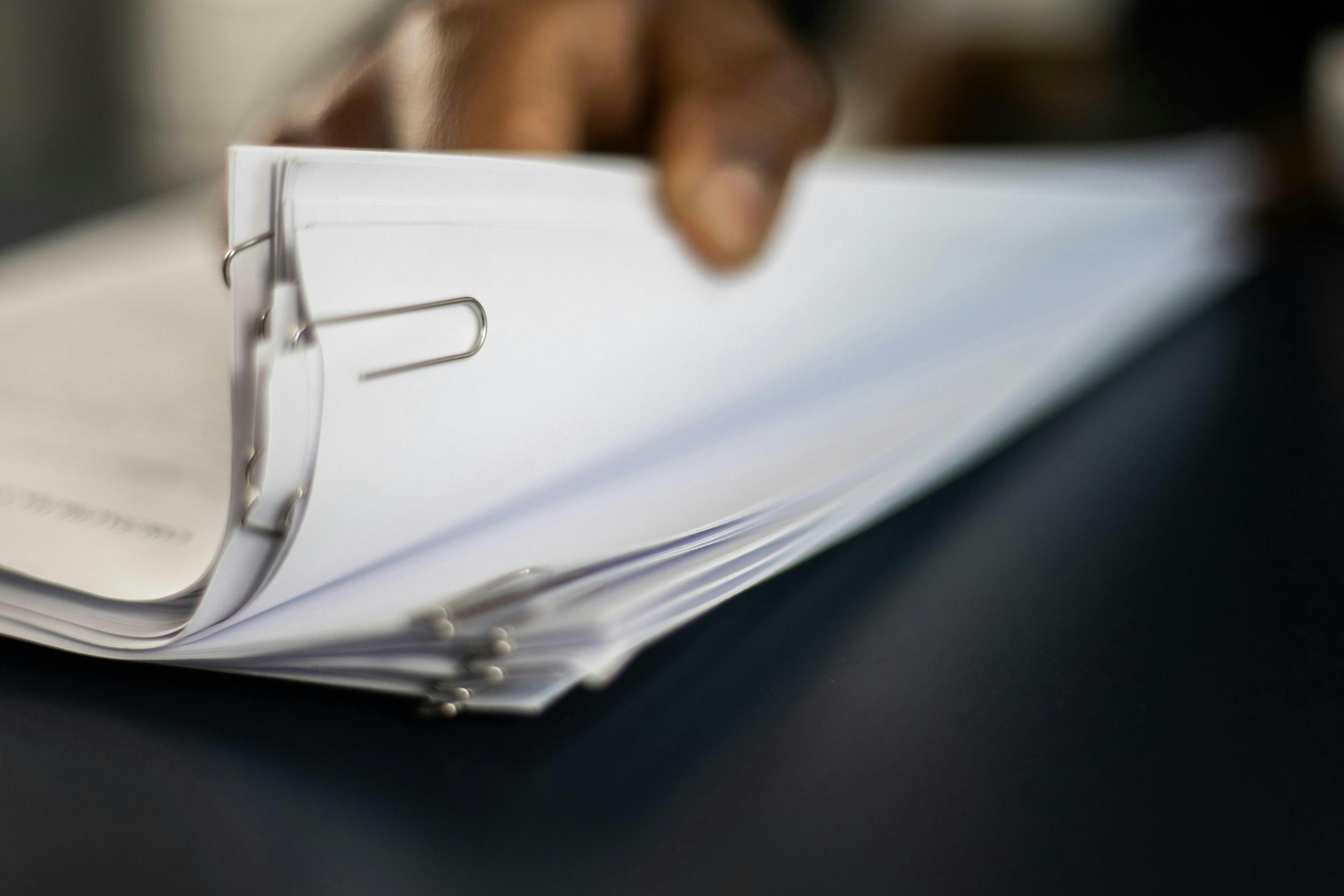
Pile of untidy yellow lever arches and paper being held up by a man.

Why secure confidential waste collection matters

Hospitality businesses handle large amounts of personal and commercially sensitive information every day. If confidential documents are disposed of incorrectly, that information could be accessed by unauthorised people, creating privacy, security, and reputational risks.

Protecting guest and employee information

Secure disposal helps prevent personal information from being exposed after it is no longer needed. This is particularly important for documents relating to guests, employees, and customers.

Reducing the risk of data breaches

Putting confidential paperwork into an open waste or recycling bin can leave it vulnerable to being seen or removed. Secure collection and destruction provides greater control over how information is handled once it has reached the end of its retention period.

Supporting data protection responsibilities

UK GDPR and the Data Protection Act 2018 require organisations to take appropriate measures when handling personal data, including when it is being disposed of. Secure confidential waste processes can form an important part of a business’s wider data protection procedures.

Protecting your reputation

Trust is particularly important in hospitality. Guests expect their personal information to be handled responsibly, and a failure to protect it can damage confidence in your business. A secure confidential waste collection process helps demonstrate that information is treated with the care it deserves.

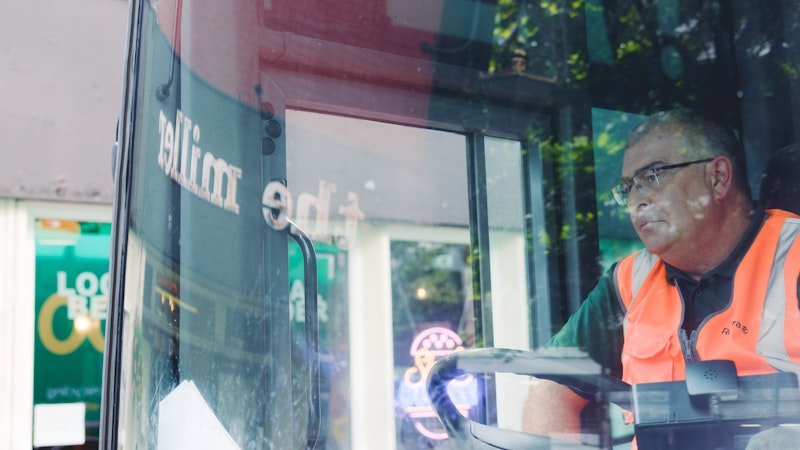
Recorra confidential waste disposal driver in the cab of a box vehicle doing a route of collections.

How does confidential waste collection work?

A secure confidential waste collection process gives hospitality businesses a controlled way to dispose of sensitive information from the moment it is discarded to its final destruction.

  1. Separate confidential waste: Staff place confidential documents into dedicated, secure waste containers rather than general waste or recycling. Clear procedures make it easier for employees to dispose of information correctly.
  2. Secure collection: The confidential waste is collected on a scheduled or one-off basis, depending on the needs of the business. For hospitality groups, collections can also be arranged across multiple sites.
  3. Secure destruction: Collected materials are transported for secure destruction, ensuring the information they contain can no longer be accessed or reconstructed. Depending on the service, destruction can take place on or off site.
  4. Recycling and documentation: Once destroyed, suitable materials can be recycled. Businesses can also receive documentation such as a Certificate of Destruction, providing a record that confidential information has been securely disposed of.

A well-managed process means confidential waste doesn’t simply disappear into the general waste stream. It is handled securely from collection through to destruction and recycling.

Beyond documents: What else should hospitality businesses securely destroy?

Confidential waste isn’t limited to paper. Hospitality businesses also handle physical items and electronic equipment that can contain sensitive information or identify the organisation.

  • Hard drives and IT equipment: Computers, laptops, hard drives, and other storage devices can contain guest, employee, and business data. Secure destruction can help prevent this information from being recovered.
  • Staff uniforms and ID cards: Old uniforms, name badges, and staff ID cards could potentially be misused to impersonate employees or gain access to restricted areas. Secure destruction helps prevent them from falling into the wrong hands.
  • Branded materials: Headed paper, membership cards, access cards, and other branded items can also pose a security risk if they’re simply thrown away or left in circulation.

By considering these items alongside paper records, hospitality businesses can take a more comprehensive approach to confidential waste and protect their information, people, and brand.

Keep confidential waste out of the wrong hands

From guest records to staff documents, make secure confidential waste disposal one less thing to worry about. Get a fast, tailored quote from Recorra today.

Choosing a confidential waste collection provider

Choosing the right confidential waste collection provider is an important part of keeping guest, employee, and business information secure. Hospitality businesses should look for a provider that can offer secure collection, reliable destruction, and clear documentation, while fitting around the demands of busy hospitality environments.

Recorra provides confidential waste collection services designed to help businesses securely manage sensitive information. From regular and one-off collections to on-site and off-site shredding, Recorra can support hospitality businesses with a secure and consistent approach to confidential waste.

Its services can also extend beyond paper documents to items such as hard drives, IT equipment, uniforms, and branded materials, helping businesses manage different types of confidential waste through one provider.

For hospitality groups operating across multiple locations, having a reliable collection process can make it easier to maintain consistent security standards across every site. With secure collection and destruction, along with documentation such as Certificates of Destruction, Recorra can help give hospitality businesses greater confidence that their confidential waste is being handled responsibly.

If your hotel, restaurant, or hospitality business needs a secure way to manage confidential waste, get in touch with Recorra to discuss your collection requirements.