Dry Mixed Recycling vs General Waste: Which Option Saves Businesses More Money?

Managing business waste effectively is not just about meeting sustainability goals. It can also have a significant impact on your operating costs. Many businesses rely heavily on general waste collections without realising that recyclable materials placed in the wrong bin can increase disposal costs and reduce recycling opportunities.

Dry mixed recycling (DMR) offers a simpler way for businesses to separate valuable recyclable materials, helping to reduce the amount of waste sent for disposal. By diverting items such as paper, cardboard, plastics, and cans away from general waste, businesses can lower waste volumes, improve recycling rates, and create a more cost-effective waste management system.

But which option saves businesses more money: dry mixed recycling or general waste? In this guide, we’ll compare the two waste streams, explore why general waste typically costs more, and explain how choosing the right recycling approach can help businesses reduce costs while supporting their sustainability commitments.

What is the difference between dry mixed recycling and general waste?

Understanding the difference between dry mixed recycling and general waste is the first step towards reducing waste costs. While both waste streams are collected from businesses, they are processed differently and have a very different impact on recycling rates, disposal costs, and sustainability performance.

What is dry mixed recycling?

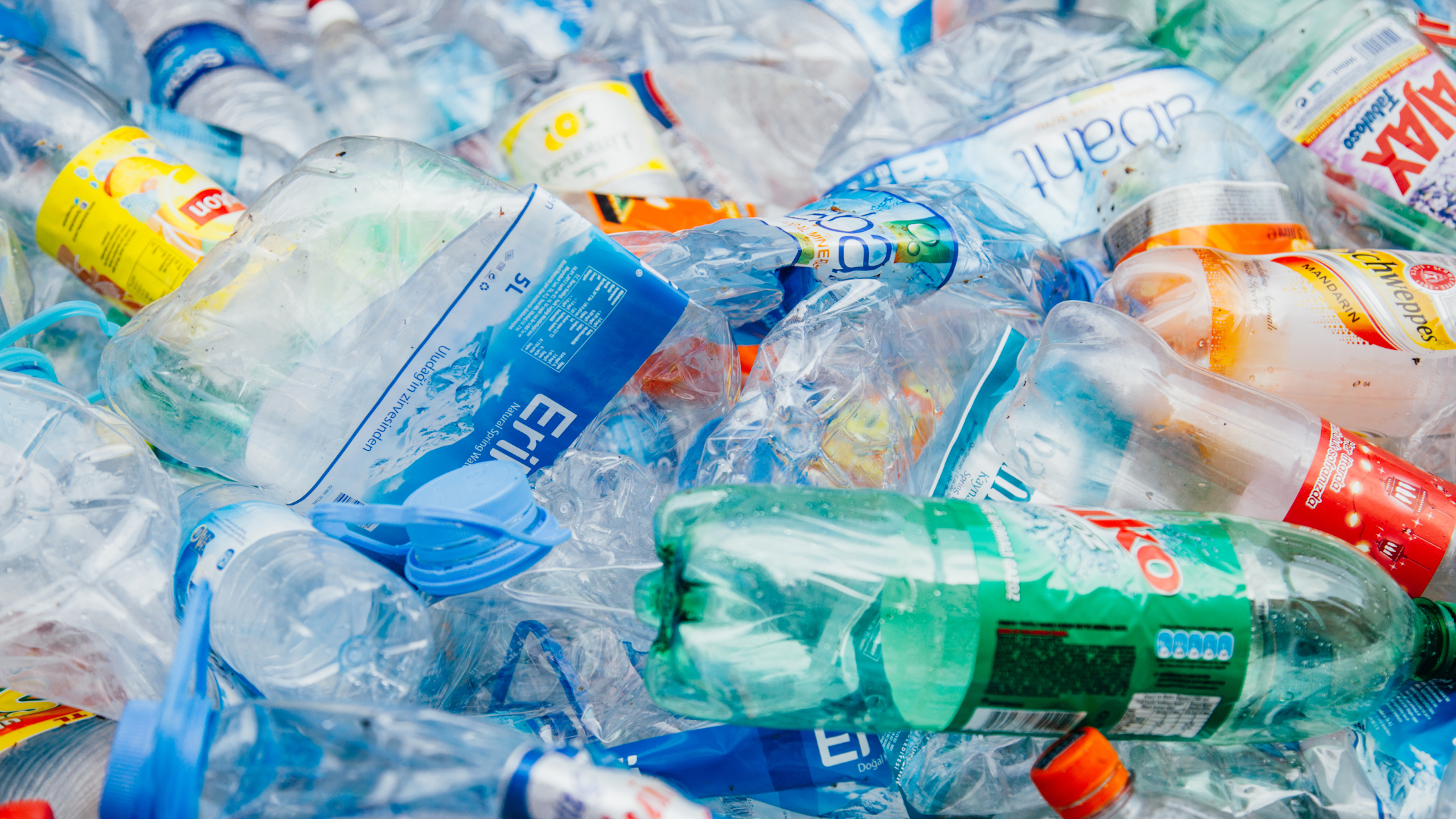
Dry mixed recycling is a waste stream that allows businesses to collect several recyclable materials together in one bin. These materials are then sorted at a recycling facility to separate and process them for reuse.

Common items accepted in DMR include:

  • Paper and cardboard
  • Plastic bottles, tubs, and containers
  • Metal cans and tins
  • Food and drink cartons

By combining recyclable materials into one collection stream, DMR makes recycling easier for employees and helps businesses divert more waste away from disposal.

What is general waste?

General waste is any waste that cannot currently be recycled through standard recycling systems. It is typically sent for energy recovery or disposal, meaning valuable materials are lost instead of being recovered.

Examples of general waste include:

  • Food-contaminated packaging
  • Tissues and paper towels
  • Polystyrene
  • Non-recyclable plastics
  • Mixed-material items that cannot be separated

The key difference between DMR and general waste

The main difference is what happens to the materials after collection. Dry mixed recycling is processed to recover recyclable materials, while general waste is treated as waste with limited opportunities for recovery.

For businesses, choosing the right balance between these waste streams can help reduce disposal costs, improve recycling performance, and support environmental goals.

dry mixed recycling

Why general waste is more expensive

General waste is typically the most expensive waste stream for businesses because it requires more costly disposal methods and contains materials that could otherwise be recycled.

Key reasons include:

  • Higher treatment costs: General waste is often sent for energy recovery or disposal, which costs more than recycling materials that can be recovered or reused.
  • Lost recycling opportunities: Paper, cardboard, plastics, and metals placed in general waste cannot be recovered. This increases disposal costs and reduces recycling rates.
  • More waste collections: Businesses producing high volumes of general waste may need larger bins or more frequent collections, increasing overall waste management costs.

By reducing the amount of waste sent to general waste and increasing dry mixed recycling, businesses can lower costs while improving their sustainability performance.

How dry mixed recycling can reduce business waste costs

Dry mixed recycling can help businesses reduce waste costs by diverting recyclable materials away from expensive general waste disposal routes. By separating materials such as paper, cardboard, plastics, and metals, businesses can reduce the volume of waste that requires treatment or disposal.

Key ways DMR can save businesses money include:

  • Reducing general waste volumes: Less waste in general waste bins can mean fewer collections, smaller containers, and lower disposal costs.
  • Improving recycling efficiency: Collecting multiple recyclable materials together makes recycling easier for employees and helps businesses recover more materials.
  • Avoiding unnecessary disposal fees: Materials that could be recycled do not need to be paid for as general waste.
  • Supporting long-term cost control: A more efficient recycling system helps businesses manage waste more effectively as regulations and disposal costs change.

By making dry mixed recycling part of their waste strategy, businesses can reduce costs while increasing the amount of waste they divert from disposal.

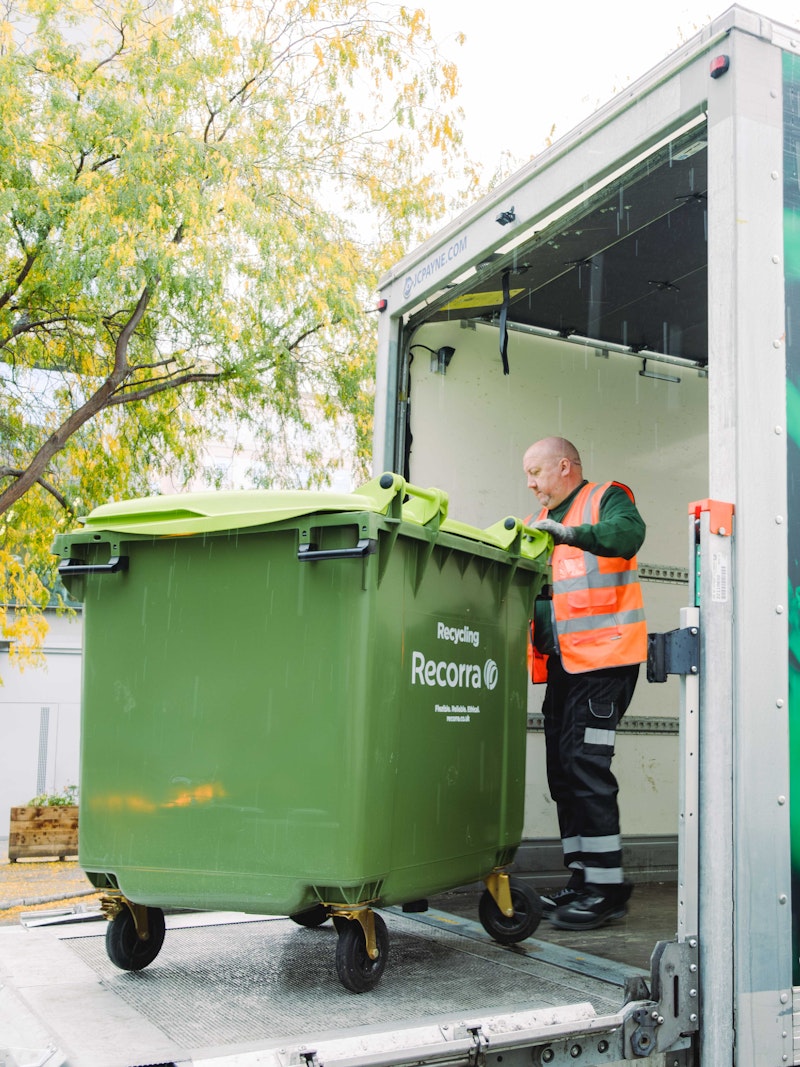
dry mixed recycling collection

Avoiding contamination to maximise savings

Keeping dry mixed recycling free from contamination is essential for businesses that want to achieve the greatest cost savings. When non-recyclable items or incorrect materials are placed in recycling bins, they can reduce the quality of recyclable materials and increase processing costs.

Ways businesses can reduce contamination include:

  • Clear recycling signage: Make sure employees know exactly what can and cannot be placed in DMR bins.
  • Staff awareness: Regular reminders and training can help prevent common recycling mistakes.
  • Keep recycling clean and dry: Food residue, liquids, and contaminated packaging can affect the quality of recyclable materials.
  • Review waste streams regularly: Monitoring what ends up in recycling bins can help identify problems and improve recycling performance.

By reducing contamination, businesses can maximise the value of their recycling, avoid unnecessary disposal costs, and ensure more materials are successfully recovered.

Meeting Simpler Recycling requirements

As waste regulations continue to change, businesses need to take a closer look at how they separate and manage recyclable materials. The introduction of Simpler Recycling requirements means that more organisations will need to ensure recyclable waste streams are separated effectively, rather than relying on general waste disposal.

Preparing your business for changing waste regulations

Dry mixed recycling can help businesses adapt by providing a simple way to collect commonly recycled materials, such as paper, cardboard, plastics, and metals. By improving recycling practices now, businesses can reduce the amount of waste sent for disposal, support compliance, and avoid unnecessary costs as requirements become stricter.

A well-managed recycling system also makes it easier for employees to dispose of waste correctly, helping improve recycling rates while supporting wider sustainability goals.

Ready to reduce your business waste costs?

Find out how much your business could save with a smarter recycling solution. Get an instant quote for dry mixed recycling and take the first step towards lower waste costs and improved sustainability.

Why dry mixed recycling collection is the smarter choice for businesses

For businesses looking to reduce waste costs, improve recycling rates, and prepare for changing waste requirements, dry mixed recycling offers a practical and effective solution. By diverting recyclable materials away from general waste, businesses can reduce disposal volumes, make better use of resources, and create a more efficient waste management system.

While general waste remains an essential waste stream for materials that cannot be recycled, it should not be the default option for items that could be recovered. A well-managed DMR system can help businesses lower costs, support sustainability targets, and make recycling easier for employees.

Recorra can help your business review its current waste setup and find the right recycling solution for your needs. From collection services to expert advice on improving recycling performance, our team can help you reduce waste and maximise the value of your recyclable materials.

Get in touch with Recorra today to discover how dry mixed recycling can help your business save money and improve its environmental impact.