Flexible Plastics Collections Delayed Until 2030: What it Means for Businesses

The Government has delayed the mandatory collection of flexible plastics under Simpler Recycling legislation in England from 31 March 2027 to 1 April 2030. The decision was made due to concerns around the collection, sorting, and reprocessing infrastructure needed to support flexible plastic recycling at a national scale. While the delay provides additional time for local authorities and the recycling industry to prepare, it does not remove the need to manage flexible plastics responsibly today.

At Recorra, we believe businesses should have access to transparent recycling solutions for all types of waste and recycling, including those that are traditionally difficult to recycle. So, what does this latest announcement mean for your organisation, and should businesses wait until 2030 before taking action?

What is Simpler Recycling?

Simpler Recycling is a government reform designed to make recycling collections more consistent across England. The aim is to reduce confusion, improve recycling rates, and ensure that businesses and households can recycle the same core materials regardless of their location.

For businesses, Simpler Recycling introduces requirements to separate key types of waste, helping to improve the quality of recyclable materials and reduce contamination. To be compliant, businesses must:

  • Segregate food waste for recycling
  • Recycle glass (if applicable)
  • Recycle paper, cardboard, cans, plastics, and cartons (these can be collected together as mixed recycling)

This legislation came into force for all businesses with 10 or more employees on 31 March 2025. Businesses with fewer than 10 employees have until 31 March 2027 to comply.

What has Changed and Why?

Flexible plastics were due to become part of mandatory collections under Simpler Recycling from 31 March 2027. That deadline has now been pushed back to 1 April 2030. Businesses’ existing obligations under Simpler Recycling have not changed.

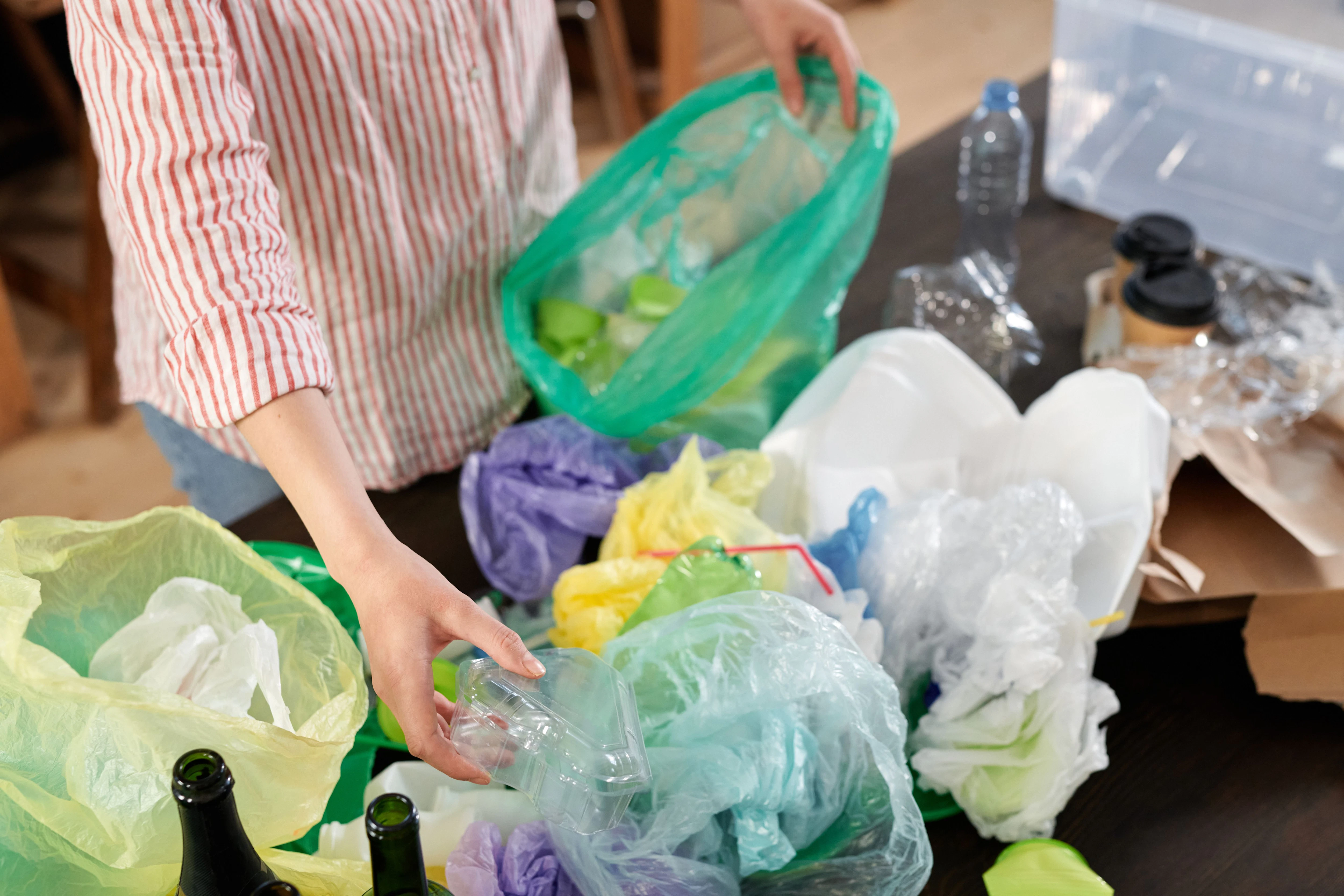
Flexible plastics, sometimes known as soft plastics, include materials such as plastic film, carrier bags, bread bags, bubble wrap, cling film, crisp packets, and sweet wrappers. These materials are widely used across workplaces because they are lightweight, durable, and versatile. However, they are also incredibly challenging to recycle.

The delay reflects concerns that the UK’s recycling infrastructure is not yet ready to process the volume of material mandatory collections would generate. Industry bodies and local authorities have highlighted challenges around collection systems, sorting capacity, domestic reprocessing infrastructure, and end markets for recycled flexible plastics. The Government has therefore decided that additional time is needed before collections become mandatory nationwide.

What Does This Mean for Businesses?

Changes to environmental legislation can create uncertainty, particularly for organisations planning future waste and recycling services. However, the delay does not mean businesses need to wait until 2030 to recycle flexible plastics.

For businesses that have already invested in recycling initiatives or established sustainability targets, the delay should not be viewed as a reason to pause progress. Instead, it provides additional time to develop effective recycling systems, engage employees, and identify the right solutions for difficult-to-recycle materials before future requirements come into force.

For businesses looking to reduce waste, support circular economy principles, and prepare for future regulatory changes, there are already viable recycling solutions available today.

Why Should Businesses Recycle Flexible Plastics Now?

Many organisations have sustainability goals that go beyond minimum compliance requirements. Whether driven by ESG commitments, environmental policies, customer expectations, or internal sustainability targets, businesses are increasingly looking for ways to reduce waste and improve resource recovery.

Flexible plastics represent a significant amount of the packaging used by businesses every day, yet, without a dedicated recycling route, they often end up in general waste. The delay in legislation does not change the environmental impact of these materials, nor does it reduce the importance of keeping valuable resources in circulation wherever possible.

By implementing a flexible plastics recycling solution now, organisations can stay ahead of future legislation while supporting the development of recycling infrastructure and end markets for these challenging materials, ensuring businesses are well prepared when mandatory collections are eventually introduced.

How Recorra can Support your Business to Recycle Flexible Plastics Now

Many organisations are choosing to recycle flexible plastics now rather than waiting for legislation to catch up.

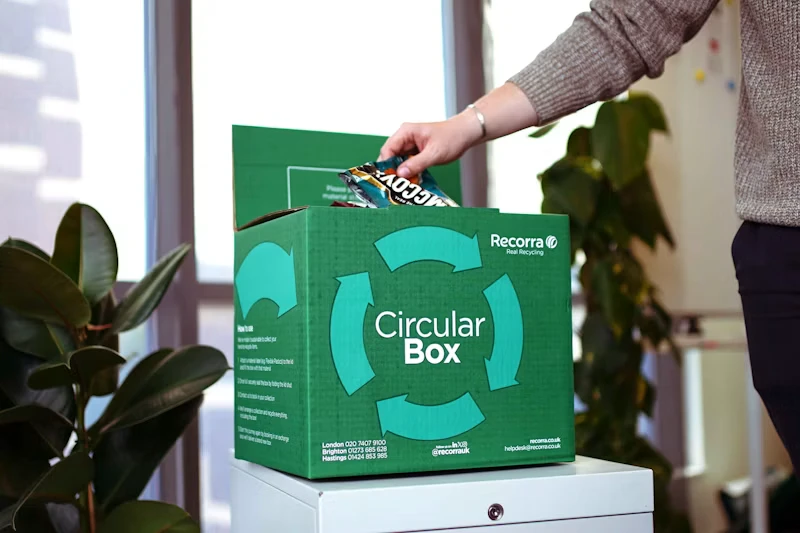
Recorra’s Circular Box provides businesses with a practical solution for collecting and recycling flexible plastics, alongside other hard-to-recycle workplace materials. The service is designed to make recycling niche waste streams simple and accessible, helping organisations capture materials that might otherwise be missed.

By providing a dedicated collection route for flexible plastics, the Circular Box helps businesses divert more material from general waste and improve resource recovery across their operations. It offers a simple way to support sustainability objectives while taking action on a type of waste that has traditionally been difficult to recycle.

For businesses, this means there is no need to wait until 2030 to start managing flexible plastics more responsibly. By implementing a flexible plastics recycling solution today, organisations can take meaningful action now while preparing for future legislative requirements.

Looking for Flexible Plastic Recycling for Your Business?

Get a flexible plastic recycling service tailored to your business. Our expert team will help you recycle more, waste less, and achieve your sustainability targets with a hassle-free collection service.