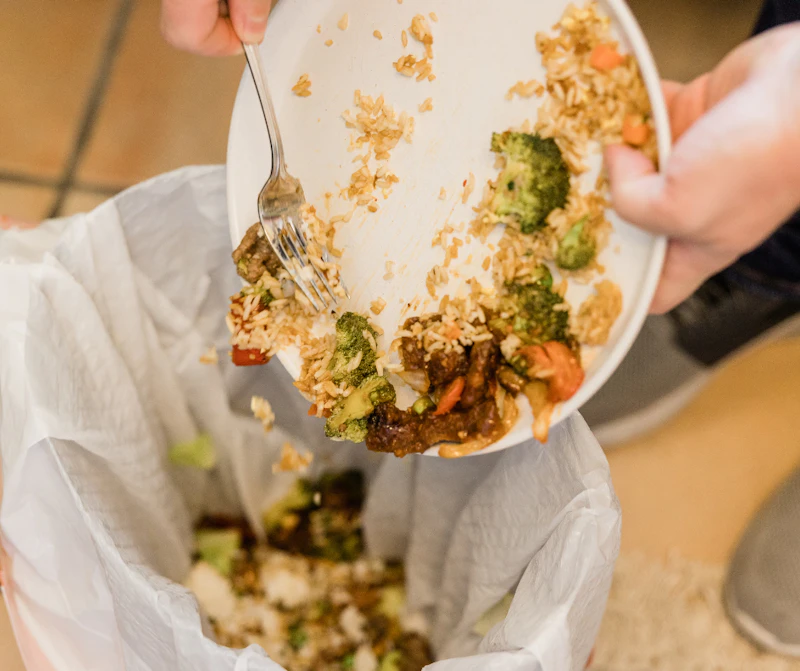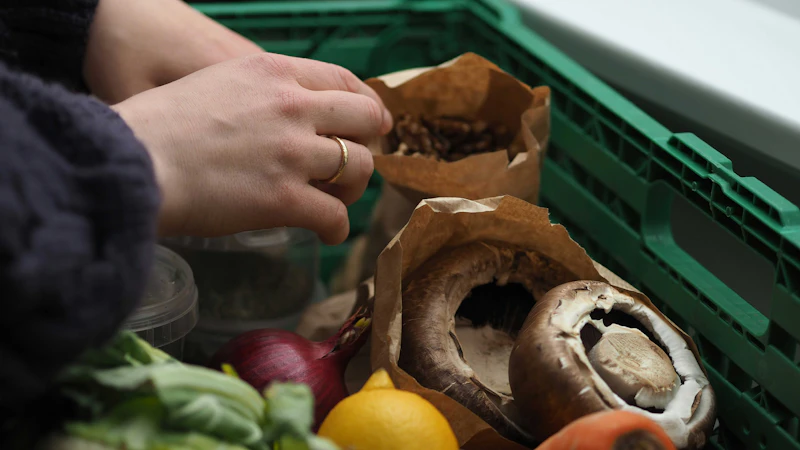
Every business produces waste, but for businesses that prepare, serve or sell food, food waste can make up a significant part of the waste stream. From food preparation scraps and coffee grounds to uneaten meals and spoiled stock, what is thrown away doesn’t necessarily have to go to waste.
With the right food waste collection service, businesses can separate food waste from other materials and send it for specialist treatment. Rather than simply disposing of it, this process can help recover valuable resources, including energy, while supporting more sustainable waste management.
But what exactly happens to food waste after it leaves your premises, and how can businesses make sure they are managing it effectively? In this guide, we explore how food waste collection works, why it matters for businesses and how turning food waste into a resource can benefit both your business and the environment.
What is food waste collection?
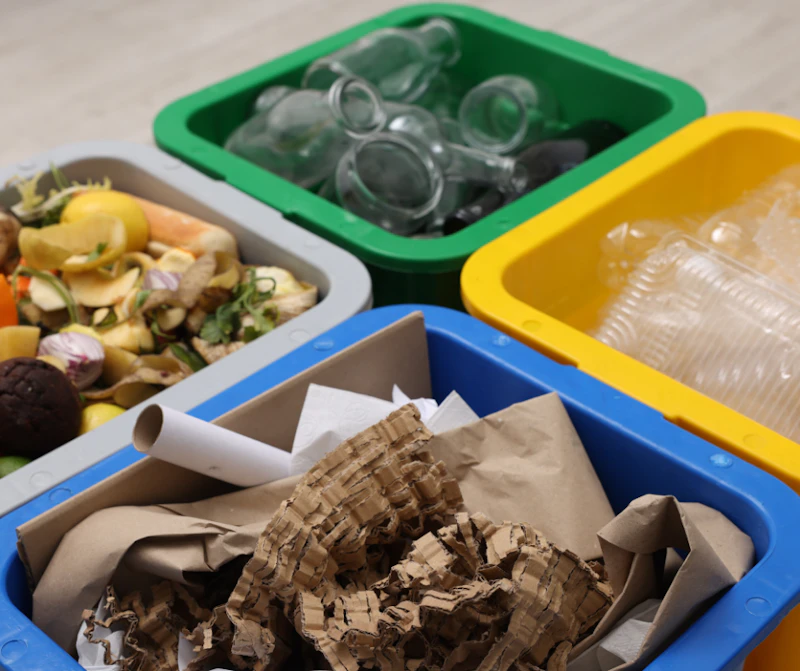
Food waste collection is the process of separating food and organic waste from a business’s general waste so it can be collected and treated separately. Businesses can use dedicated food waste bins, caddies or sacks to keep food waste away from other materials.
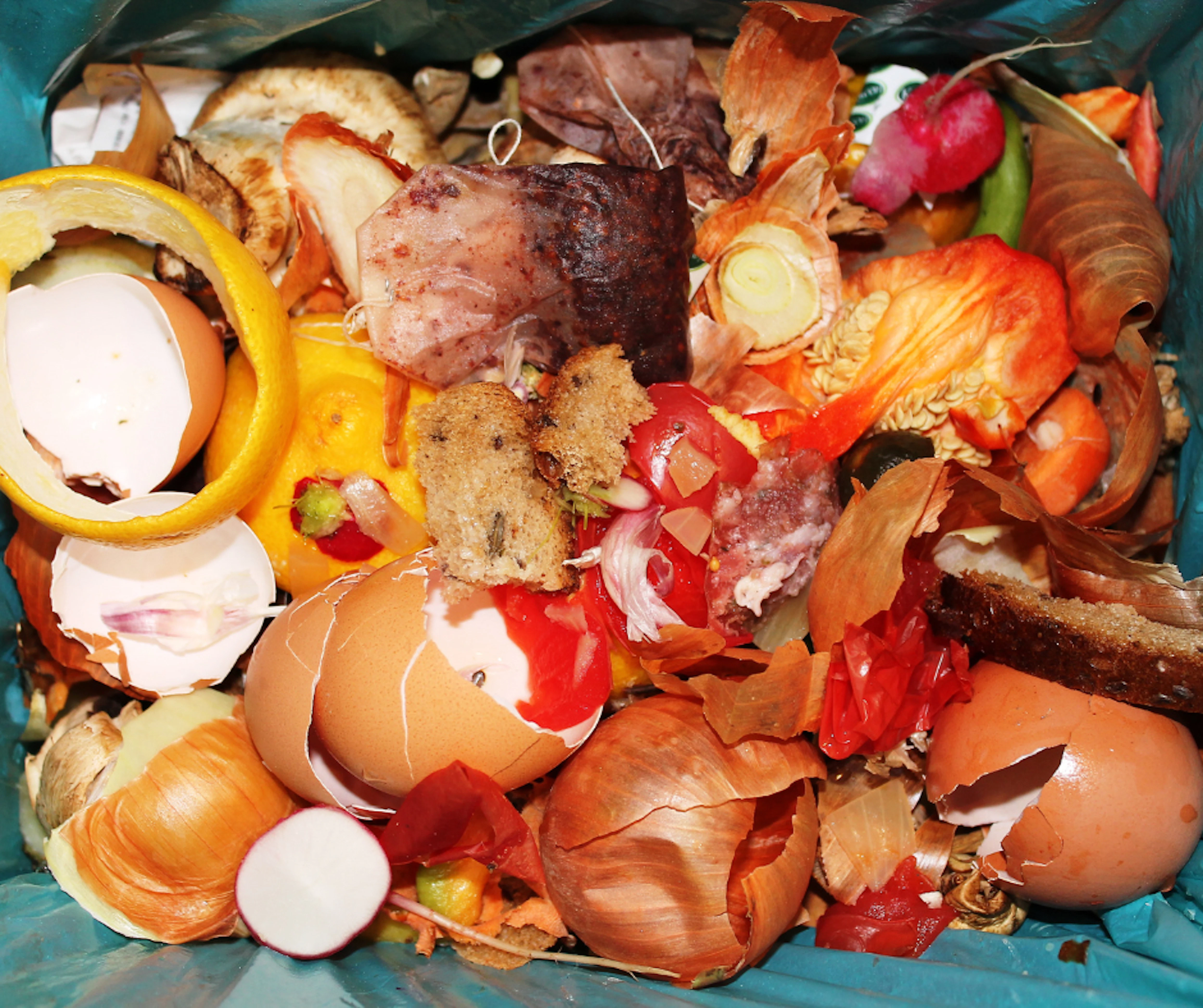
This can include fruit and vegetable peelings, meat and fish, bones, dairy products, bread, tea bags and coffee grounds. Once collected, food waste can be sent to specialist facilities for treatment, such as anaerobic digestion, which can produce biogas for energy and nutrient-rich digestate.
Food waste collection gives businesses a more sustainable way to manage organic waste while helping to recover valuable resources from materials that might otherwise be disposed of as general waste.