Tackling Food Waste
We can’t control all sources of methane, but food waste is one we can influence – and it’s something everyone can help reduce.
Anaerobic Digestion
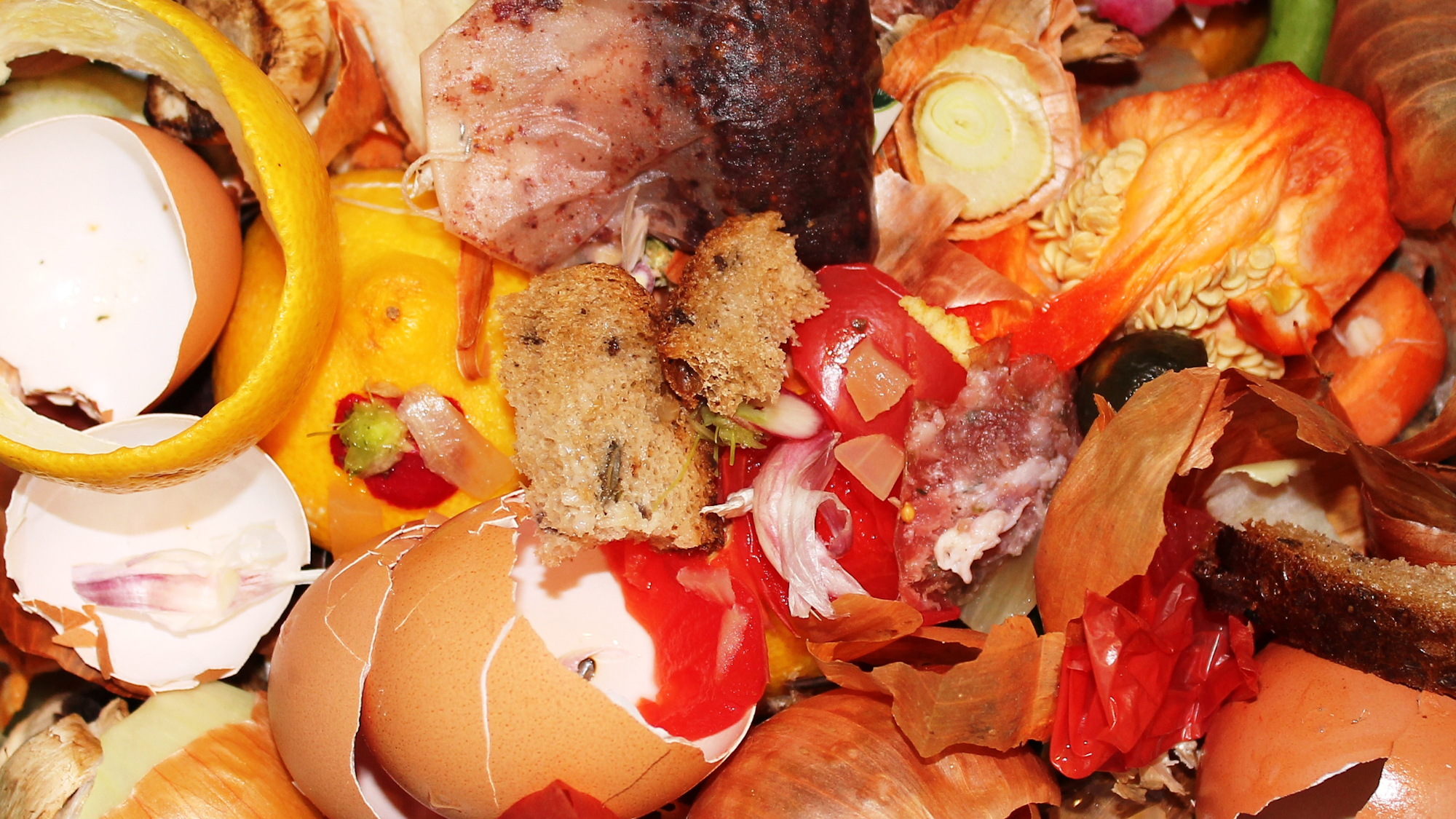
Anaerobic digestion takes place when organic (food) waste is broken down without oxygen being present in a controlled and stored process. Food is placed into a digester and broken down to produce biogas – a mix of methane, carbon dioxide, a small volume of hydrogen sulphide, and water vapour – which can be used in energy generation. Depending on size, commercial digesters can power communities for up to 250 hours. Uptake of biogas is slow, but with government support and community engagement, biogas has the potential to accelerate decarbonisation whilst dealing with food waste.
Fertiliser Production
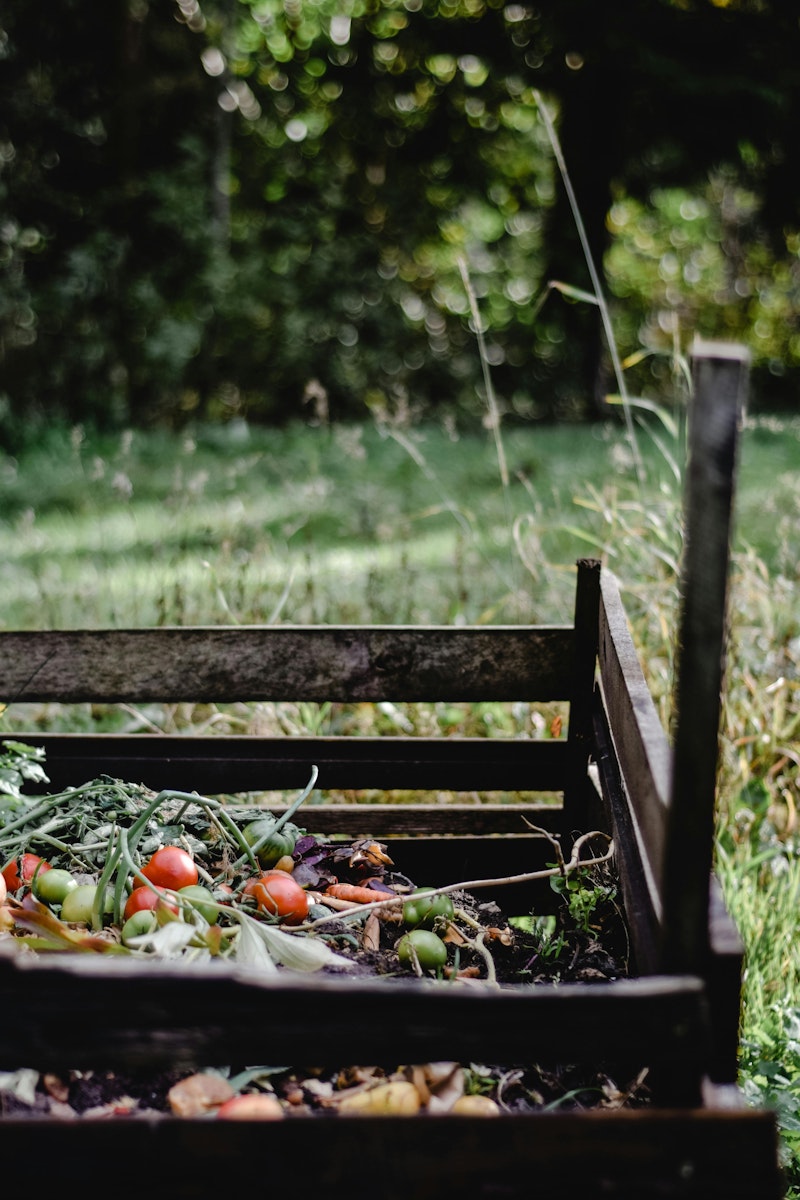
Another way to tackle food waste is by transforming it into nutrient rich fertiliser. These fertilisers enrich soil by improving soil health which in turn is good for plants and can reduce the dependence of UK farming on chemical fertilisers.
Chemical fertilisers are problematic because they cause water pollution when they leach into groundwater. In bodies of water, the excess nitrogen and phosphorus from runoff can increase algae and bacterial blooms which deplete oxygen resources leading to dead zones. The production of chemical fertilisers release greenhouse gas emissions like carbon dioxide, as well as other harmful chemicals like ammonia and nitrogen oxides which are harmful to human health.
So, recycling food waste by turning it into compost can result in multiple benefits beyond just improving soil health.