Highly Charged: Battery and Vape Recycling Explained

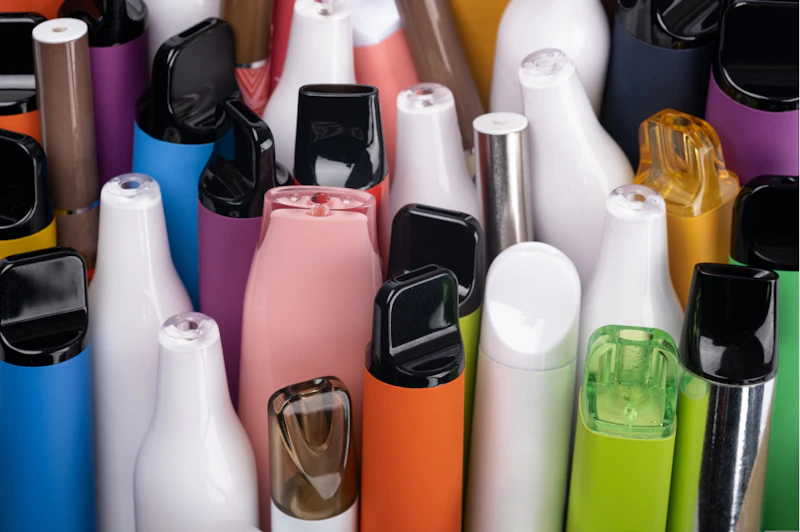
As of June 2025, the UK government banned all single-use disposable vapes nationwide. However, businesses have been able to continue selling de facto disposable vapes under the guise of being “rechargeable”. The addition of a small charging port has been enough to dodge the definition of “single-use”, while chargers and refillable pods needed for continued use are often difficult to access. 

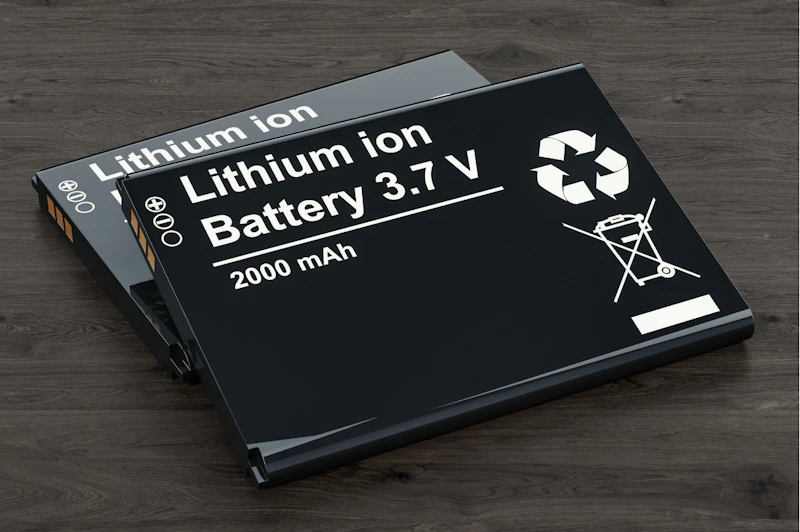
Why does this matter? Vapes contain lithium-ion batteries which, if disposed of incorrectly, pose a significant environmental and fire hazard. 

Whether they’re in vapes, phones, tablets, or laptops, batteries are classified as electrical waste (WEEE) and must be disposed of separately from other waste. Here, we explore why.

Why Do Batteries and Vapes Need a Dedicated Collection Service?

Batteries and vapes are a fire risk because they contain lithium-ion batteries. If these batteries are damaged, crushed, or punctured during collection and processing, they can overheat and catch fire. 

Just this month, a bin lorry caught alight on a busy Glasgow street because a battery was thrown away alongside general waste; it is believed to be Glasgow’s eighth battery fire of the year. A battery is also suspected to have caused the fire at a recycling centre in Bermondsey, which required fifteen fire engines and around 100 firefighters to tackle the blaze and led to the cancellation of several train services departing from London Bridge station. 

These incidents highlight why batteries and vapes should never be placed in general waste or mixed recycling bins.

What Are the Regulations and Legal Responsibilities Around Battery and Vape Disposal?

Under a workplace’s Duty of Care, it is a business’s legal responsibility to ensure batteries and vapes are disposed of safely. Businesses must store, manage, and transfer responsibly, using a licensed waste carrier and authorised treatment facilities. If it fails to do so, a business may be in breach of its Duty of Care obligations and could be liable for any resulting damage to recycling facilities or vehicles. 

Several UK regulations set the standards for the disposal of batteries and vapes, including: 

Waste Electrical and Electronic Equipment (WEEE) Regulations 2013 

Vapes and e-cigarettes contain both batteries and electronic components, meaning they are classed as electrical waste. Under the WEEE Regulations, they should be collected and recycled separately from general waste and mixed recycling by approved waste carriers and sent to approved recycling facilities. 

Hazardous Waste (England and Wales) Regulations 2005 

Many batteries, particularly lithium-ion batteries commonly found in vapes, phones, tablets, and laptops, contain hazardous substances and are subject to hazardous waste management requirements. 

 Under these regulations, hazardous waste must be stored safely and kept separate from other waste streams to prevent contamination and reduce risk.  

Relevant Clause – Regulation 20: Duty to Separate Mixed Wastes: “20.—(1) Where hazardous waste has been mixed in contravention of regulation 19(1), the holder must make arrangements for separation of the waste as soon as reasonably practicable, provided that such separation is technically and economically feasible.”   

This regulation establishes the legal duty to keep hazardous waste, such as batteries, segregated from general waste, and to store it safely prior to collection.   

The Fire Safety Order 2005 

Lithium-ion batteries present a significant fire risk if damaged, crushed, overheated, or disposed of incorrectly. Under these regulations, businesses are required to assess and manage fire risks within their premises.  

This includes risks associated with the storage and disposal of batteries and vapes. Businesses should ensure battery fire risks are considered within fire risk assessments and that appropriate measures are in place to reduce the likelihood of ignition.  

This legislation reinforces the need for safe battery storage, dedicated collection points, employee training, and regular collections. 
What Happens to Recycled Batteries and Vapes?

Non-lead batteries recycled with Recorra are separated from vapes and sent to a fully licensed battery processing facility. Once received, batteries are sorted by chemistry and processed to recover reusable materials and ensure compliant recycling.  

Lead batteries, such as those from Uninterruptible Power Supplies (UPS), are tested to determine whether they can be reused. UPS units that fail testing are recycled through established lead-acid battery recycling infrastructure.  

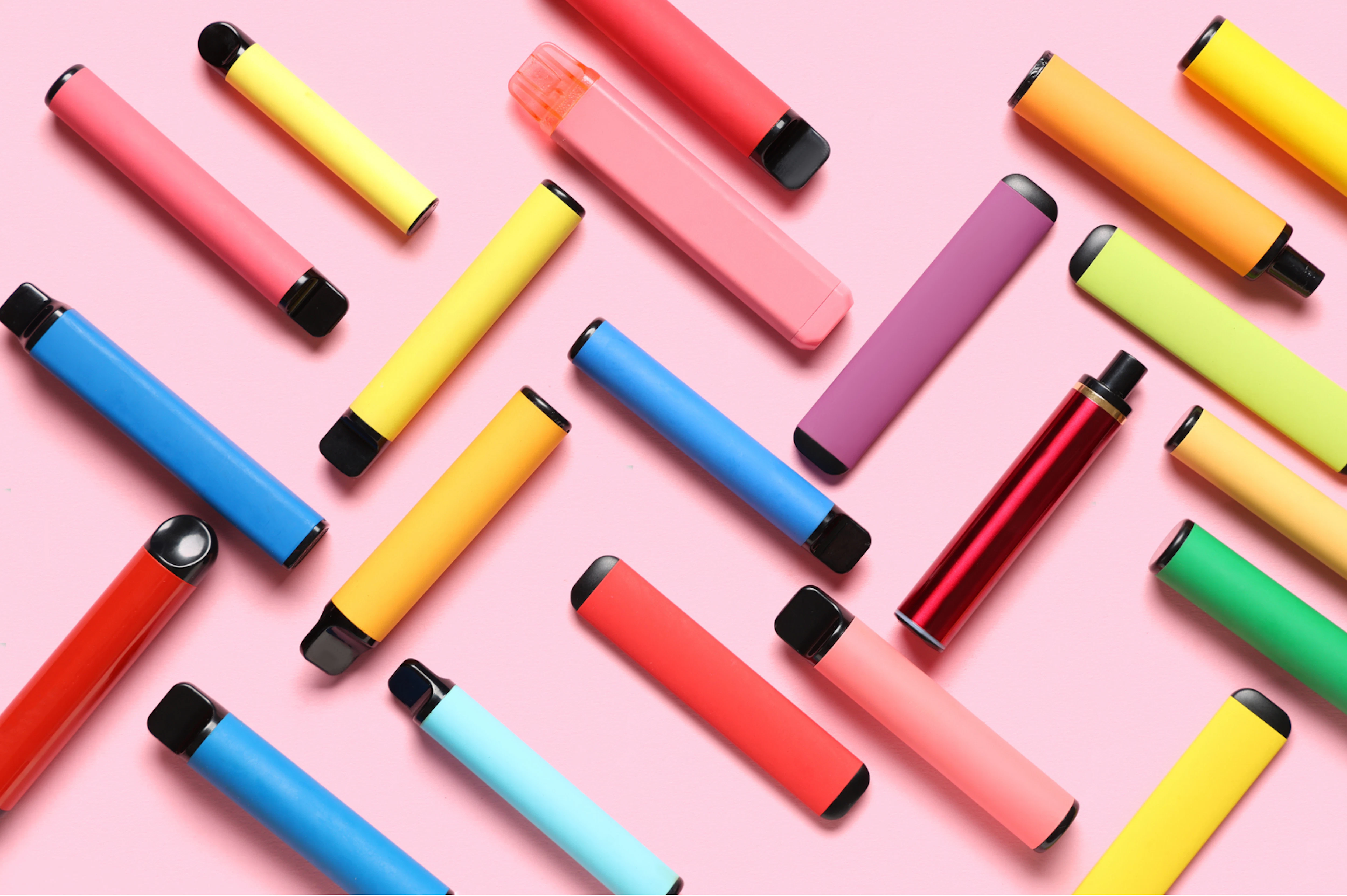
Vapes are sent to a specialised authorised treatment facility where they are broken down into their constituent parts. Valuable materials, including lithium, are recovered and recycled into new products.

What Are the ESG Benefits of Battery and Vape Recycling?

Batteries and vapes contain valuable, finite resources that must be mined. With Recorra, used batteries and vapes are safely collected, sorted, and recycled, allowing lithium, lead, and other metals to be recovered and reused in new products. Keeping these materials in circulation reduces waste, lowers demand for virgin raw materials, and lessens the environmental impacts associated with mining. 

Recycled lithium can be used to manufacture new batteries, while reclaiming lead from UPS batteries helps prevent toxic pollution. Proper recycling also reduces the risk of fires and the environmental damage they can cause. 

Moreover, the lithium wasted each year through discarded vapes could power around 1,200 electric cars.

How Can Recorra Help?

Recorra requires battery and vape collections every quarter for the businesses we serve, helping to reduce fire risk and ensure these materials are managed compliantly.  

We also provide a variety of educational materials to help workplaces recycle batteries and vapes correctly. These include blogs, FAQs, and various education and engagement activities delivered by our sustainability consultants.

If your business wishes to set up a battery and vape collection service, contact Recorra and we’ll be happy to find a solution that works for your organisation.