International Women’s Day 2026: The Link Between Women, Waste and Climate

Women and girls are disproportionately affected by climate change in a variety of ways, ranging from unequal access to resources to a higher likelihood of climate-related health impacts such as heat stroke. Women are also more likely to feel the effects of poor waste systems, whether through increased exposure to waste and pollution or through unequal work and pay opportunities in the industry. This blog will explore the links between women, waste, and climate change through insights from the lens of our charity partners.

How Does Climate Change Affect Women?

In the UK, 1 in 3 women are food insecure compared to 1 in 5 men, partly driven by gender inequalities around paid work and the burden of unpaid care, especially as it relates to childcare. Climate change worsens food insecurity by making extreme weather events such as floods and droughts more likely. The resulting reductions in crop yields cause farmers to raise their prices, and it has been estimated that climate caused inflation could push UK food prices up by more than a third by 2050.

Climate change can even impact a woman’s ability to have children. Research from India  has shown  that working in extreme heat can double the risk of stillbirth or miscarriage.

Knowing all this, perhaps it is unsurprising that data from the  2023/24 European Social Survey  shows that the share of women who agree it is important to care for nature and the environment is higher than the share of men in all European countries. Moreover, 63% of women agree that limiting energy use reduces greenhouse gas emissions compared to only 36% of men.

Women in the Fight Against Climate Change

When Jacinda Ardern of New Zealand, Sanna Marin of Finland, and Samia Suluhu Hassan of Tanzania were elected as their countries’ leaders, all three prioritised climate change as part of their agenda. President Suluhu Hassan in particular is a global spokesperson for African nations advocating for unlocking climate finance so low income countries can achieve ambitious sustainability goals. Data from the  Comparative Candidate Survey  also shows that female policymakers agree more than men about the need for environmental protection.

We find something similar in corporate firms, where women perform better on sustainable and environmental outcomes. It has been  found that  companies with three or more female directors perform better on specific environmental performance measures.

In 2024, 2,400 Swiss women over the age of 64 won a landmark case against their country in the European Court of Human Rights (ECHR), which ruled that Switzerland violated the European Convention on Human Rights by failing to combat climate change. ECHR rulings apply to all states party to the Convention, including the UK and various non EU countries across Europe. This ruling opens the door to similar cases in national courts. Their argument was rooted in the fact that older women are statistically  more  likely to die in heatwaves, which have become more frequent and intense due to the burning of fossil fuels. The court found that Switzerland’s failure to produce an adequate strategy to cut emissions violated Article 8, the right to private and family life, which encompasses health. This ruling is likely to influence climate action and litigation across Europe, as all states party to the European Convention on Human Rights have the same obligations.

But what does all this have to do with waste? The waste sector is responsible for around  5% of global greenhouse gas emissions, with landfill and food waste being primary causes. The knock-on effects of a polluted environment also disproportionately impact women, as toxins from landfill and burning waste can affect reproductive and maternal health. Societal norms also mean that globally women are often exposed more heavily to waste than men, especially in the domestic sphere, while simultaneously being less likely to work in the formal waste sector or hold decision making roles.

Recorra and our Charity Partners

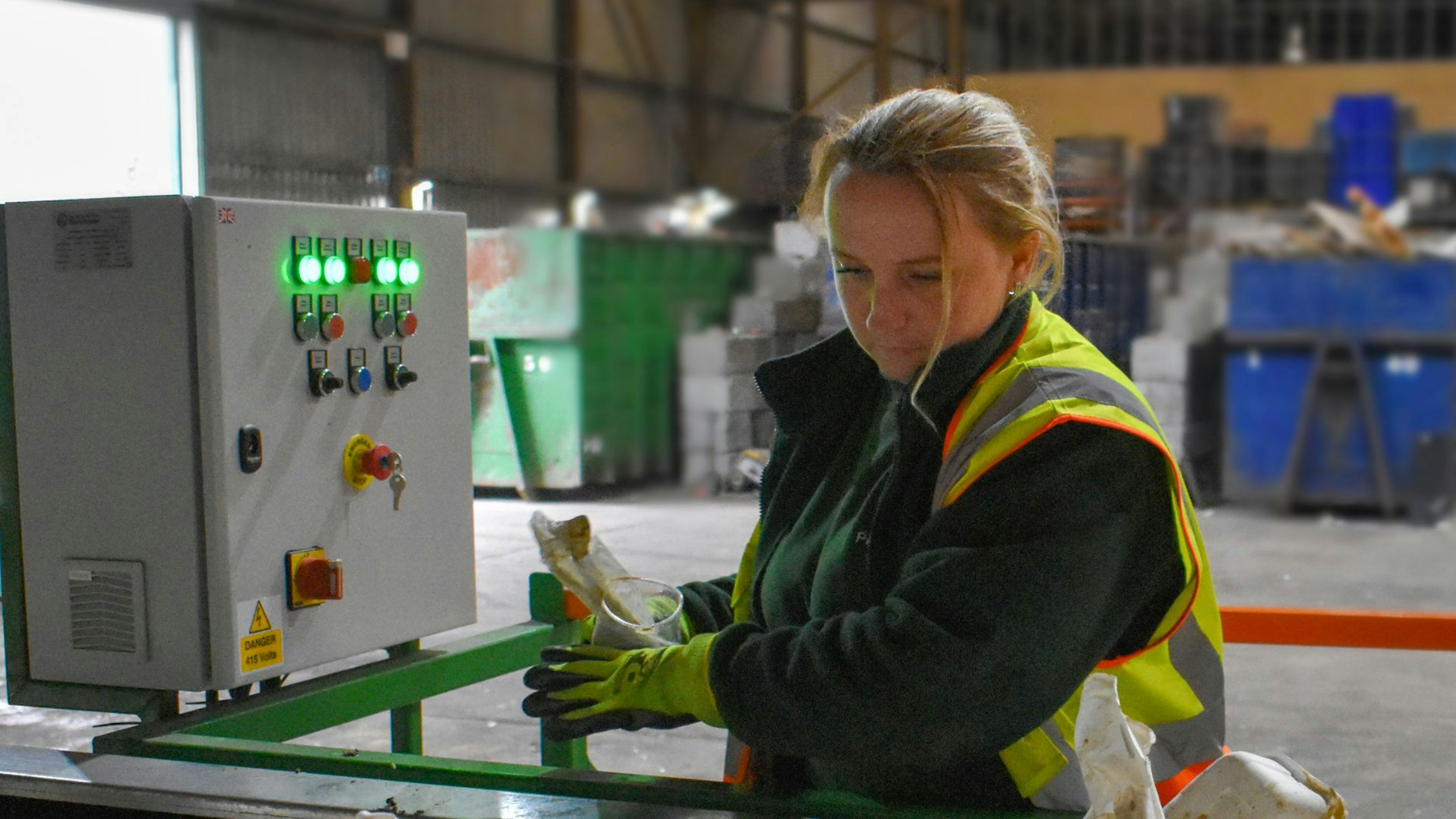
At Recorra, we are actively changing this by increasing gender representation in the waste industry, a sector that is historically male dominated. Our Director, Chief Financial Officer, Net Zero Strategist, and four of our sustainability consultants are women. To put this in perspective, 50% of our board and 45% of our operational board and heads of department are women, while only an estimated 27% of the UK’s entire waste workforce are women.

Moreover, our own operations are not the only place where we are actively challenging gender patterns. Our charity partners are proudly led and supported by incredible women taking action to better our world.

Plan Zheroes

Plan Zheroes is a food waste charity distributing surplus food that would otherwise be thrown away.

The charity was co-founded by a group of friends, one of whom was Lotti Hanbury, a princess turned refugee who experienced hunger first hand. Her experiences motivated her to help found Plan Zheroes so that no one would have to go hungry. Their current CEO, Dee Vadukul, now leads the charity, continuing this work of stopping food from becoming waste while feeding those who need it most.

Umthombo Trust

The Umthombo Trust is a small NPO in the Western Cape province of South Africa and has a strong reputation for impactful community work. Recorra has been donating money to help fund the Trust’s 2025 Eco Youth Circle Program, aiming to connect young people to nature, provide trauma-informed education, and build skills and entrepreneurship.

Layla Staegemann is their coordinator, working to prevent social issues rather than focusing only on the symptoms. The Trust regularly hosts “women’s teas” to support local women in their own endeavours as community leaders. Umthombo continues to consult women in the community on their youth programmes, as this gives the Trust a more holistic picture compared to many other NGOs.

As part of Recorra’s celebration of International Women’s Day 2026, we sat down with both of them to hear their perspectives on women, their work, and where it overlaps with waste and climate.