Carbon Capture Exists, it’s Expensive (Right Now)
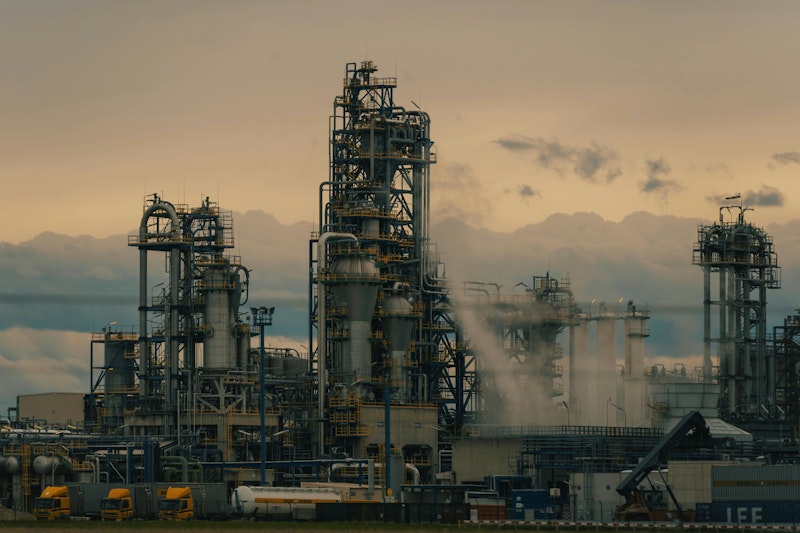
Carbon capture is not like flying cars – it exists and it does actually work. There are right now, 45 commercial facilities around the world capturing carbon from air. Here’s one in Texas that captures carbon from a cement plant. And here’s one in Iceland that does direct capture. This isn’t ‘a fairytale’.
The problem is that we don’t know how to do it cheaply or at scale.
Although there are much larger ones currently in construction, that one in Iceland only has a 4000 tonne capacity per year, which is only about 2.5x Recorra’s 2023 carbon footprint. With a whopping carbon price of ~ $300+ per tonne this makes it the most expensive way to fight emissionswhen compared to other strategies like electrification, energy efficiency, and renewables.
By this doesn’t mean we should write it off!
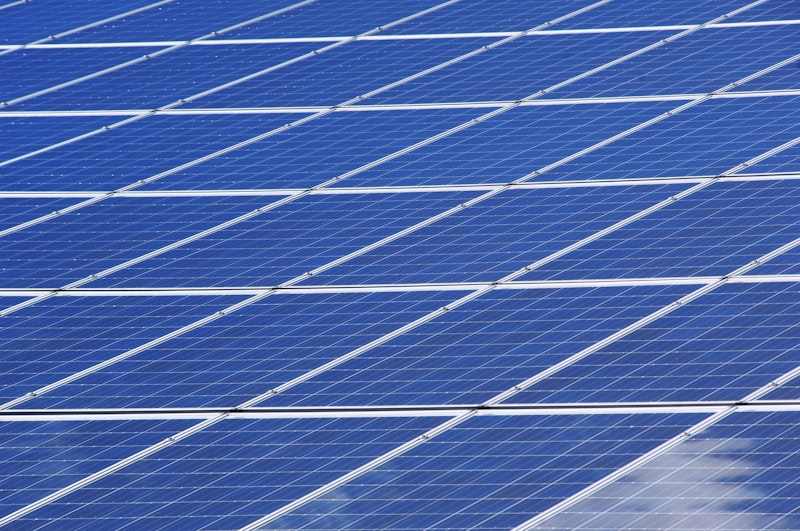
Technologies that are essential for fighting climate change – like solar panels and batteries, were similarly experimental not that long ago. The first commercial solar panel was only invented in the 1950s, by the famous research centre Bell Labs. It produced 1 Watt of electricity for… $1,865. For reference, the average unit price for UK energy this year was around 27p for 1 kiloWatt (x1000 watts) of electricity, and a household uses a bit under 3000 kWh a year. Fighting climate change with solar panels in the ’50s would’ve bankrupted the country.
But the current price of solar power globally?… $0.20 per Watt (15p).
I find that a bit mind blowing.
How did we achieve this? Well, there’s a concept in technology innovation called ‘Wright’s Law’, or more colloquially – learning curves. This states that the more of a technology you build, the better you get at doing it, leading to a consistent, and often dramatic decrease in price. By investing in and building so many solar panels, we’ve managed to make them become 90% cheaperin the last 20 years.
If we want to have carbon capture in the future (and we will), then we have to invest in it now. It will become cheaper and more effective the more we build, – but only if we actually, you know, do it.