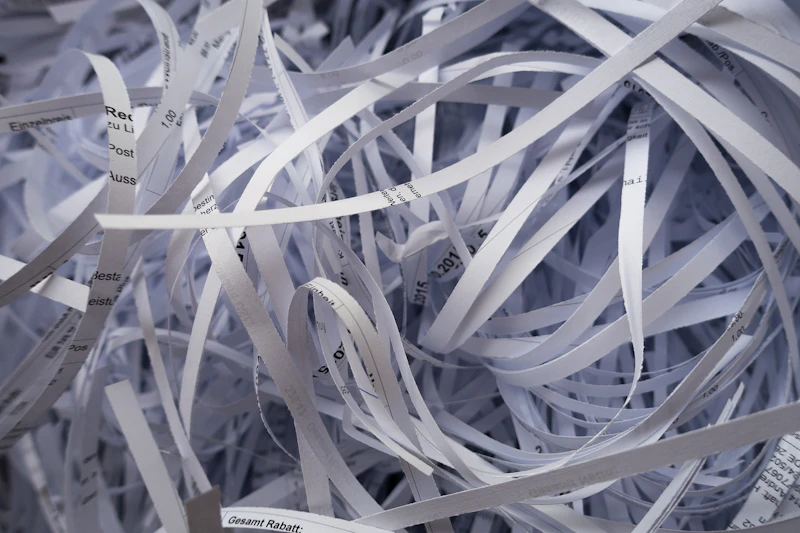
Every business handles confidential information, from customer records and employee data to financial documents and internal communications. But when these documents are no longer needed, how they are disposed of matters just as much as how they are stored.
While paper shredding is a familiar way to destroy sensitive documents, it is only one part of the wider process. Confidential waste collection provides a more comprehensive approach, ensuring sensitive materials are securely stored, collected, destroyed, and managed responsibly from start to finish.
Understanding the difference between paper shredding and confidential waste collection can help businesses choose a disposal solution that protects sensitive information, supports data protection responsibilities, and reduces the risks associated with improper waste handling.
In this blog, we’ll explore what confidential waste collection involves, how it compares to traditional paper shredding, and why a secure, managed disposal service can help businesses protect sensitive information.
Why secure confidential waste disposal matters
Businesses handle a wide range of sensitive information every day, including customer details, employee records, financial documents, and confidential business data. Once this information is no longer needed, it must be disposed of securely to prevent unauthorised access and reduce the risk of data breaches.
Simply throwing documents into general waste or relying on basic shredding methods can leave sensitive information vulnerable. Secure disposal ensures confidential materials are managed responsibly throughout the entire process, from storage and collection through to destruction and recycling.
For businesses, choosing a reliable confidential waste collection service helps protect sensitive information, support data protection responsibilities, and provide confidence that confidential materials are being handled safely and professionally.