
International Day of Zero Waste: How Food Waste Solutions Can Get Us to a Zero Waste World
Discover why food waste is the focus of International Day of Zero Waste: 2026 and how it impacts costs, compliance, and the climate.
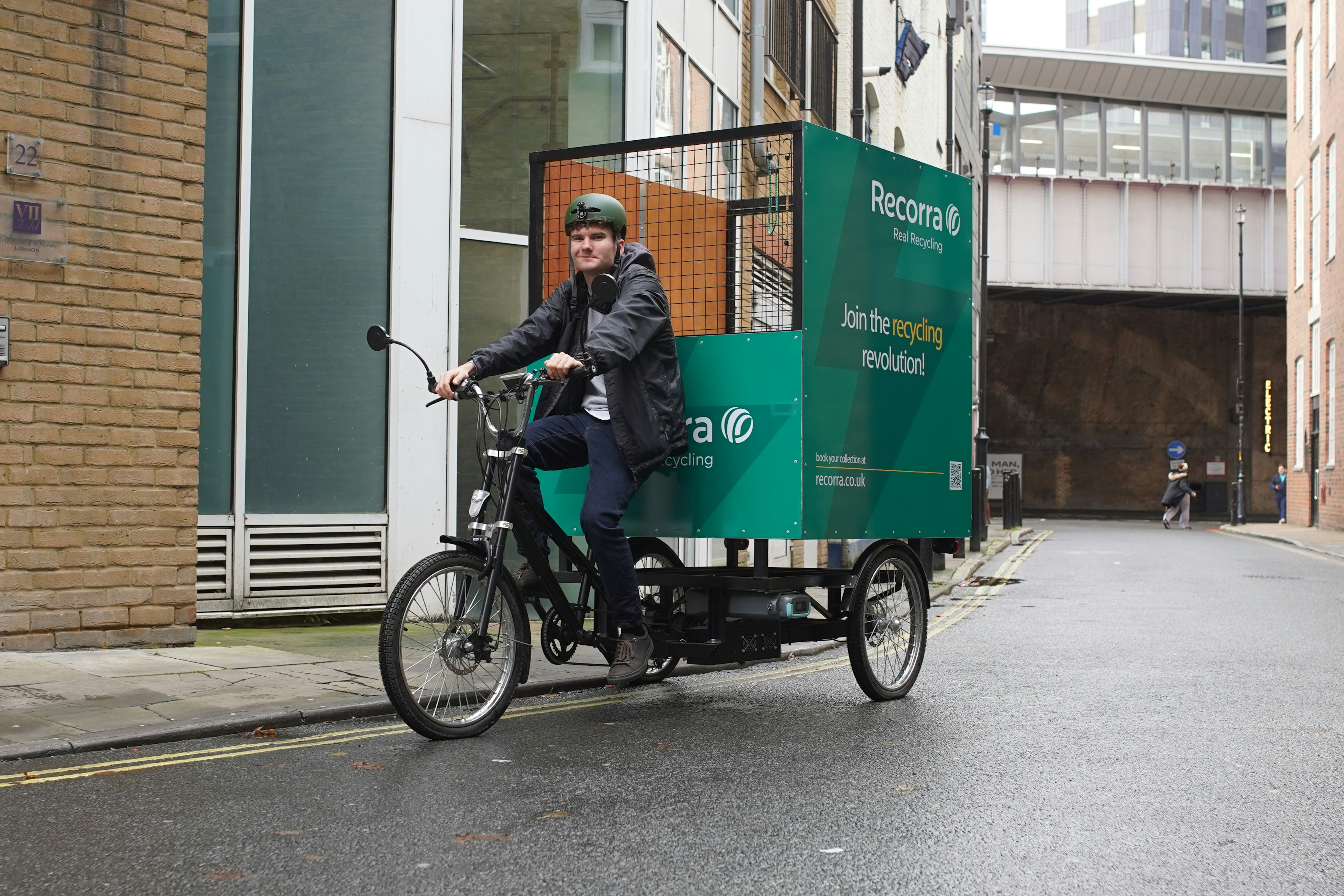
Recorra has been using cargo bikes to deliver workplace supplies and conducting kerbside collections in the SE1 area since 2022 with the goal of reducing emissions, cutting congestion, and improving air quality. In this blog we go into the environmental, community, and health benefits of using our service and how the service works.
For decades, air pollution has been recognised as a public health risk. Even as far back as Ancient Greece, it was widely accepted that ‘bad air’ caused disease, and while the scientific understanding behind that belief was faulty, it is true that ‘bad air’ negatively impacts health. One of the earliest environmental laws was passed in 1273 by the English Parliament, prohibiting the burning of soft coal because of its negative impact on health. The Industrial Revolution caused further a decline in air quality to the point that the origins of the environmental movement lay in the response to the increase in air pollution at the time. The expansion of automobile use in the 20th Century added another source air pollution for cities. Everything came to a head in December 1952 when 12,000 people died prematurely in the Great London Smog.
Since then, the UK has made a significant effort to reduce air pollution, and yet, despite the problem of air pollution being fixable, pollution targets are still breached. Air pollution is one reason for the resurgence in the popularity of cargo bikes in recent years. Once a common sight on London roads during the 20th century, cargo bikes fell out of favour when the car came to dominate the streets. But as the climate crisis becomes more acute and people seek alternatives to fossil-fuel powered vehicles, cargo bikes are emergingas a strong contender on the UK’s roadways.
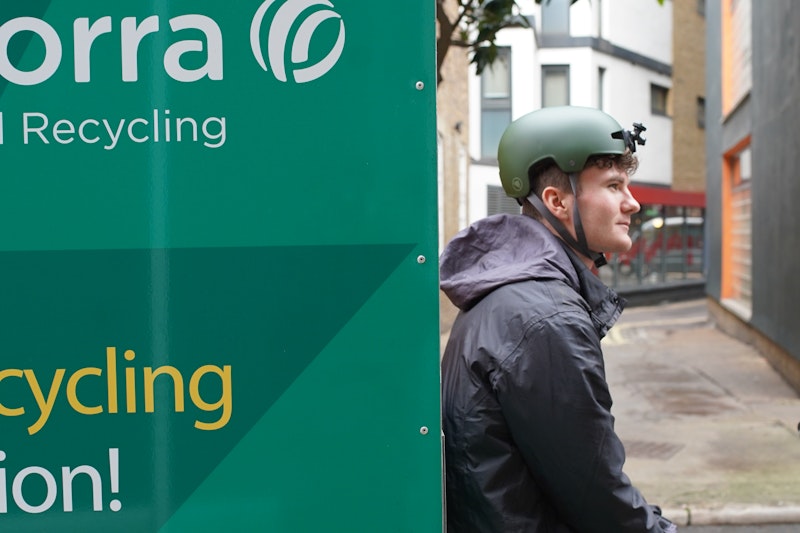
Recorra choose cargo bike collections because the benefits they bring to the environment, community, and health. For example, cargo bike collections reduces major pollutants, including carbon, nitrogen dioxide (NO2), ozone (O3), and particulate matter (PM2.5). Cargo collections benefit communities by freeing up space and funding for local improvements by reducing the cost of road repair. Cargo bike collections also benefit health through reduced air and noise pollution as both can reduce life expectancy while air pollution can negatively impact brain development.
While air quality has shown an improvement from 2015 to 2024 with nitrogen dioxide (NO2) and particulate matter (PM2.5) consistently falling, targets are still commonly breached. Cargo bikes produce no carbon emissions and significantly less particulate matter – solid particles and liquid droplets which can come human-made sources like smoke and soot – than other vehicles. This is good news for the environment, as particulate matter can clog plant pores and make it difficult for them to breathe. It can also alter soil chemistry, further impacting plant growth. Because cargo bikes emit less particulate matter than motor vehicles, their environmental impact is far less damaging.
Additionally, cargo bikes don’t use fossil fuels and therefore don’t produce Volatile Organic Compounds (VOCs). VOCs are critical to the formation of ozone (O3) – a super pollutant responsible for approximately 0.23°C of today’s warming. And in the UK, ozone levels are falling rather than rising. Reducing human-driven VOCs and ozone levels helps protect plants, which weaken under long-term ozone exposure due to reduced photosynthesis and increased vulnerability to disease.
Cargo bikes offer multiple benefits to local communities. They help reduce traffic congestion by displacing larger vehicles, freeing up space for cyclists and pedestrians. Their smaller size and lower speed also improve road safety by reducing the risk of collisions.
Another advantage is noise reduction. Cargo bikes are much quieter than traditional waste collection vehicles, making them less disruptive – especially for residents living above commercial premises who may otherwise be disturbed by early morning collections.
Recorra’s flexible cargo bike collection times will also support communities. Small businesses often have limited space, meaning bins can fill up quickly. Flexible scheduling helps ensure waste is collected before it becomes a problem.
Cargo bikes could also lead to more funding for local improvements. Road repairs are costly – estimated that the cost of fixing roads across England and Wales is £17 billion. In 2023/24 local authority road maintenance totalled £4.8 billion, with £3 billion spent on structural treatment. Roads get damaged for various reasons, but heavy vehicles are a major contributor. Because cause cargo bikes are light, they cause less wear and tear, reducing the need for repairs and freeing up resources for other community investments.
Quieter streets are vital for public health. Noise has been identified as an invisible health crisis, associated with heart attacks, diabetes, anxiety, disrupted sleep, and even dementia. If you’ve ever felt calmer on a quiet street, that’s no coincidence. Noise triggers an emotional response, releasing stress hormones. While temporary stress is manageable, constant exposure – such as traffic noise – can significantly reduce life expectancy. Traffic noise is particularly harmful due to its ubiquity, and while people may feel they’ve adapted, biology suggests otherwise.
Cargo bikes are much quieter than cars, contributing to quieter streets. When combined with reduced congestion, the noise reduction effect becomes even more pronounced.
Poor air quality is linked to an estimated 7 million deaths annually. While its impact on lung and heart health is well known, its effects on brain development are less widely recognised outside academic circles.
There is also growing evidence that air pollution affects brain development. A recent study examined how early exposure to air pollution influences children’s development and mental health. Researchers have found that children with elevated pre-school exposure had poorer educational outcomes, a higher likelihood of serious behavioural issues, and increased risk of substance abuse later in life. By producing virtually no air pollution, cargo bikes help reduce these risks.
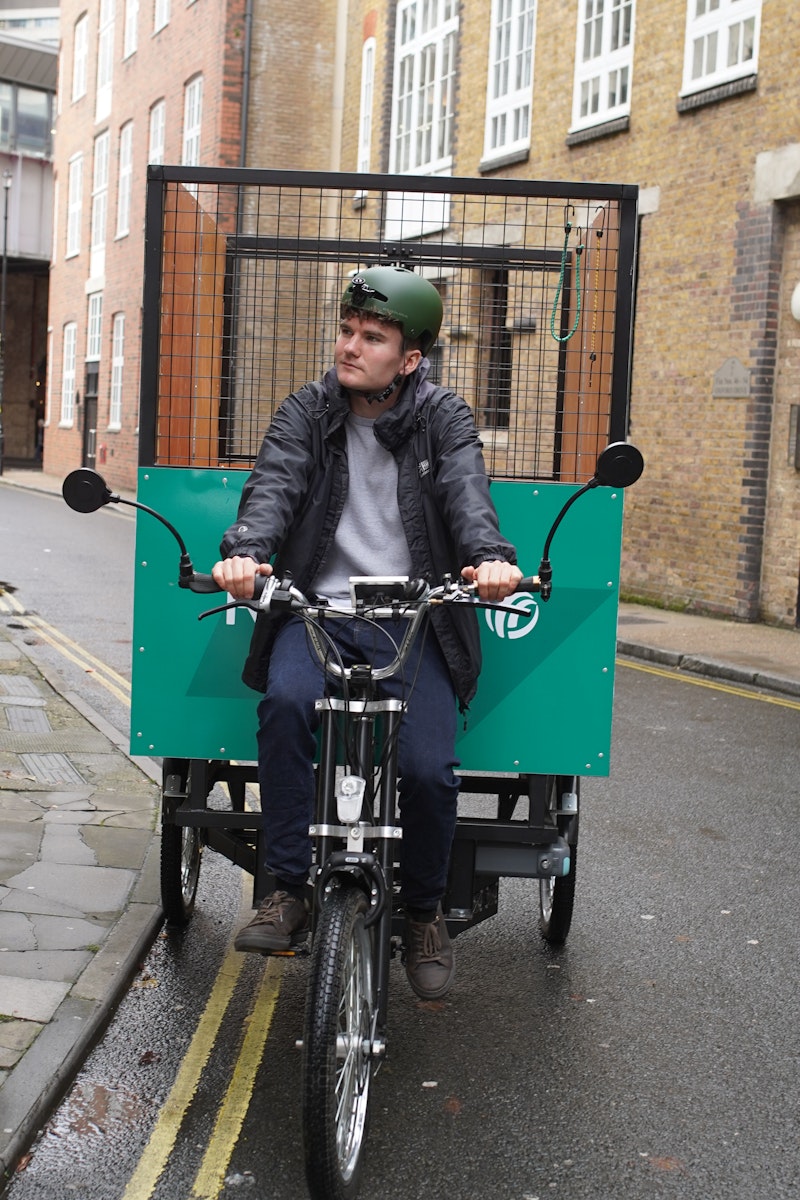
Recorra’s cargo bike collection service operates from 6am to 3pm to allow for flexibility in collection times. Only businesses located in central London with kerbside sack collection will qualify and be transitioned over to the service.
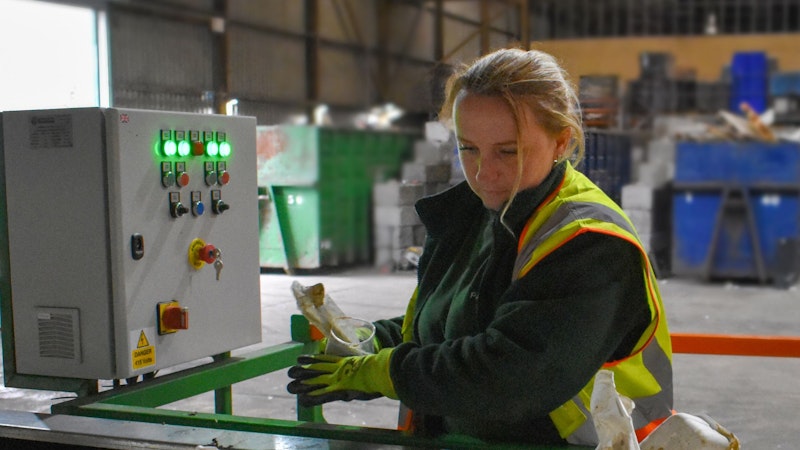
At the end of the day, recycling is transported to Recorra’s Materials Recovery Facility (MRF).
Recorra is partnering with Better Bankside and Team London Bridge to help deliver this service and its benefits to SE1.The BIDs provided support with navigating logistical constraints like recruiting riders. We were proud to join Team London Bridge’s annual Cargo Bike Cruise around London to celebrate cargo bikes and raise awareness about how theybenefit the environment and urban freight.
Recorra leads by example in its commitment to reducing carbon emissions, improving local air quality, and easing traffic flow. Our cargo bike service is the clear choice for eco-conscious SMEs seeking flexibility and simplicity in their collections.
Looking ahead, Recorra plans to expand its cargo bike collection service. In addition to expanding our fleet, we’re exploring the possibility of collecting additional items and supporting broader community initiatives, like food redistribution, with our bikes.
Discover why food waste is the focus of International Day of Zero Waste: 2026 and how it impacts costs, compliance, and the climate.

Why does secure data destruction matter? Discover key UK GDPR rules, and how shredding and IT wiping can keep your business compliant and safe.
Explore how climate change and waste systems disproportionately affect women and girls, and highlights the women leading solutions through climate action and community initiatives.
