Every business relies on digital devices to store and manage valuable information, from customer and employee records to financial documents, passwords and commercially sensitive data. But when a laptop, hard drive, server or mobile device reaches the end of its working life, what happens to everything stored on it?
Simply retiring a device doesn’t mean the data has disappeared. If information isn’t properly removed or destroyed before equipment is reused, recycled or disposed of, it can potentially be accessed by unauthorised individuals. For businesses, this can create significant security, compliance and reputation risks.
Secure data destruction provides a controlled way to ensure sensitive information is no longer accessible when IT equipment reaches the end of life. But what does the process actually involve, and why isn’t simply deleting your files enough?
In this guide, we’ll explore what happens to business data when devices are retired, the risks of inadequate data destruction, how secure destruction works, and how it fits into your GDPR responsibilities. We’ll also look at how Recorra can help businesses protect their data while managing end-of-life IT equipment responsibly.
What happens to data when a device reaches end of life?
When a device reaches the end of its working life, the data stored on it doesn’t automatically disappear. Laptops, hard drives, servers and mobile devices can still contain sensitive business information, even after they’ve been taken out of use.
Before equipment is reused, resold, donated or recycled, businesses should ensure any data on it has been securely removed or destroyed. This typically involves:
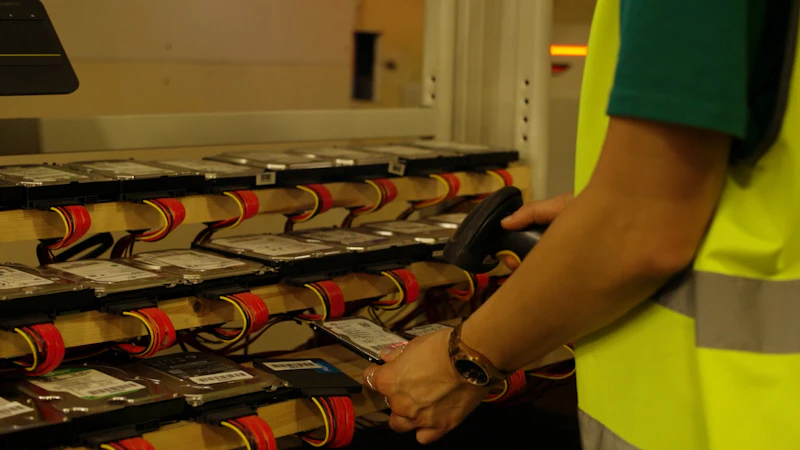
- Identifying the device and keeping a record of the asset.
- Erasing or destroying the data using an appropriate secure method.
- Verifying the process to ensure data cannot be recovered.
- Keeping documentation as evidence of secure data destruction.
- Reusing or recycling the equipment responsibly once data has been dealt with.
Taking these steps helps protect sensitive information and ensures devices can reach their next stage without putting businesses’ data at risk.