Since Simpler Recycling came into force for workplaces with 10 or more full-time equivalent employees on 31 March 2025, businesses have had to take a closer look at how they manage their waste. While the changes brought new requirements for separating recyclable materials, food waste and general waste, what has actually changed for dry mixed recycling (DMR).
For many businesses, the biggest difference has been how waste collection services are organised, particularly when it comes to separating paper and cardboard from other dry recyclables. But the rules aren’t as complicated as they might first appear, and not everything about commercial recycling has changed.
In this guide, we look at what Simpler Recycling means for your business’s dry mixed recycling since March 2025, what’s changed in practice, and what you need to do to keep your waste management compliant. We’ll also look ahead at the next changes on the horizon and how Recorra can help you make sure your recycling arrangements are fit for purpose.
What the rules actually say (and haven’t changed)
Since 31 March 2025, Simpler Recycling has required workplaces to separate their waste into the appropriate streams. The aim is to make recycling more consistent and improve the quality of materials collected for recycling.
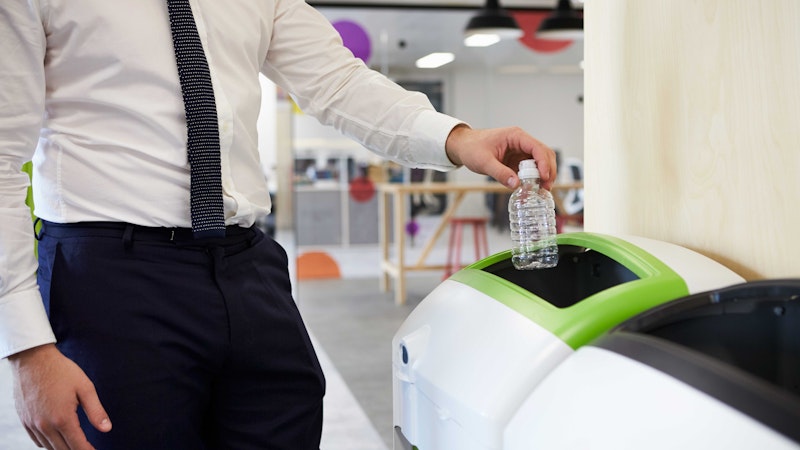
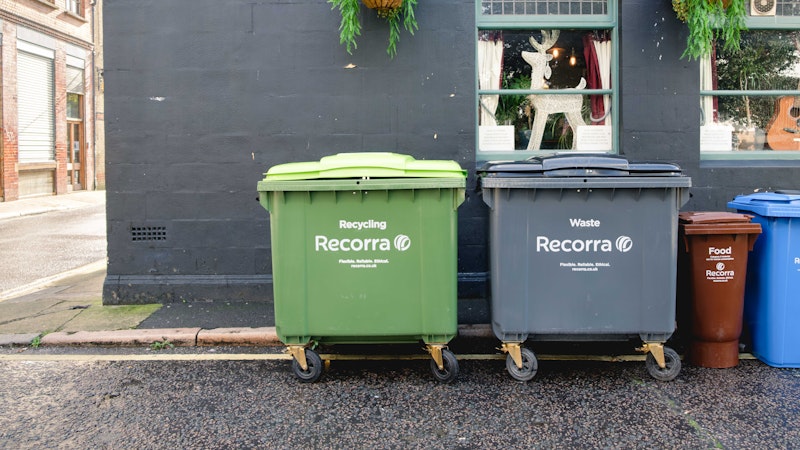
For businesses, this means separating:
- Paper and cardboard
- Plastic
- Metal
- Glass
- Food waste
- Non-recyclable (general) waste
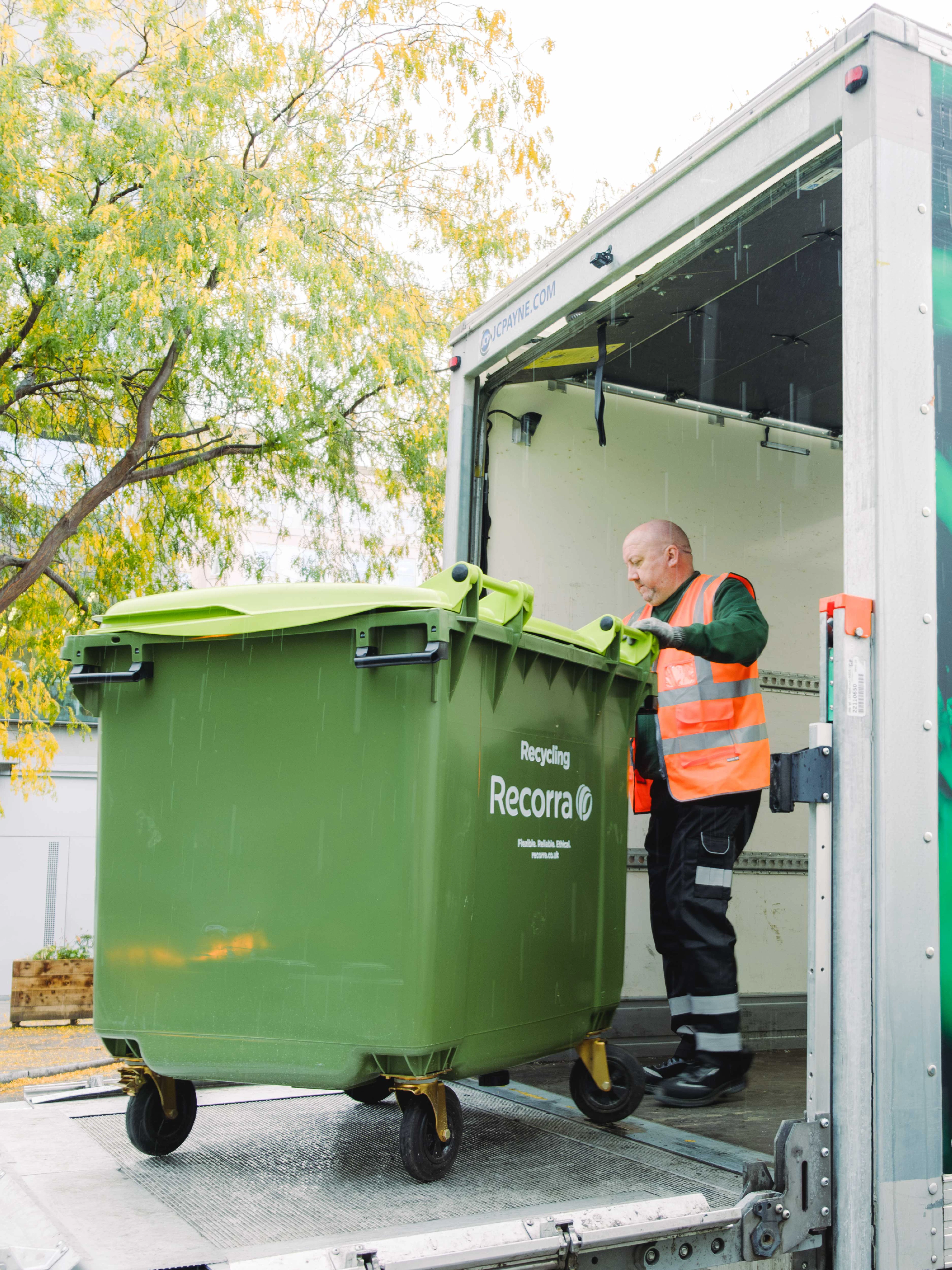
One important detail for businesses to understand is that paper and cardboard must be collected separately from plastic, metal and glass. However, this responsibility falls to the waste collector rather than the business itself.
There is an exception. A waste collector can continue to collect paper and card alongside other dry recyclables if it completes a written assessment demonstrating that separating these materials is not technically or economically practicable, or would not provide a significant environmental benefit.
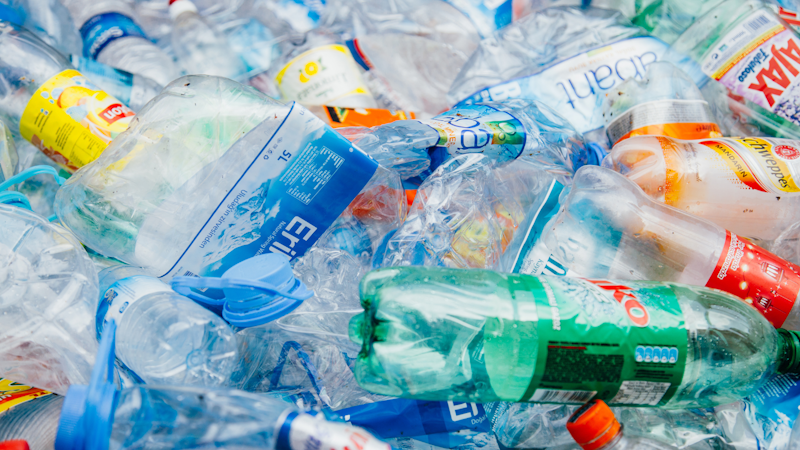
The good news is that plastic, metal and glass can still be collected together in a single dry mixed recycling (DMR) bin. Food waste must also be collected separately, even if your workplace doesn’t have a kitchen or facilities for preparing food.
So, what has changed in 2026? There haven’t been any new workplace recycling rules introduced. The requirements that came into force in March 2025 remain in place. The main change has been how waste collectors organise their services to meet these requirements, including the way they handle paper and cardboard.