Melting Roads and Vanishing Ice: The Sustainability Crisis in Sports

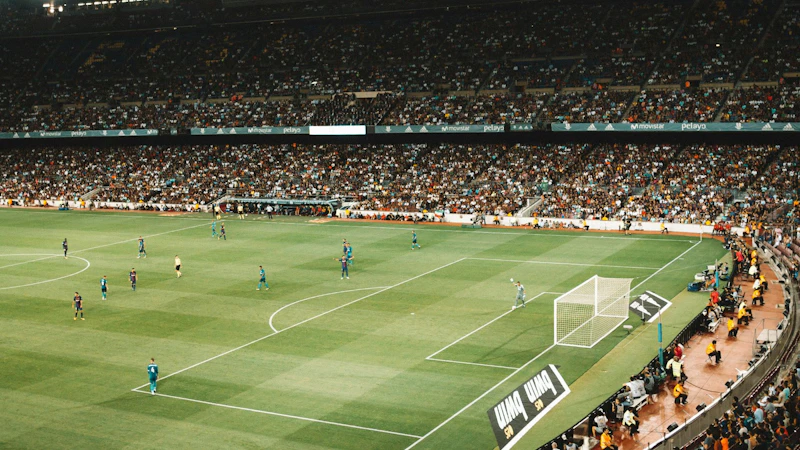
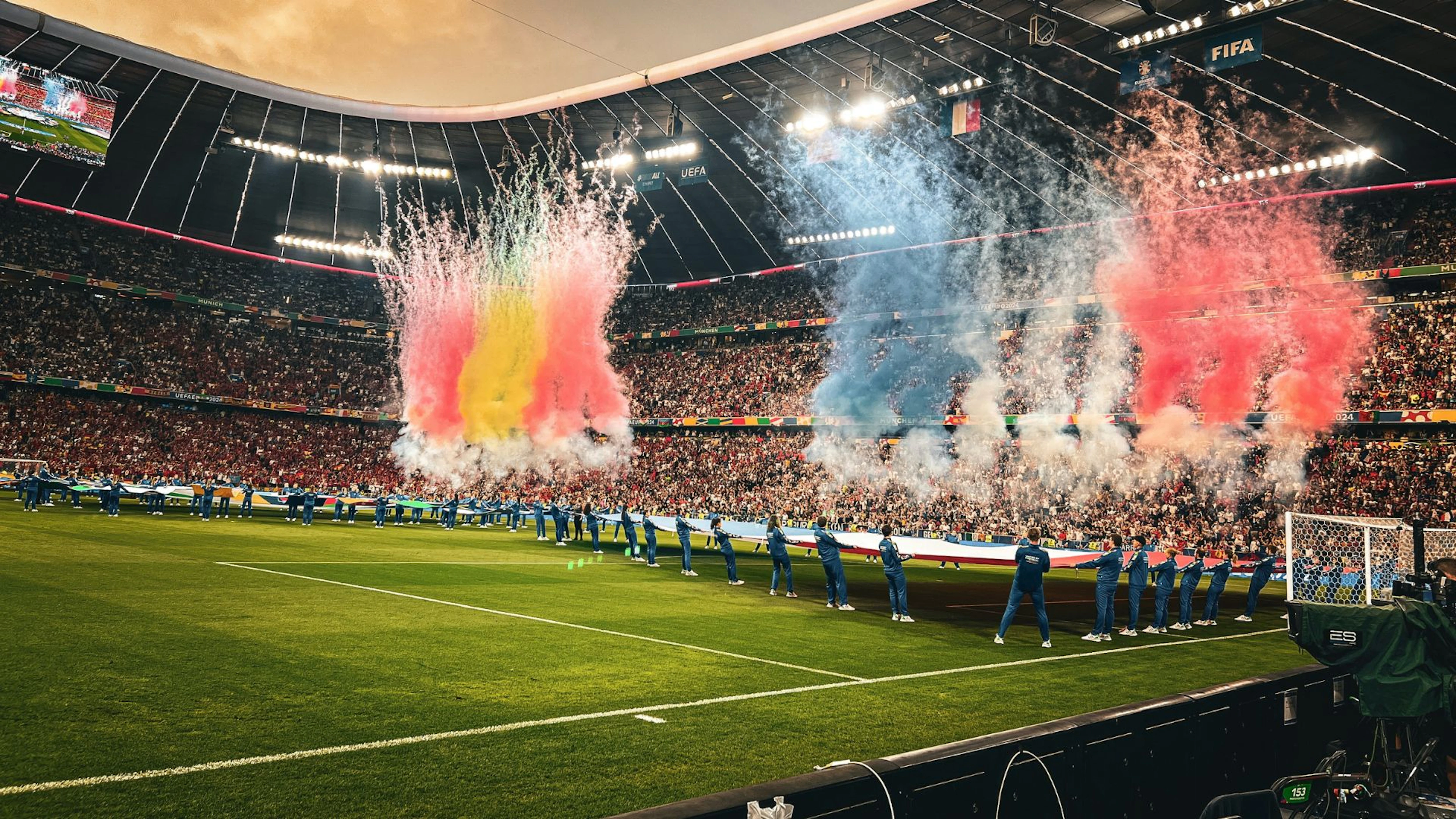
The FIFA World Cup 2026 is underway and as the best of world compete to become world champions, we thought this would be a great opportunity to talk about sustainability in sport.

A beloved pastime and an industry worth billions, sports bring people together, are vital for physical and mental health, and through competition, give us something to be proud of. And yet, as with many other things we take for granted, sports are an area where we need to take care to use resources wisely.

How Climate Change Is Transforming Sport

If you like to exercise and over the past few years have been finding yourself changing the times you work out, then you’re not alone. Famous running events across the world are having to reschedule races to avoid extreme heat conditions. The 2021 Olympic marathon even moved cities entirely because the city of Sapporo is cooler than Tokyo. In 2022, organisers of the Tour de France had to deal with the threat of melting roads and routes were cut short due to extreme heat.

Meanwhile taking place in one of the hottest years on record, the 2024 Olympic men’s triathlon event was delayed after a months’ worth of rain was dumped on Paris during the opening ceremony. The strain on the city’s sewer system resulted in untreated sewage getting discharged into the Seine where the swimming portion of the race was taking place.

Plastic pollution is so pervasive that in 2016 it became part of the obstacle course for Olympic water sports as athletes who competed in sailing off the coast of Brazil can attest. In the UK, football has been battered with heavy rainfall and flooding, forcing some stadiums out of commission at times. Designers of golf courses are now having to factor in flood control measures. The Los Angeles wildfires in January 2025 have even led to calls for the city to withdraw from hosting not only the 2028 Olympic games, but also this year’s FIFA World Cup and Super Bowl.

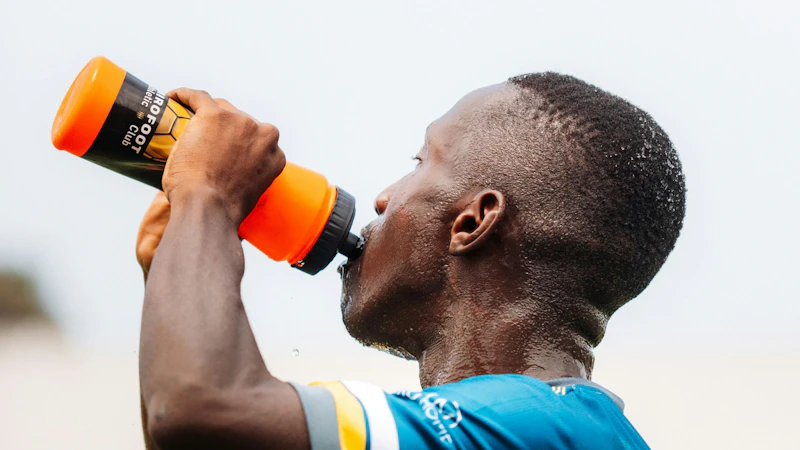
The FIFA World Cup 2026 has faced other challenges from the effects of a warming world. The Queen’s University of Belfast has urged FIFA to schedule kick-offs later in the day because of potential heat risks. In December 2025 it was announced that all matches would include mandatory hydration breaks in each half to counteract hot conditions.

In other words, it’s now hard to imagine any sporting event can avoid making serious concessions in the face of extreme weather.

The Hidden Footprint of Sport

Fossil Fuels

It has been notoriously difficult to kick fossil fuels out of sport, as perhaps best reflected by the aeroplanes fans and athletes take to get to sporting events. Sporting equipment is also made from petrol-based products like plastic. In fact, in 2021, an oil and gas trade association in the US launched a campaign showcasing these products with the implication that people cannot enjoy or even play sports without fossil fuels.

The FIFA World Cup 2026 has also caused concerns regarding its climate impact. Not only have the number of teams expanded, but a unique feature of the cup this year is the event being spread over multiple host cities across three countries. Both these factors mean a rise in carbon emissions due to more people and more extensive fossil-fuel powered travel. In fact, a report from Scientists for Global Responsibility found that the 2026 World Cup will generate more than 9 million tonnes of carbon, double the average of the last four cup finals, making the event one of the most impactful in the tournament’s history.

Waste Produced

Sport venues often generate a ton of waste, ranging from plastic to food waste. At the 2021 Tokyo Olympics, 175 tons of food and 300,000 bento boxes for volunteers and staff members went to waste. This type of waste generation happens often, and can be for a variety of reasons, like limited storage facilities, overestimation of demand, strict health and safety regulations, and spectator behaviour. The risk is that all that food waste can end up in landfill, where it can generate methane, a greenhouse gas far more potent than carbon dioxide, as it decomposes.

But while sport may have played a role in creating the climate crisis, it can also play a role in getting us out of it.

Sustainability in Sport: The Big Picture

The Paris Olympics were far from perfect and still had a large carbon footprint, but are nonetheless an example of what sporting events can do to reduce their impact on the environment. The use of existing venues and renewable energy, as well as the use of low carbon material and recycled materials when they did have to build something new, are examples of how sporting events can become more sustainable. In an outward show of commitment to sustainable practices, Paris Mayor Ann Hidalgo got Total, one of the world’s seven supermajor oil companies, to drop their sponsorship of the Paris 2024 Olympics by campaigning for environmental initiatives.

And it’s not just the Olympics. Tennis Australia also ended their sponsorship with fossil fuel producer Santos amid public backlash. The English Rugby Football Union turned down a sponsorship agreement with oil and gas firm ExxonMobil over PR concerns. And all that artificial snow? The process of making it has become dramatically more efficient over the years. Ski resorts in Bromley, Vermont have been able to drastically reduce or even entirely eliminate dependence on diesel-powered air compressors. Solar panels now produce over half the power Bromley’s snowmaking systems consume.

Surfers are also getting in on the action. Surf breaks are features like reefs, sandbars, and rocky outcroppings. Without them, water doesn’t crest, and this robs waves of their distinctive curl. Surfers are thus beginning to leverage the $65 billion which could be lost if surf breaks were to be destroyed by rising and warming seas, to push for sustainable tourism.

Forest Green Rovers, based in Gloucestershire, England, are pioneers in sports sustainability. Recognised by FIFA in 2017 as the “greenest football club in the world”, they’ve integrated eco-friendly practices across their operations. Solar panels generate around 20% of their electricity, while electric car charging points and water recycling systems further reduce their carbon footprint. The club also maintains an organic, chemical-free pitch, cared for with an electric lawnmower to eliminate emissions. Their most unique initiative is an entirely vegan menu for players and fans, slashing the environmental impact of their catering and promoting plant-based living. By adopting these measures, Forest Green Rovers demonstrate how sports organisations can lead in sustainability, setting a benchmark for others to follow.

What’s Can You Do?

While some sustainability improvements may be out of reach for some sports, clubs, and groups, others are steps everyone can take. Looking after equipment so it lasts longer, encouraging fans and spectators to cycle, walk, or take public transport to games, and implementing carshare schemes for people who can’t avoid driving. Clubs could even reach out to sport companies and offer to test equipment made from environmentally friendly materials in exchange for keeping the equipment or getting discounts for future purchases.

So as you watch the World Cup, don’t forget that if we want to continue doing the sports we love, sport must become more sustainable. While we are making strides, we still have a long way to go.

Building a More Sustainable Future for Sport

Recorra recognises that waste is by far the simplest and least expensive way to make sports far more sustainable and something sports venues can quickly implement at all levels. We offer a variety of waste services, including niche services customers won’t find elsewhere.

One service we offer is plastic keg recycling. Sports venues sell drinks and beverages to large groups of people and kegs are a very convenient container for large volumes of liquid while extending the shelf life of drinks. With metal kegs falling out of fashion in favour of plastic alternatives, it is important for sports venues to implement a plastic keg stream to minimise environmental impact. Recorra also offers a glass waste stream for recycling glass bottles and dry mixed recycling for plastic bottles and drink cans.

Sports venues and clubs can also count on Recorra to address their food waste. Our colour-coded bins and sacks can be collected on a schedule suitable for kitchens, canteens, and more. We take this food waste to a UK anaerobic digestion facility where it is turned into energy. It should noted that due to recent legislation, food waste collections will be mandatory for businesses, including sport venues, in the UK from March 2025. Venues with less than 10 employees will also be legally required to have food waste collections starting in 2027.

Sports clubs could also benefit from Recorra’s textile and clothing recycling services. We take any form of used textiles, including uniforms and branded workwear, and give them a second life. This can take the form of fibre-to-fibre recycling, shredding for use in insulation and building materials, or energy recovery depending on the quality of the materials being recycled.