What Can You Put in Dry Mixed Recycling? A Business Guide

Recycling effectively starts with knowing what belongs in each waste stream. For businesses, dry mixed recycling offers a simple way to collect a range of recyclable materials together. But understanding what can and cannot be included is essential to avoid contamination and ensure materials are successfully recycled.

From offices and hospitality venues to retail spaces and larger organisations, choosing the right recycling approach can help reduce waste, improve sustainability performance and support a more circular economy. By understanding what can and cannot be recycled, businesses can improve recycling rates and make sure more materials are successfully processed.

In this guide, we’ll explain what dry mixed recycling is, what can go in dry mixed recycling bins, which common items should be kept out, and how you can improve your organisation’s recycling habits.

What is dry mixed recycling?

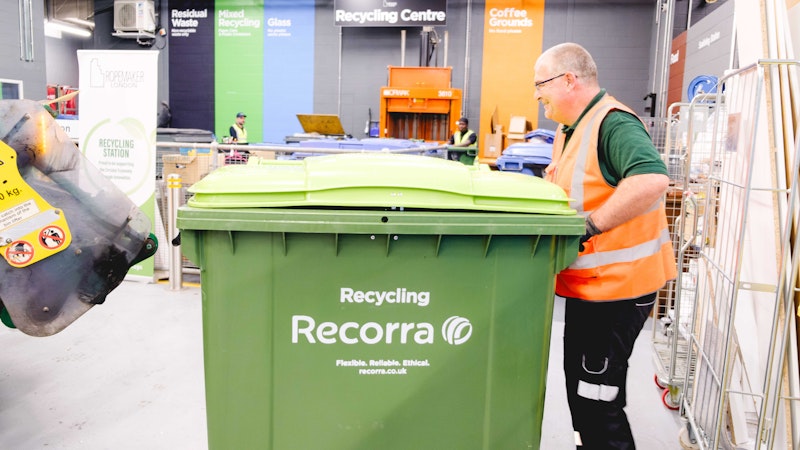
Dry mixed recycling (DMR) is a recycling method that allows businesses to collect several recyclable materials together in one bin. These materials are then separated at a recycling facility and processed into new products.

For businesses, dry mixed recycling provides a convenient way to manage recyclable waste while helping to reduce the amount of waste sent to landfill. It is a practical solution for workplaces that produce a variety of everyday recyclable waste and want to simplify their recycling systems.
Dry mixed recycling collection

What can businesses put in dry mixed recycling bins?

Businesses can recycle a wide range of everyday packaging and materials through dry mixed recycling, as long as items are empty, clean, and dry. The exact materials accepted can vary depending on your recycling provider, so it is always worth checking your collection guidelines.

Paper and cardboard

  • Office paper and documents
  • Newspapers and magazines
  • Cardboard boxes and packaging
  • Envelopes

Plastic packaging

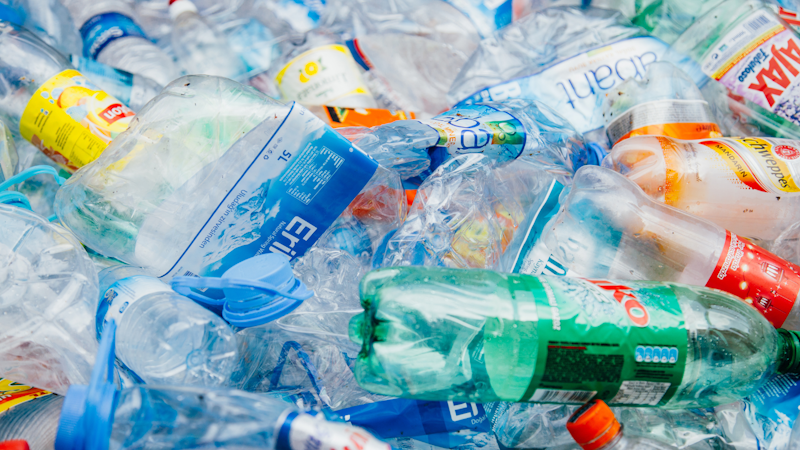
  • Plastic bottles
  • Plastic containers, tubs, and trays
  • Empty plastic packaging

Glass (where accepted)

  • Glass bottles
  • Glass jars

Some recycling services collect glass separately, so businesses should always check their collection requirements before adding glass to dry mixed recycling.

Metal packaging

  • Aluminium cans
  • Steel tins and cans
  • Empty metal packaging

Keeping these materials separate from general waste helps businesses recover more recyclable materials and reduce their environmental impact.

dry mixed recycling

Common items that cannot go into dry mixed recycling

While dry mixed recycling can handle a variety of materials, some items should not be placed in these bins. Incorrect items can contaminate recycling loads and make it harder for materials to be processed effectively.

Common items that cannot go into dry mixed recycling include:

  • Food waste: Leftover food, coffee grounds, and food-contaminated packaging.
  • Soft plastics: Plastic bags, cling film, and wrappers (unless accepted through a separate recycling scheme).
  • Paper towels and tissues: These are usually too contaminated or low quality to recycle.
  • Polystyrene: Including foam packaging and takeaway containers.
  • Electrical items and batteries: These require separate recycling routes.
  • Hazardous materials: Such as chemicals, liquids, and items that could pose a safety risk.

Common workplace examples include coffee cups, food packaging with leftover residue, and general waste being accidentally placed in recycling bins.

When in doubt, check your recycling guidance or speak to your waste provider before placing an item in your dry mixed recycling bin.

How contamination affects business recycling

Contamination happens when incorrect items are placed in recycling bins or recyclable materials are mixed with waste that cannot be processed. Even small amounts of contamination can affect the quality of a recycling load and make it more difficult to recover valuable materials.

Common causes of contamination include:

  • Food and liquid residue left in containers
  • General waste being placed in recycling bins
  • Non-recyclable packaging mixed with recyclable materials
  • Items that cannot be processed through dry mixed recycling

Contaminated recycling may require additional sorting, increase processing costs, and in some cases result in an entire load being rejected. By ensuring recycling bins are used correctly, and employees understand what can and cannot be recycled, businesses can improve recycling rates and reduce unnecessary waste.

dry mixed recycling

Why effective recycling matters for businesses

A well-managed recycling system can help businesses reduce waste, improve operational efficiency, and support wider sustainability goals.

Effective recycling can help organisations:

  • Reduce the amount of waste sent to landfill
  • Improve recycling performance and reporting
  • Support environmental targets and sustainability commitments
  • Create clearer waste systems for employees

Working with a recycling partner can help businesses identify areas for improvement and create a waste strategy that fits their operations.

Tips for improving your business recycling

Improving your business recycling starts with making it easy for employees to recycle correctly and ensuring the right systems are in place. Small changes can help reduce contamination, increase recycling rates, and support your organisation’s sustainability goals.

Make recycling bins easy to use

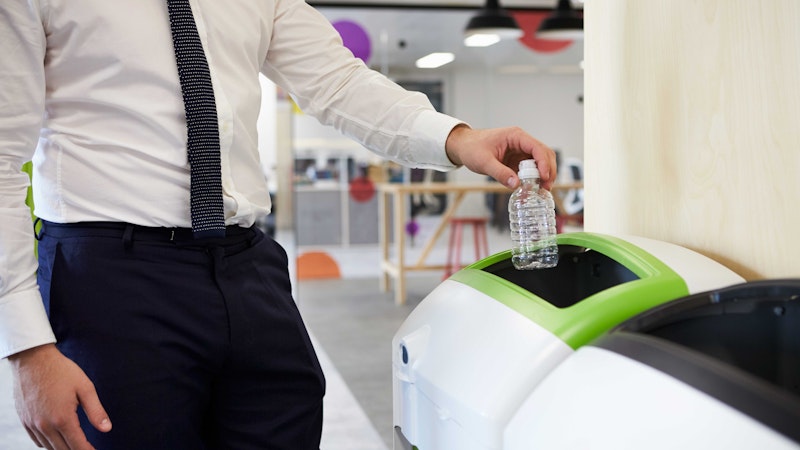
Place clearly labelled dry mixed recycling bins in convenient locations and use clear signage to show what can and cannot be recycled. Positioning bins where waste is most commonly produced can also make it easier for employees to recycle correctly.

Educate your team

Helping employees understand how recycling works can make a big difference. Provide simple guidance, share regular reminders, and include recycling information in staff training and onboarding.

Review your waste habits

Regularly reviewing the waste your business produces can help identify areas for improvement. Waste checks can highlight common recycling mistakes, opportunities to reduce waste, and whether your current recycling setup is working effectively.

Work with a recycling partner

A reliable recycling partner, such as Recorra, can help your business choose the right waste solutions and provide guidance on improving recycling practices. Support with waste audits, reporting, and sustainability goals can help you make more informed decisions.

Ready to simplify your business recycling?

Get an instant quote for tailored recycling and waste management services that help reduce contamination, improve recycling rates, and support your sustainability goals.

Making business recycling simple

Effective recycling does not need to be complicated. By understanding what belongs in dry mixed recycling, preventing contamination, and giving employees the right guidance, businesses can make a real difference to the amount of waste they divert from landfill.

At Recorra, we help businesses create effective recycling systems that are tailored to their needs. From choosing the right recycling services to providing support and advice, we make it easier for organisations to manage their waste responsibly and improve their sustainability performance.

Ready to improve your business’ dry mixed recycling? Recorra can help you create a tailored recycling solution that reduces contamination, increases recycling rates, and supports your sustainability goals. Get in touch with our team today.