Why Flexible Plastics Recycling is Worth It

Flexible plastics are everywhere in modern workplaces. They wrap pallets, protect deliveries, line packaging, cover food, contain snacks, and help keep products clean, dry, and safe. They are lightweight, practical and often efficient from a carbon perspective because they use less material than rigid alternatives. The problem is what happens when they become waste.

For many businesses, flexible plastics (also known as soft plastics) such as plastic film, carrier bags, bubble wrap, bread bags, sweet wrappers, and crisp packets have historically had one destination: general waste. That means incineration, export, or disposal rather than recovery. Recorra’s Circular Box service was designed to offer a practical alternative: a simple way to capture flexible plastics separately and give them a genuine second life.

What is the Circular Box?

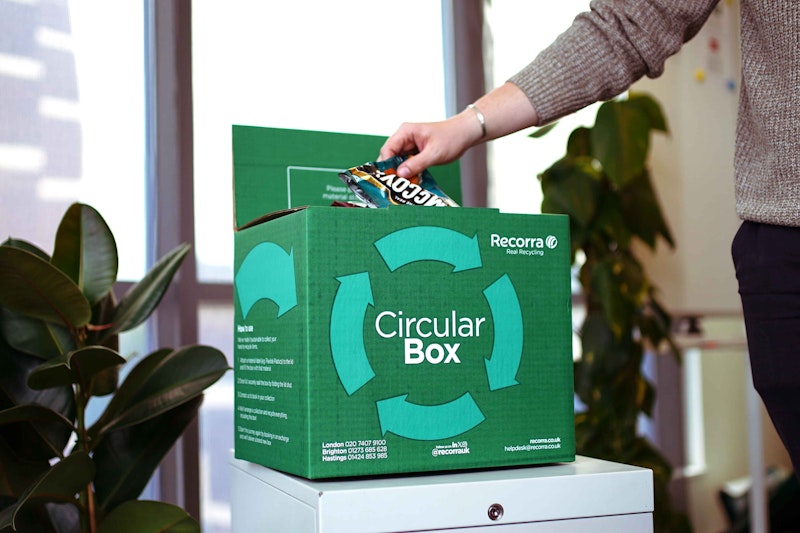
The Circular Box is Recorra’s collection service for hard-to-recycle workplace materials, including flexible plastics. Businesses order a dedicated box for a chosen material stream, place it in a visible location, fill it with the accepted items, then arrange collection once full. This simple model helps teams keep these materials separate, clean, and ready for recycling at the point of disposal, resulting in better recycling outcomes.

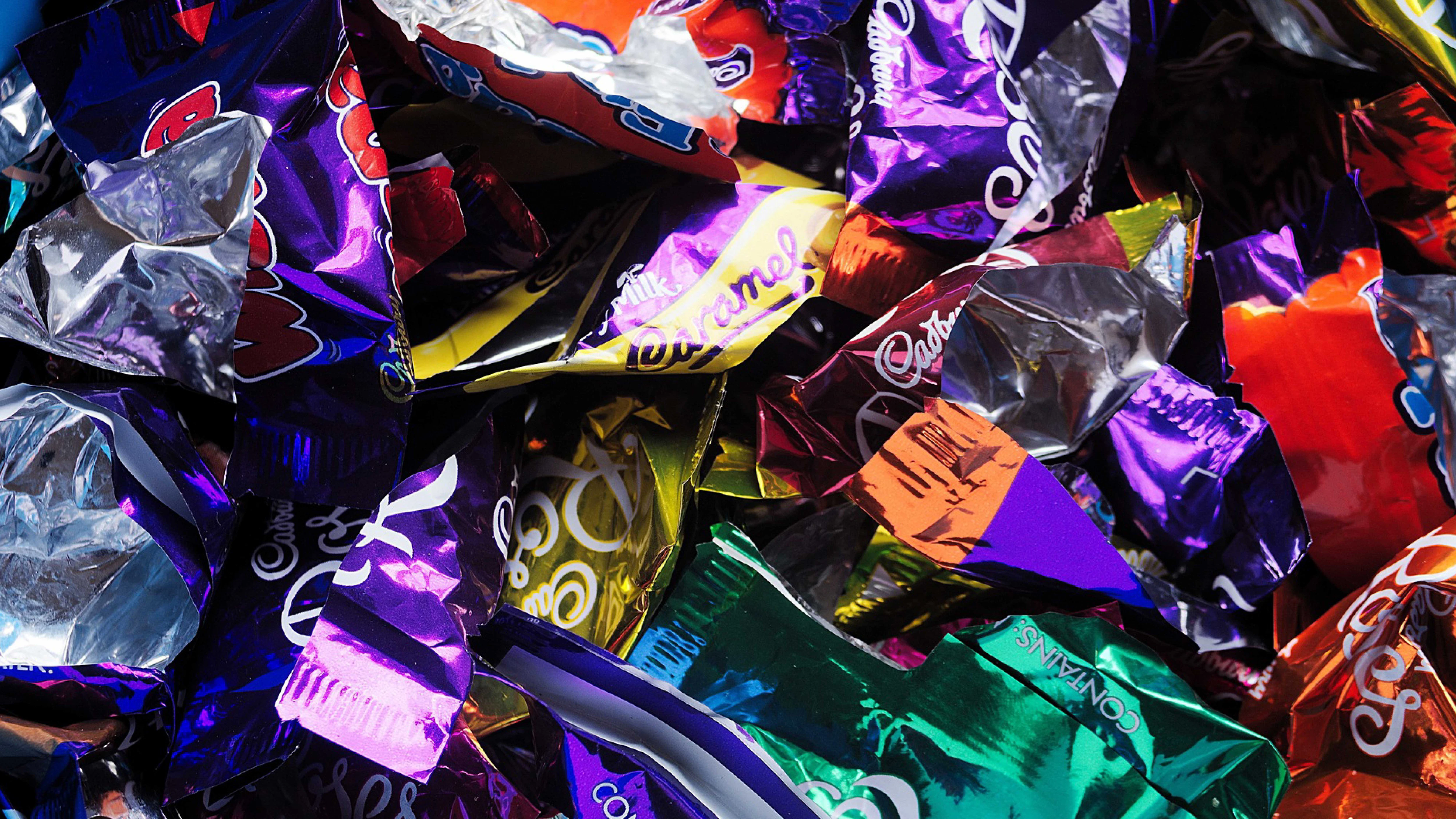
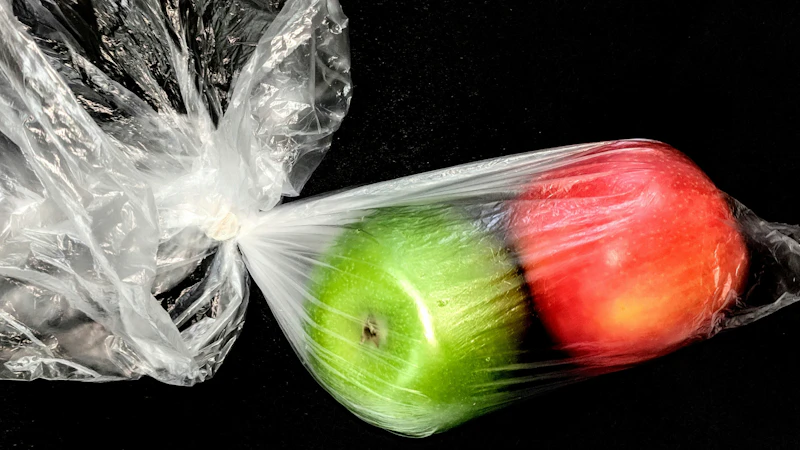
For flexible plastics, this means businesses can collect items such as plastic carrier bags, bread bags, plastic film, bubble wrap, sweet wrappers, crisp wrappers, and cling film. PVC is not accepted, and material quality still matters. Keeping the stream as clean as possible is essential, because contamination can quickly make an already challenging recycling process even harder.
Circular Box

From Soft Plastics to Storm Board

Once collected, the flexible plastics are sent to our specialist recycling partner. Through our friends at MyRefactory, the material can be transformed into Storm Board: a durable, weather-resistant board made from recycled plastics.

Storm Board is a practical alternative to plywood and can be used in applications such as construction hoarding, outdoor furniture, planters, bins, washroom cubicles, and recycling stations. It gives a visible, useful end market to materials that are often dismissed as “unrecyclable”. The final product helps tell a circular story: workplace plastic waste can be captured, processed, and returned as something durable and designed for real-world use. Better still, it can be recycled back through the same process at the end of its life.

The Difficult Truth About Flexible Plastics Recycling

Flexible plastics are one of the hardest packaging streams to recycle well. This is due to a mix of factors:

  • They are light, low density, and awkward to sort.
  • Many are made from mixed polymers or multi-layer structures, which makes it difficult to separate them into high-quality recycled material.
  • They can wrap around machinery, causing blockages and other problems.
  • It’s easy for these lightweight items to get mixed in with other recycling streams and contaminate them.
  • They often carry residues from food or other products that contaminate recycling.

Across the UK and Europe, the flexible plastics market remains fragile. Collection is improving, and legislation is pushing the sector in the right direction, but infrastructure and end markets have not developed at the same pace. There is still limited UK-based capacity for sorting and reprocessing these materials, and demand for recycled flexible plastic outputs can be weak compared with other, higher-value streams.

This creates a difficult economic reality. Flexible plastics are expensive to handle, expensive to transport for the amount of material collected, and expensive to process. In many cases, there is little or no commodity value to offset those costs. Unlike cardboard, metals or some rigid plastics, flexible plastics do not usually generate a strong rebate. The system therefore has to be funded properly if the material is going to be recycled responsibly.

Why Does the Circular Box Cost More Than Other Services

The Circular Box is more expensive than standard recycling collections because it is not a standard recycling stream. The price reflects the full service required to make the process work: the box itself, delivery, collection, transport, sorting, quality control, specialist reprocessing, and the creation of a usable recycled product.

It also reflects the reality of today’s market. When a material is technically difficult, low value and lacking mature infrastructure, the cost of doing the right thing is higher. That does not mean the service is inefficient. It means it is honest. Rather than relying on vague claims or sending material into uncertain markets, the Circular Box is designed around traceability, segregation, and a defined outcome.

For businesses, this distinction matters. Paying slightly more for a specialist service can help avoid misleading or spurious recycling claims, reduce reliance on general waste, and support the development of better recycling routes for materials that urgently need them.

Looking for Flexible Plastic Recycling for Your Business?

Get a flexible plastic recycling service tailored to your business. Our expert team will help you recycle more, waste less, and achieve your sustainability targets with a hassle-free collection service.

A Practical Step Towards Circularity

Flexible plastics recycling is not perfect, simple or cheap. But that is exactly why services like the Circular Box are needed. They create a route for materials that would otherwise be lost, support specialist UK recycling partners, and help build demand for products made from difficult-to-recycle plastics.

The best solution will always be to reduce unnecessary flexible plastics wherever possible. But where these materials still exist in the workplace, they should be captured properly and given the best possible chance of becoming something useful again.

Recorra’s Circular Box gives businesses a clear and credible way to do just that: turn flexible plastics from a waste problem into something new and valuable.