About The Client
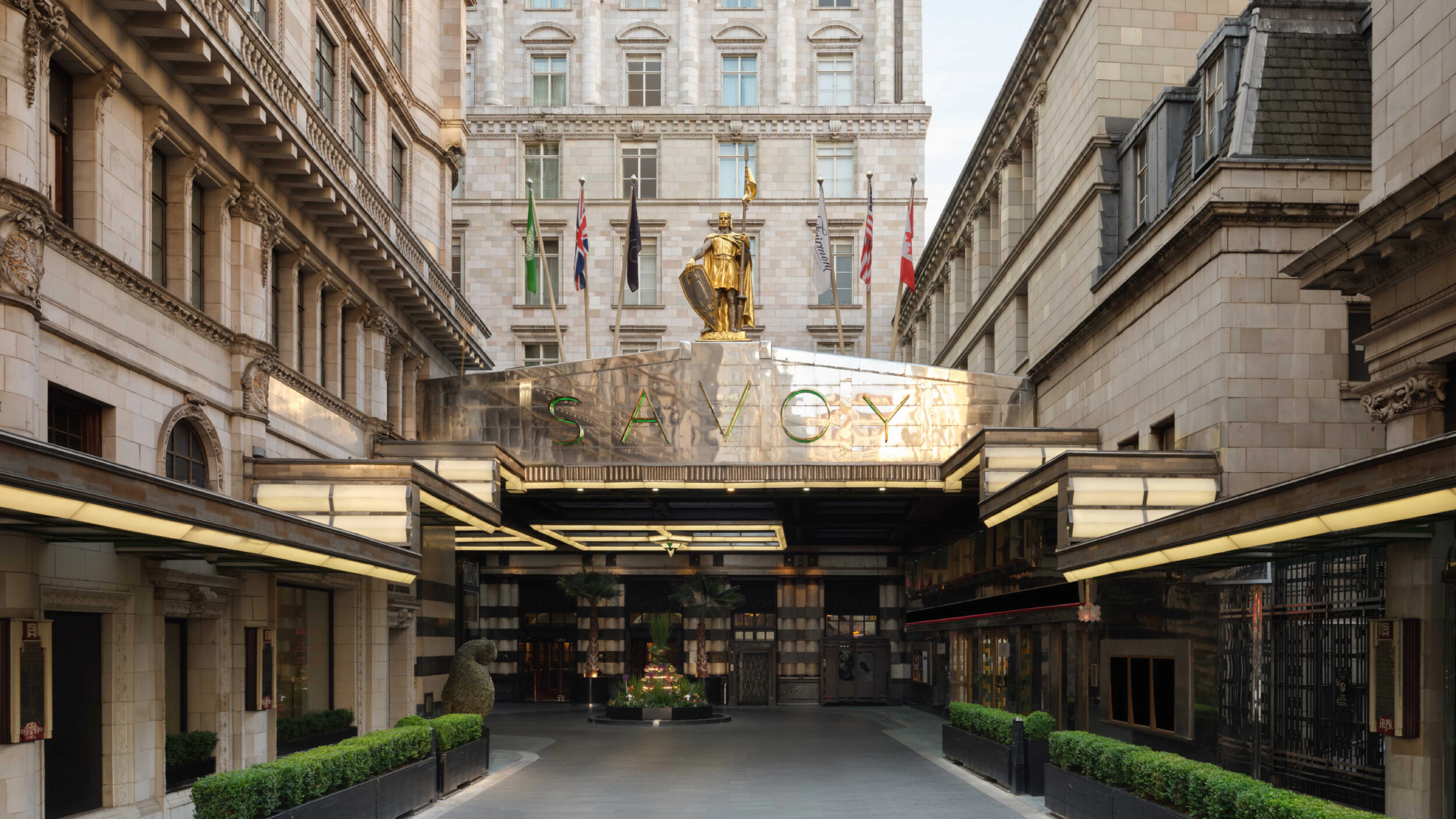
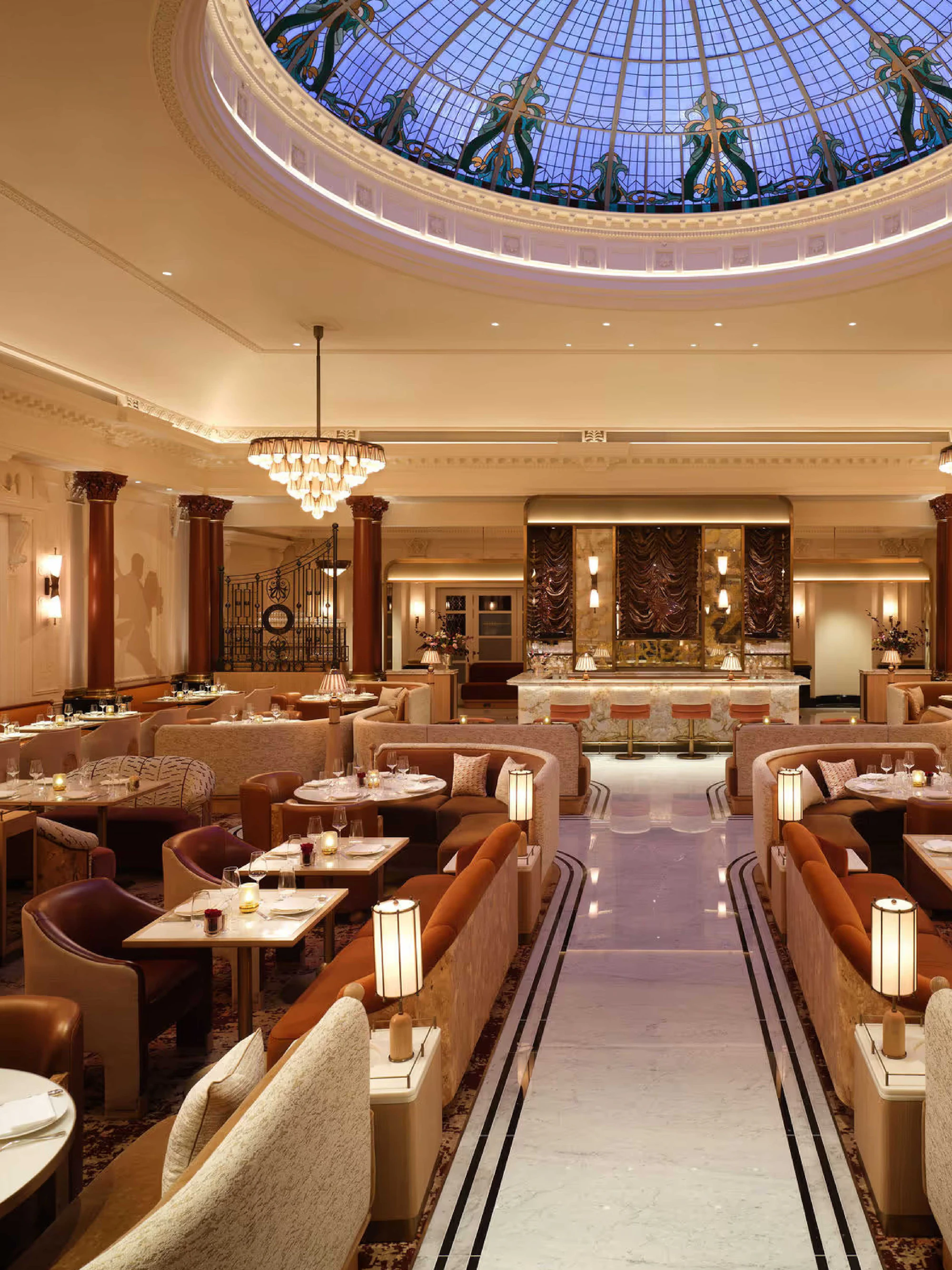
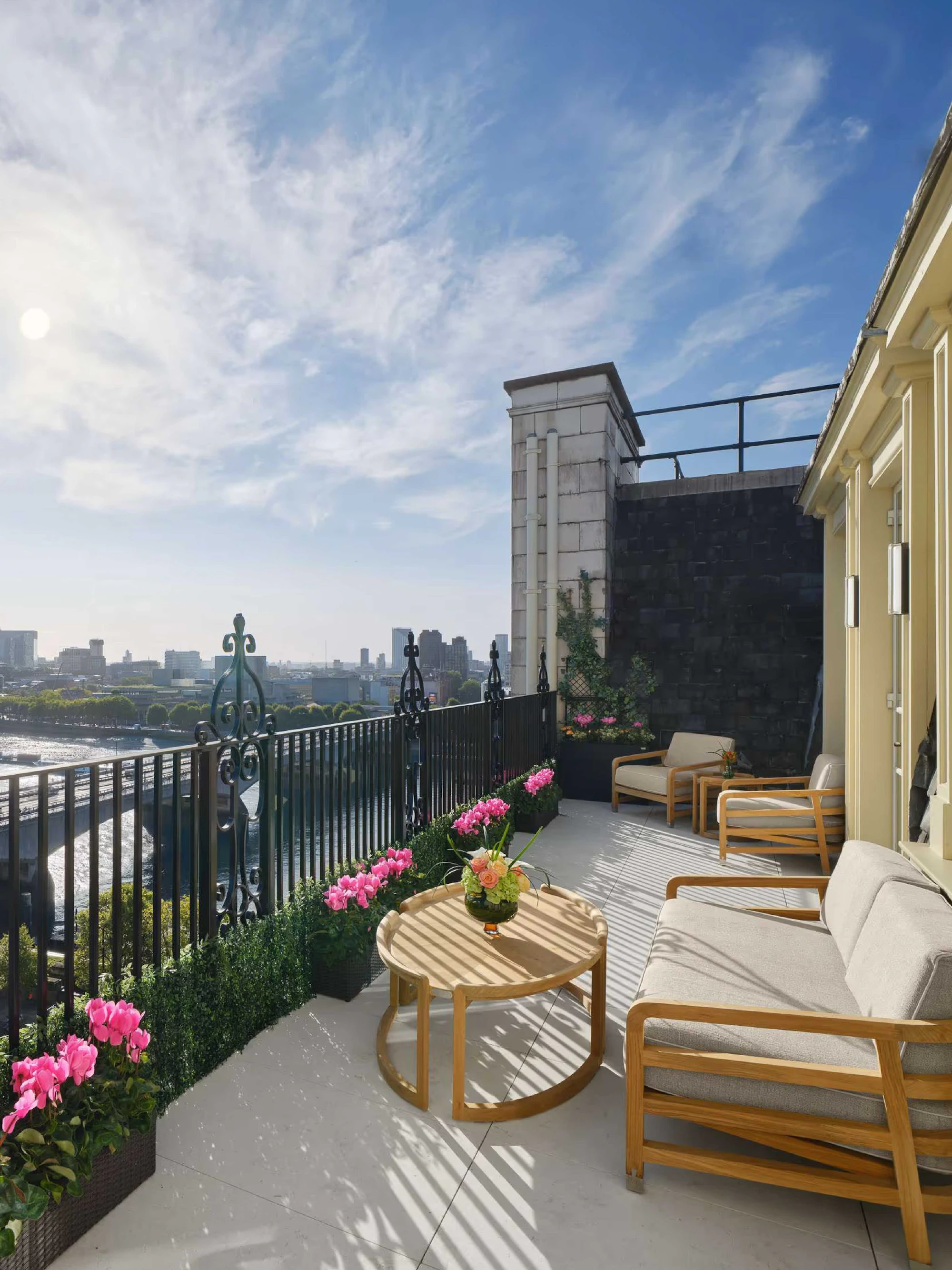
Located in the heart of the Strand, the Savoy is synonymous with sophistication. For over a century it has hosted the world’s famous and fashionable, from Marilyn Monroe, to Frank Sinatra. Today, guests still come to taste the finest in hospitality and luxury, with a preference for privacy over publicity.
Our Client's Challenge
When Recorra’s team arrived at the Savoy, they were struck by the fact that this world‑class service was being delivered despite the challenge of a very small waste room. The restricted loading bay and bin store presented clear limitations. A waste compactor was in place and waste segregation was outsourced, which worked operationally, but constrained how much could be achieved on site.
Recorra sought to find a new solution that could increase recycling rates and reduce contamination while maintaining continuous collection success. To do this, the team used their flagship creative approach to recycling, following the three-step ‘3D’ process.

Our Solution
Recorra sought to find a new solution that could increase recycling rates and reduce contamination while maintaining continuous collection success. To do this, the team used their flagship creative approach to recycling, following the three-step ‘3D’ process.
Services Provided


The Process
Design
Recorra’s first step was to send in our team of graphic designers. With exact measurements of the waste room and photographs of the loading bay, we used imaging software to create a digital replica of the hotel’s bin store. These digital models allowed them to test different waste management systems in a sandbox environment.
Discover
Using waste production data, the team at Recorra modelled alternative systems that allowed for a higher level of material segregation. After some experimentation, they landed on a specific combination of wheelie bins and waste equipment made sense for the space. This solution also meant that collections could take place on regular collection vehicles, simplifying operations.
Deploy
Recorra deployed the new system rapidly, ensuring limited operational disruption. While building management was initially worried that they would need collections twice daily, they found that the compacting power of the recommended bin press was sufficient to keep it down to one. With this more effective way of ensuring material segregation, they could move onto their higher aim of increasing recycling rates.
Achievements
Recorra’s three-step appoach to reimagining waste meant the Savoy found a solution to achieve material segregation in a tiny space, all while reducing the number of vehicle movements and resulting carbon emissions.