


The Visibility Gap: Why the Next Five Years of Resource Management Will Be Won on Data
Why the next five years of resource management will be won on data. By James George, Head of Product, Innovation & Circularity at Recorra.
We provide reliable offensive waste disposal for healthcare providers and care organisations across London and the South East. Our scheduled offensive waste collection service covers non-infectious, non-hazardous waste that’s unpleasant to handle but carries no risk of infection, with expert support to help you segregate it correctly and stay compliant.


Our yellow and black striped tiger sacks are the standard container for offensive waste, making it easy to spot and keep separate from other waste streams.
Contact Us

We offer a range of wheeled bin sizes to hold your offensive waste ready for collection.
Contact Us










Our offensive waste disposal service takes care of non-infectious, non-hazardous waste that may be unpleasant to handle but doesn’t carry a risk of infection. Sorting it correctly keeps your site safe and compliant.

Order
Order our colour-coded offensive waste tiger sacks, including seals, along with offensive waste bins to suit your site ready for collection.

Transfer
Once the sack is full, tie it closed and seal it with a waste tie. Place the sealed sack in your lockable offensive waste wheeled bin, ready for collection.

Collection
Our team will carry out your offensive waste collection on agreed days and empty the bin for onward treatment. The bin will stay on site for continued use. We can also arrange for these bins to be exchanged for clean sanitised bins.

Offensive waste, also known as hygiene waste, is non-infectious, non-hazardous waste that may cause offence because of its smell or appearance. Examples include nappies, incontinence pads, sanitary products, and disposable gloves and aprons from non-infectious patients or clients. It is most commonly produced by healthcare settings, care homes, nurseries, beauty and tattoo businesses, and commercial washrooms.
Offensive waste must be kept separate from infectious and general waste. Correct segregation is the foundation of compliant offensive waste disposal. It protects staff and the public, keeps your business on the right side of waste regulations, and costs less than disposing of infectious waste.
No. Offensive waste disposal requires segregation from general rubbish, with collection by a licensed waste carrier. Placing offensive waste in general waste bins can breach your duty of care and may lead to regulatory non-compliance.
Offensive waste is placed in yellow and black striped bags, commonly known as ‘tiger sacks’. This distinctive colouring makes offensive waste disposal easy to identify and keeps the waste separate from other waste streams.
Offensive waste is non-infectious waste that may cause offence because of its smell or appearance. Common examples handled through offensive waste disposal include:
It depends on how much waste your business produces and how long you can safely store it. There is no legal time frame for collection, but you have a duty of care to make sure offensive waste does not become a hygiene or health risk. Many businesses use daily or weekly scheduled collections, while quieter settings may prefer fortnightly or monthly. We can tailor the frequency of offensive waste disposal collections to your needs and preferences.
The main difference is whether the waste is infectious. Offensive waste is non-infectious waste that may cause offence because of its smell or appearance, such as nappies and sanitary products. Clinical waste is waste that poses a risk of infection or contains hazardous materials, such as sharps, infectious bodily fluids, and pharmaceutical waste.
Because the risks differ, the two must be handled separately. Mixing the two can lead to higher costs and may breach your duty of care, so it is important to segregate your waste correctly at the point it is produced. If you are unsure which category your waste falls into, speak to our team and we can advise on the right offensive waste disposal or clinical waste solution for your business.

Reliable Service
Over 6,000 businesses throughout London, Sussex and Kent trust us to handle their business waste management needs.

Local Expertise
With depots in London, Brighton, and Hastings, over 90% of our customers fall within a 50-mile radius of our operational hubs.

Personal Support
No call centres, long wait times, or chasing - guaranteed. Just real people standing by to help and make sure your service runs smoothly.

Smart Reporting
Our online portal gives our clients accurate data on waste outputs, with 24/7 access to waste statistics, billing, and services, all at the click of a button.

Sustainability First
From low-carbon collections to innovative reuse and recycling technology, we deliver real recycling solutions that help organisations cut carbon and champion the circular economy.

Award Winning
More than 30 industry awards reflect our commitment to sustainable business waste management and recycling.

Offensive Waste Disposal Near You
Join the recycling revolution
Enter your postcode to get started
Why the next five years of resource management will be won on data. By James George, Head of Product, Innovation & Circularity at Recorra.

Recorra is proud to sponsor Hitchin Belles FC, supporting girls and women to thrive through grassroots football.
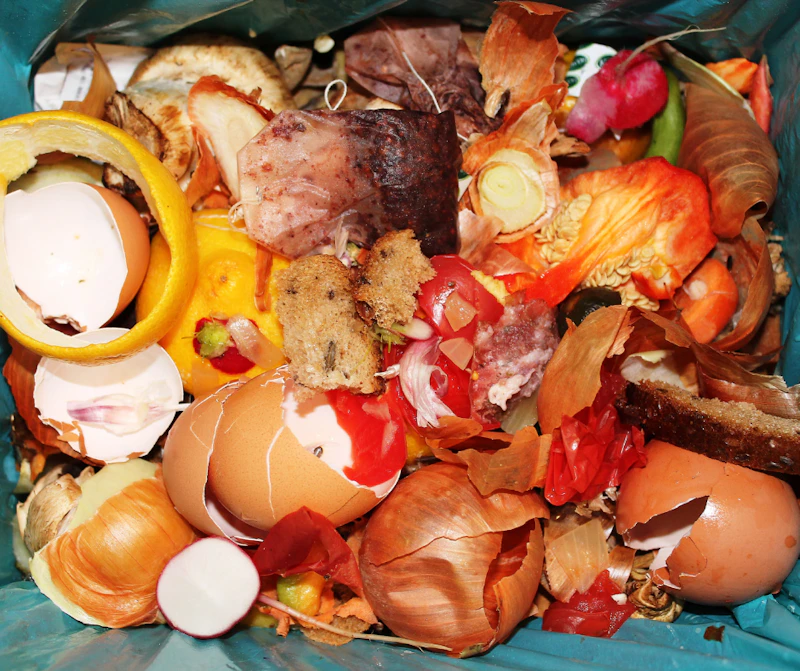
Discover how effective food waste collection can help your business reduce waste, recover valuable resources and manage food waste more sustainably.
