










Dry Mixed Recycling vs General Waste: Which Option Saves Businesses More Money?
Discover how dry mixed recycling can help businesses reduce waste costs, improve recycling rates, and find a more cost-effective alternative to relying on general waste.
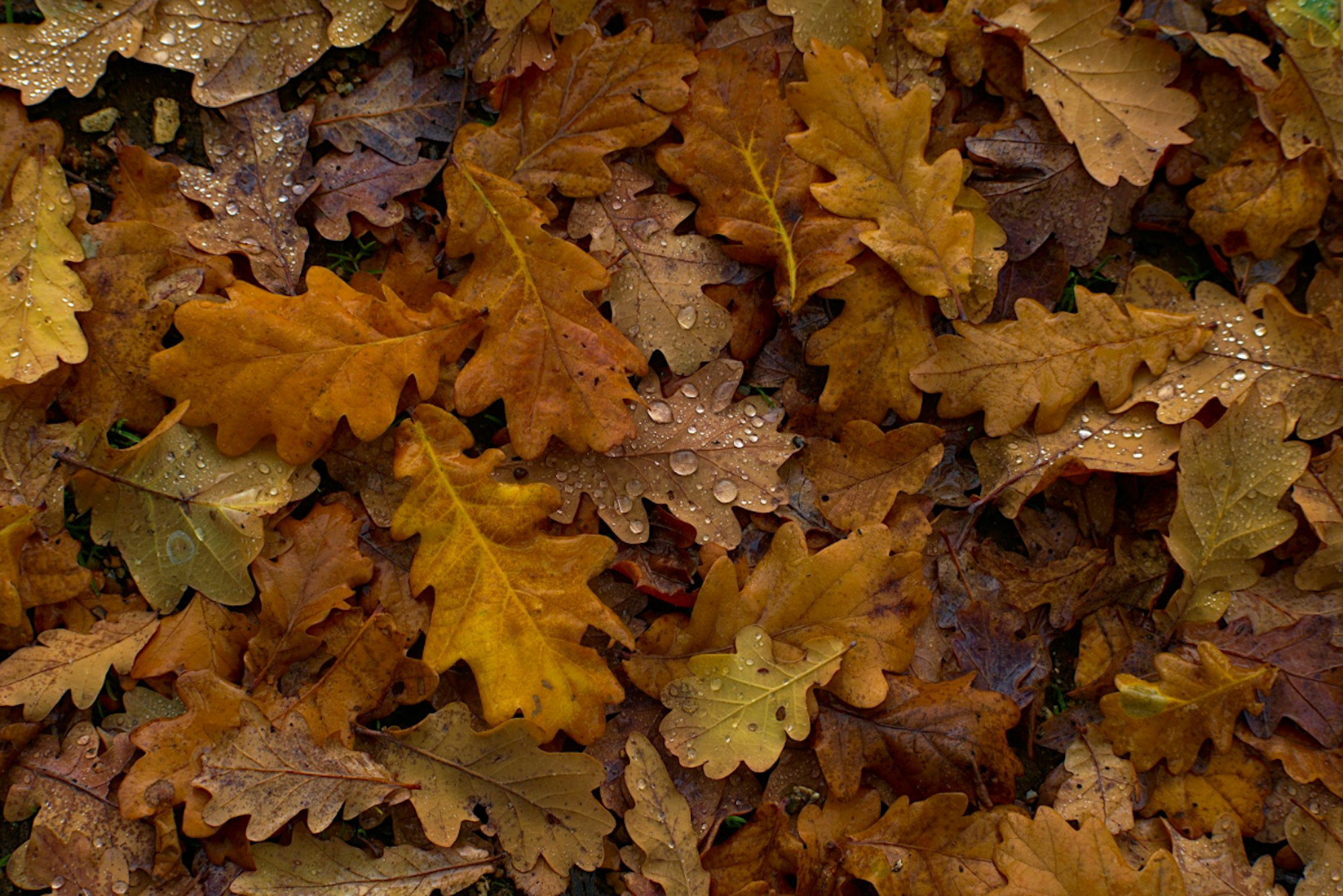
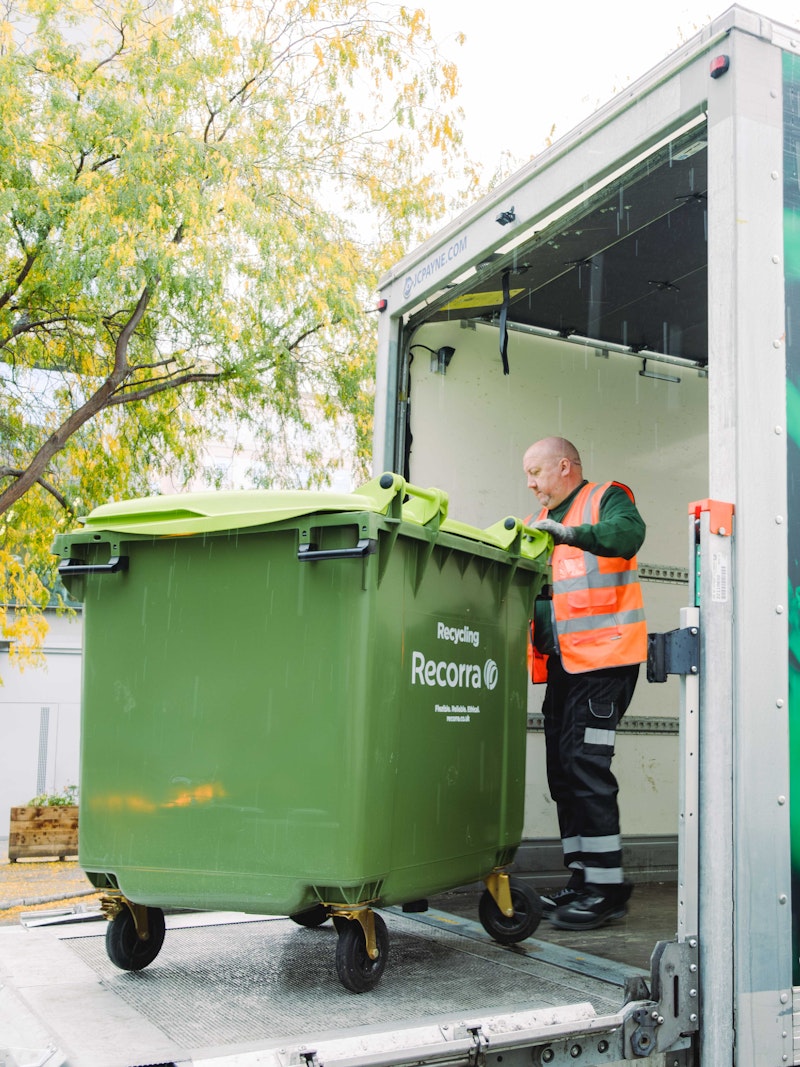
Our dedicated green waste collection service is designed for businesses that produce organic waste, such as garden clippings and leaves. We ensure that your green waste is collected efficiently and delivered to our service partners, who use it to create chemical-free compost.
Enter your postcode to get started
We offer a range of containers in various sizes to hold your commercial green waste.
Join the recycling revolution
Enter your postcode to get started
Green waste refers to organic material from gardens, parks, and landscapes, including grass clippings, leaves, tree branches, hedge trimmings, and more.
Green waste is taken to a composting facility, where it is broken down into compost or mulch. These materials are then reused in landscaping, gardening, and agriculture.
No, food scraps should be recycled with your food waste stream. Green waste bins are strictly for garden waste only.
Yes, please ensure the lid of your green waste bin closes completely and that the bin is not overfilled. Overweight or overflowing bins may not be collected.
Discover how dry mixed recycling can help businesses reduce waste costs, improve recycling rates, and find a more cost-effective alternative to relying on general waste.
Discover what good commercial food waste recycling in Central London looks like for hospitality businesses, including compliance, challenges and best practice.
Assess how effectively your business is managing dry mixed recycling with this practical checklist designed to reduce contamination and improve recycling rates.