
Supporting Local Communities Through Sport: Recorra and Hitchin Belles FC
Recorra is proud to sponsor Hitchin Belles FC, supporting girls and women to thrive through grassroots football.
Log in to your account to view
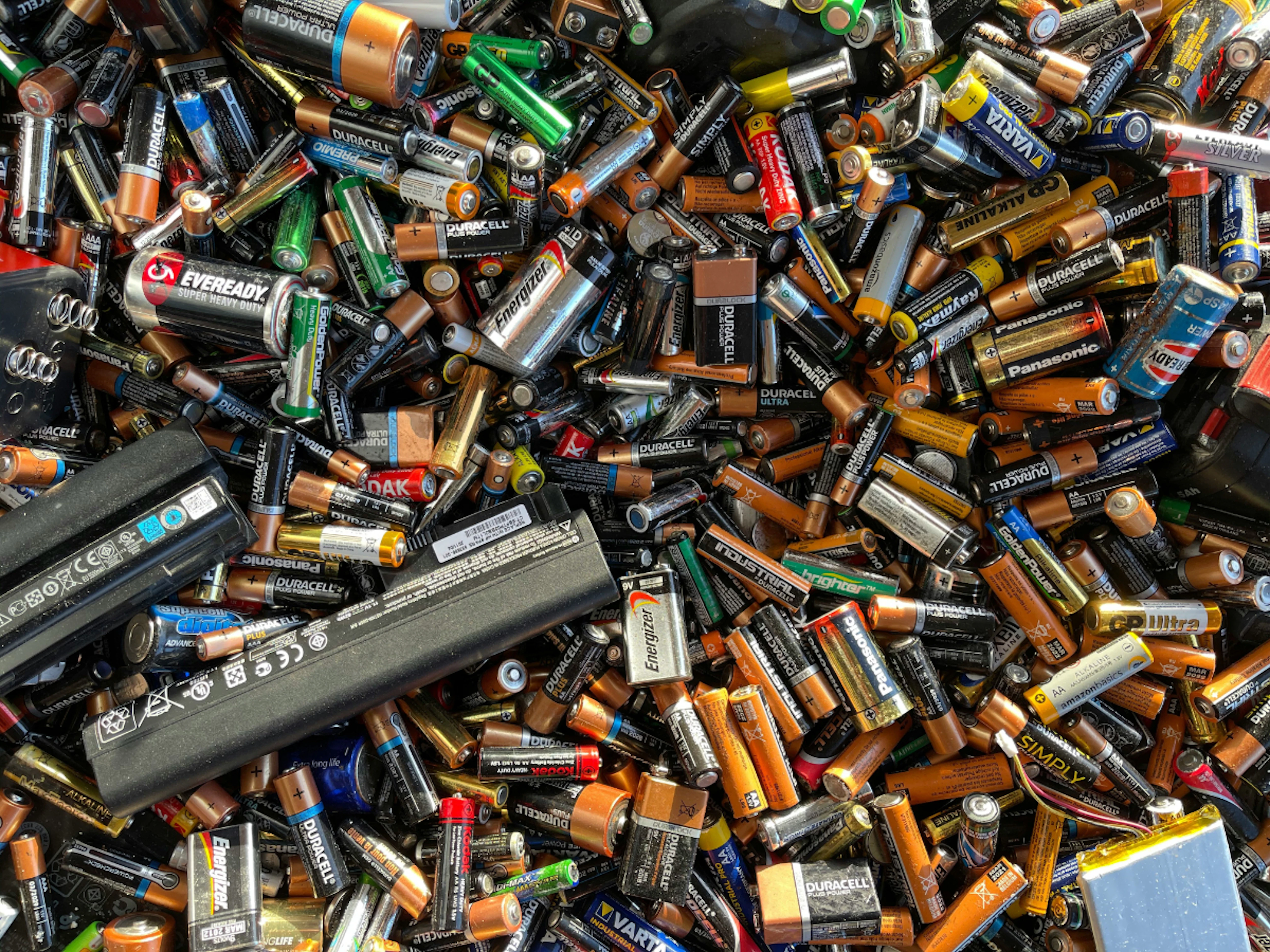
Batteries and vapes contain materials that require specialist handling and recycling. When disposed of in general waste or mixed recycling, they can pose a serious fire risk if crushed, punctured, or damaged during collection and processing. Fire incidents caused by incorrectly disposed batteries and vapes have increased significantly in recent years.
Under your duty of care obligations, it is your responsibility to ensure batteries and vapes are collected and disposed of safely. Recorra’s Batteries & Vapes Recycling helps businesses remain compliant while ensuring valuable materials are recovered.
2.3L Box
Capacity: 1kg
Size: 9cm (H) × 11cm (W) × 23cm (D)
Best for: individual desks, small offices with low volumes of batteries and vapes
10L Clear Plastic Box
Capacity: 16kg
Size: 23cm (H) × 23cm (W) × 23cm (D)
Best for: offices, schools, hospitals, workplaces requiring a clearly visible collection point
10L White Steel Box
Capacity: 16kg
Size: 23cm (H) × 23cm (W) × 23cm (D)
Best for: factories, warehouses, workshops, operational environments that require a durable collection container
10L Wall-Mounted Box
Capacity: 16kg
Size: 23cm (H) × 23cm (W) × 23cm (D)
Best for: reception areas, staff entrances, kitchens, limited floor space
Contact our Helpdesk to order a battery and vape collection container. If you’re unsure which option is best for your workplace, our team can help you choose the most suitable solution.
Agree upon a collection schedule with our Helpdesk to suit your needs. To minimise fire risk and ensure safe storage, we recommend arranging battery and vape collections at least every three months.
Once your container has been delivered, place it in a visible, easily accessible location within your workplace. For safety, it should be stored in a cool, dry area away from water sources.
Inform staff of the location and correct use of the container. You can download and print signage from the Resources section of the MyRecorra portal to help employees recycle batteries and vapes correctly.
Recorra’s Operatives will collect your batteries and vapes as agreed.
Batteries and vapes will be transported to specialist recycling facilities, where they will be sorted, dismantled, and disposed of safely.
Non‑lead batteries are separated from any vape shells and sent to specialist battery recycling facilities. Once received, they are sorted by chemistry and processed to recover valuable materials for reuse in new products.
Disposal location:
WasteCare, Unit 4-10 Atcost Road, Barking, Essex, IG11 0EQ
Lead batteries, such as those found in uninterruptible power supplies (UPS), may be tested for reuse before entering established lead-acid recycling processes.
Disposal location:
EcoBat, Crescent Works Industrial Park, Willenhall Road, Darlaston, Wednesbury, West Midlands, WS10 8JR, United Kingdom
Vapes are sent to a specialist recycling facility where they are dismantled and separated into their component parts. Valuable materials, including lithium, are recovered and recycled.
Disposal location:
GAP Group (North East) Ltd, Gap House, Nest Road, Gateshead, Tyne & Wear, NE10 0ES, United Kingdom
Batteries and vapes contain valuable, limited resources that must be mined. With Recorra, these items are recycled so that valuable materials, including lithium, copper, steel, aluminium, and other metals, can be recovered. Recycling these materials reduces the demand for raw material extraction and helps keep finite resources in circulation.
Benefits include:
Under a workplace’s duty of care, it is a business’s legal responsibility to ensure batteries and vapes are disposed of safely. Businesses must store, manage, and transfer them responsibly, using a licensed waste carrier and authorised treatment facilities. If a business fails to do so, it may be in breach of its duty of care obligations and could be liable for any resulting damage to recycling facilities or vehicles.
Several UK regulations set the standards for the disposal of batteries and vapes, including:
Vapes and e-cigarettes contain both batteries and electronic components, meaning they are classed as electrical waste. Under the WEEE Regulations, they should be collected and recycled separately from general waste and mixed recycling by approved waste carriers and sent to approved recycling facilities.
Many batteries, particularly lithium-ion batteries commonly found in vapes, phones, tablets, and laptops, contain hazardous substances and are subject to hazardous waste management requirements.
Under these regulations, hazardous waste must be stored safely and kept separate from other waste streams to prevent contamination and reduce risk.
Relevant clause – Regulation 20: Duty to Separate Mixed Wastes: “20.—(1) Where hazardous waste has been mixed in contravention of regulation 19(1), the holder must make arrangements for separation of the waste as soon as reasonably practicable, provided that such separation is technically and economically feasible.”
This regulation establishes the legal duty to keep hazardous waste, such as batteries, segregated from general waste, and to store it safely prior to collection.
Lithium-ion batteries present a significant fire risk if damaged, crushed, overheated, or disposed of incorrectly. Under these regulations, businesses are required to assess and manage fire risks within their premises.
This includes risks associated with the storage and disposal of batteries and vapes. Businesses should ensure battery fire risks are considered within fire risk assessments and that appropriate measures are in place to reduce the likelihood of ignition.
This legislation reinforces the need for safe battery storage, dedicated collection points, employee training, and regular collections.
Once used, place them in your Recorra Batteries & Vapes box or tube, ready for collection. They should be stored somewhere cool and dry, in an area where they aren’t mistakenly placed in waste or recycling bins.
Yes. To comply with your duty of care obligations, batteries and vapes should be segregated from other waste streams and recycled through an authorised collection service. This helps ensure they are managed safely, reduces fire risk, and supports compliance with waste legislation.
When batteries or vapes are placed in general waste or mixed recycling bins, they pose a serious safety risk. If crushed, punctured, or damaged during collection or processing, batteries can overheat and cause fires in vehicles, waste facilities, or recycling centres.
Batteries and vapes also contain valuable materials, including lithium and other metals, which can be recovered and used in new products. Recycling them correctly helps conserve finite resources, reduces the need for raw material extraction, and keeps potentially hazardous materials out of the wider environment.
Reusable vapes have a refillable liquid canister, which should be removed before they are put in our Batteries & Vapes boxes or tubes. Lithium and lead batteries should have their contact points taped up with electrical tape.
Battery recycling helps protect the environment, conserve valuable resources, and reduce the risk of pollution. Batteries and vapes contain materials such as lithium, lead, nickel, and other metals that can be recovered and used to manufacture new products. By recycling these materials, we reduce the need for virgin raw materials, helping to lessen the environmental impacts associated with mining and processing.
Many batteries also contain hazardous substances that can contaminate soil and water if disposed of incorrectly. Recycling ensures these materials are managed safely, preventing pollution while keeping valuable resources in circulation for as long as possible.
Want to dispose of your batteries and vapes the right way? Get an instant quote today or contact our team for a bespoke service plan that fits your business needs.
Recorra is proud to sponsor Hitchin Belles FC, supporting girls and women to thrive through grassroots football.
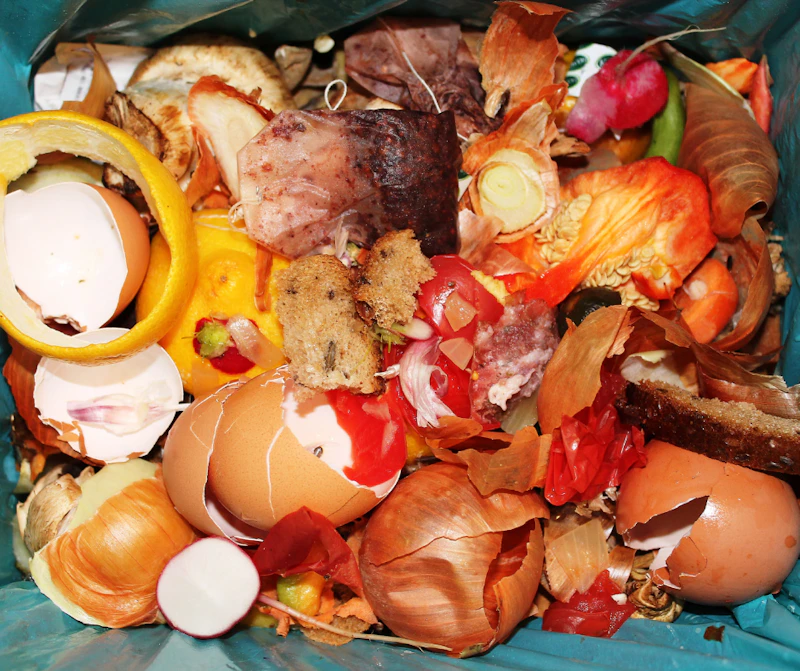
Discover how effective food waste collection can help your business reduce waste, recover valuable resources and manage food waste more sustainably.
Discover what happens to your business data when IT equipment reaches the end of its life, and why secure data destruction is essential for protecting sensitive information.
