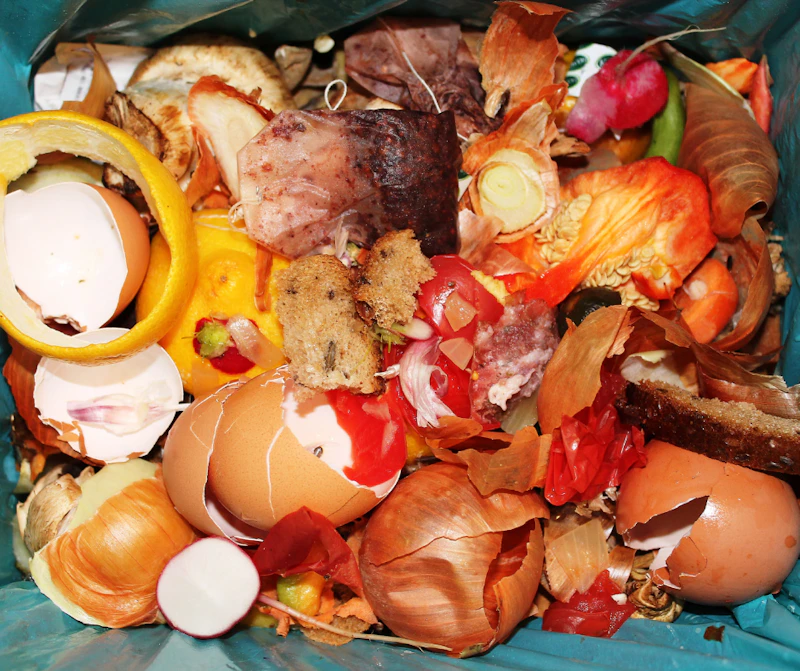
Food Waste Collection: How Businesses Can Turn Food Waste into a Resource
Discover how effective food waste collection can help your business reduce waste, recover valuable resources and manage food waste more sustainably.
Log in to your account to view
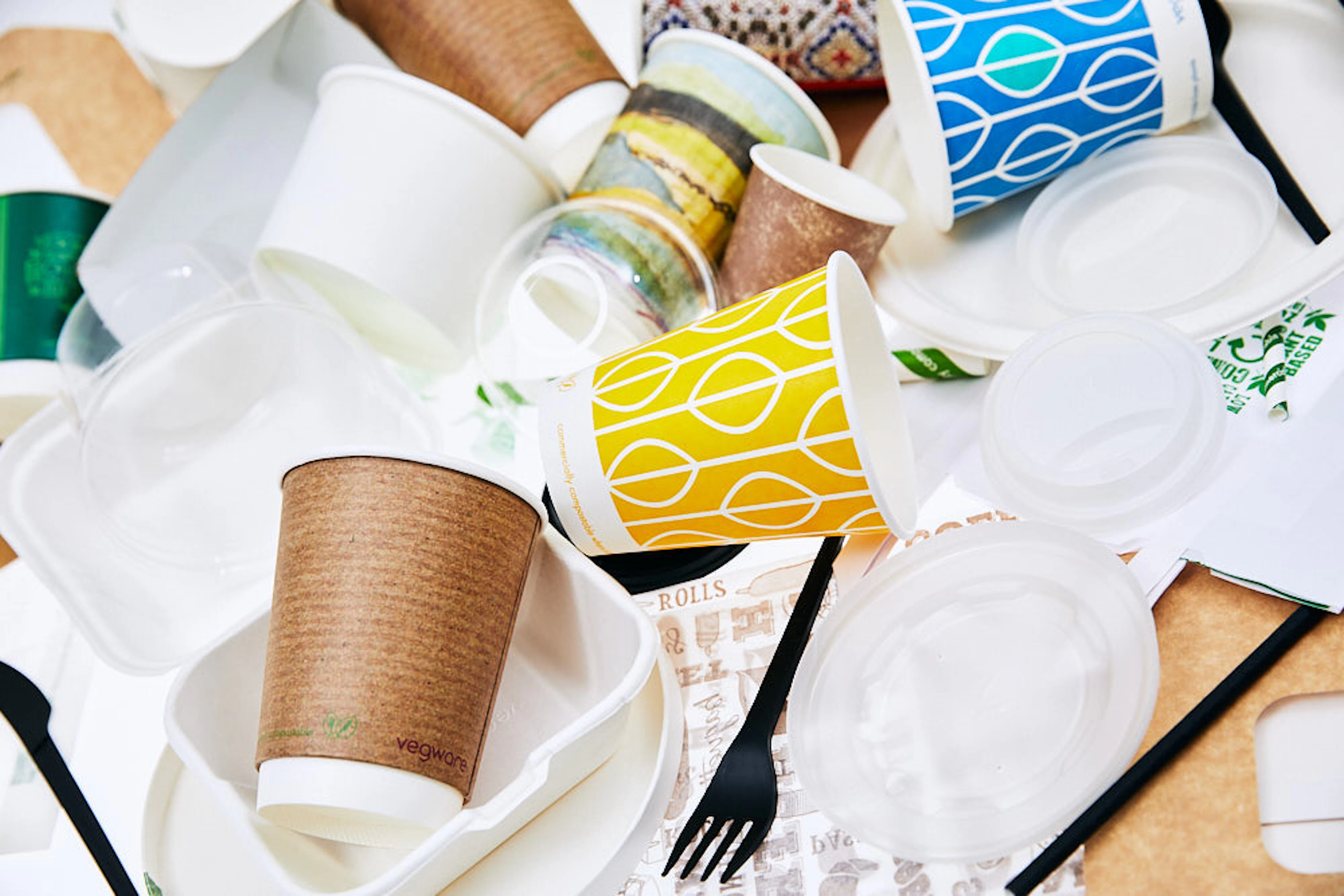
Compostable packaging is a popular alternative to single-use plastic food service containers commonly found at cafes, food stalls, and stadiums. Items include coffee cups, box containers, and disposable napkins made from plant-based materials. When disposed of correctly, compostable packaging can break down under industrial composting conditions.
Recorra’s Compostable Packaging Recycling makes sure these items are collected and processed properly. Through our service partners, they are turned into high-quality compost and fertiliser. By choosing composting, businesses keep valuable materials in use and support a circular economy with lower environmental impact.
Compostable Packaging must be certified to BS EN 13432, BS EN 14995 or ASTM 6400 standards.
Certified brands include Vegware, BioPak, Scrummi Towels, and Notpla.
Sacks
Capacity: 6kg
Size: 80L
Best for:Small to medium-sized businesses, cafes, food stalls.
Perfect for small and medium-sized businesses with low volumes of waste or limited storage space, Recorra’s colour-coded sacks are supplied by the roll. The cost of collection is included in the cost of the sack. Collections can be undertaken directly from your kerbside.
01
Contact our Helpdesk to order rolls of colour-coded sacks. Our team can help you decide how many sacks you should order at one time.
02
Agree upon a collection schedule with our Helpdesk to suit your needs.
03
Once your sacks have been delivered to your business, inform your staff of the location and proper use of your new sacks. Ensure that no more than 5% of non-compostable material is included in any sack. You can download and print signage from the ‘Resources’ section of the MyRecorra portal to help your staff sort recycling properly.
04
Recorra’s Operatives will arrive and collect your recycling on your agreed-upon schedule, from the kerbside outside your business.
05
Your compostable packaging will be sorted at our Materials Recovery Facility (MRF) and transported to our reprocessing partners to produce high-quality compost.
Disposal location
EnVar, Cheffins, The Heath, Woodhurst, Huntingdon, Cambridgeshire, PE28 3BS
Compostables are created using natural material which can decompose. They are sent to our processing partner, Envar, in Cambridgeshire, where it is transformed into nutrient-rich compost through in-vessel composting (IVC).
The process:
Incoming materials are shredded and blended to produce a homogeneous mix for composting.
Blended materials are loaded into an enclosed bunker complete with aeration system, temperature control, and data-logging probes.
Over 7–10 days, optimum temperatures are reached (60°C). The product is then moved to maturation bays where material is left to mature further.
During maturation (7–12 weeks), the products are carefully monitored to ensure optimum temperature and moisture content.
After screening and grading, the result is a range of stabilised, nutrient-rich, peat-free compost. Compost is used in agriculture to grow crops.
Customers can purchase back compost made from compostable packaging from our Workplace Supplies arm. This can be used by commercial sites to help with landscaping and to support a circular economy.
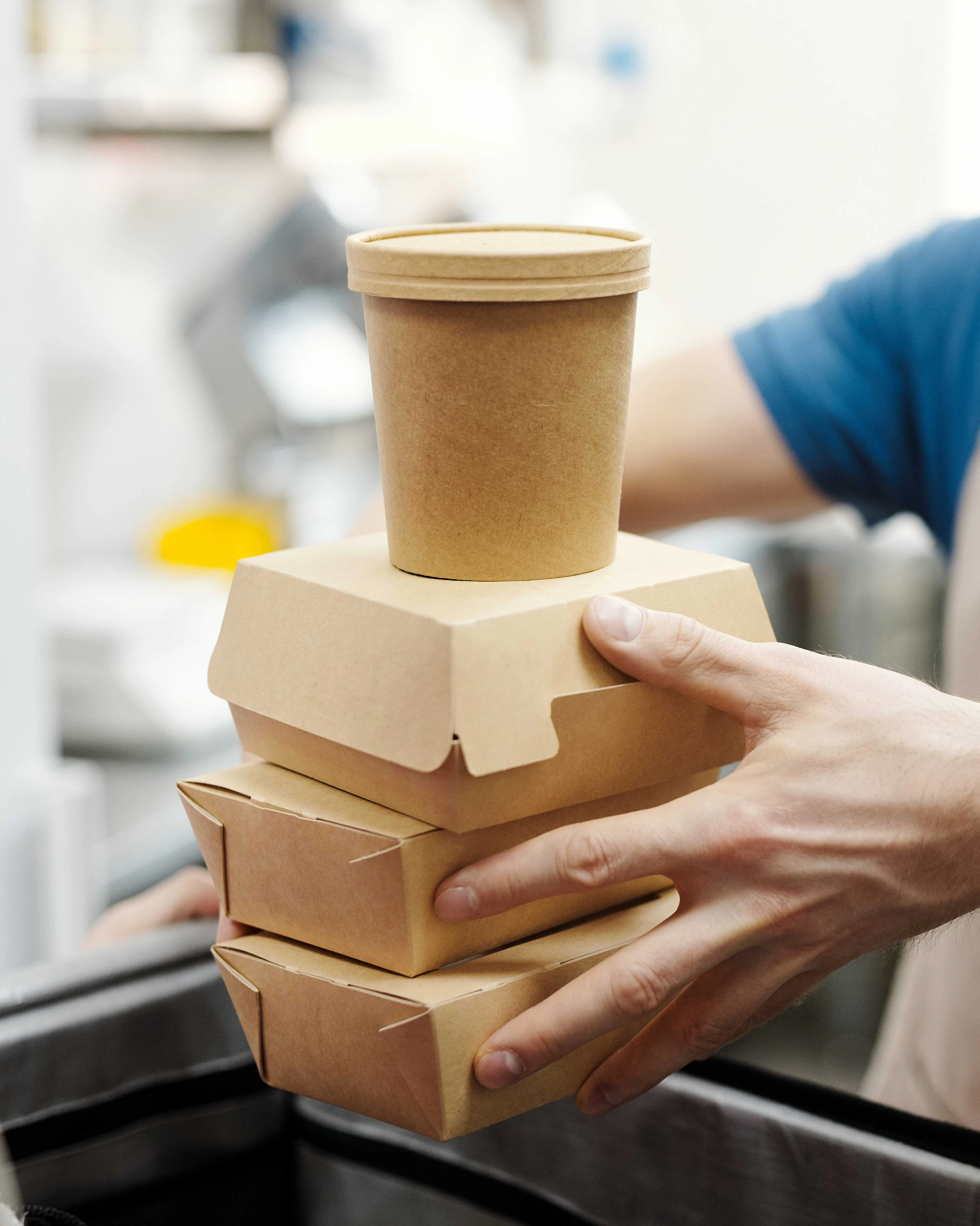
The use and correct disposal of compostable packaging supports several sustainability goals:
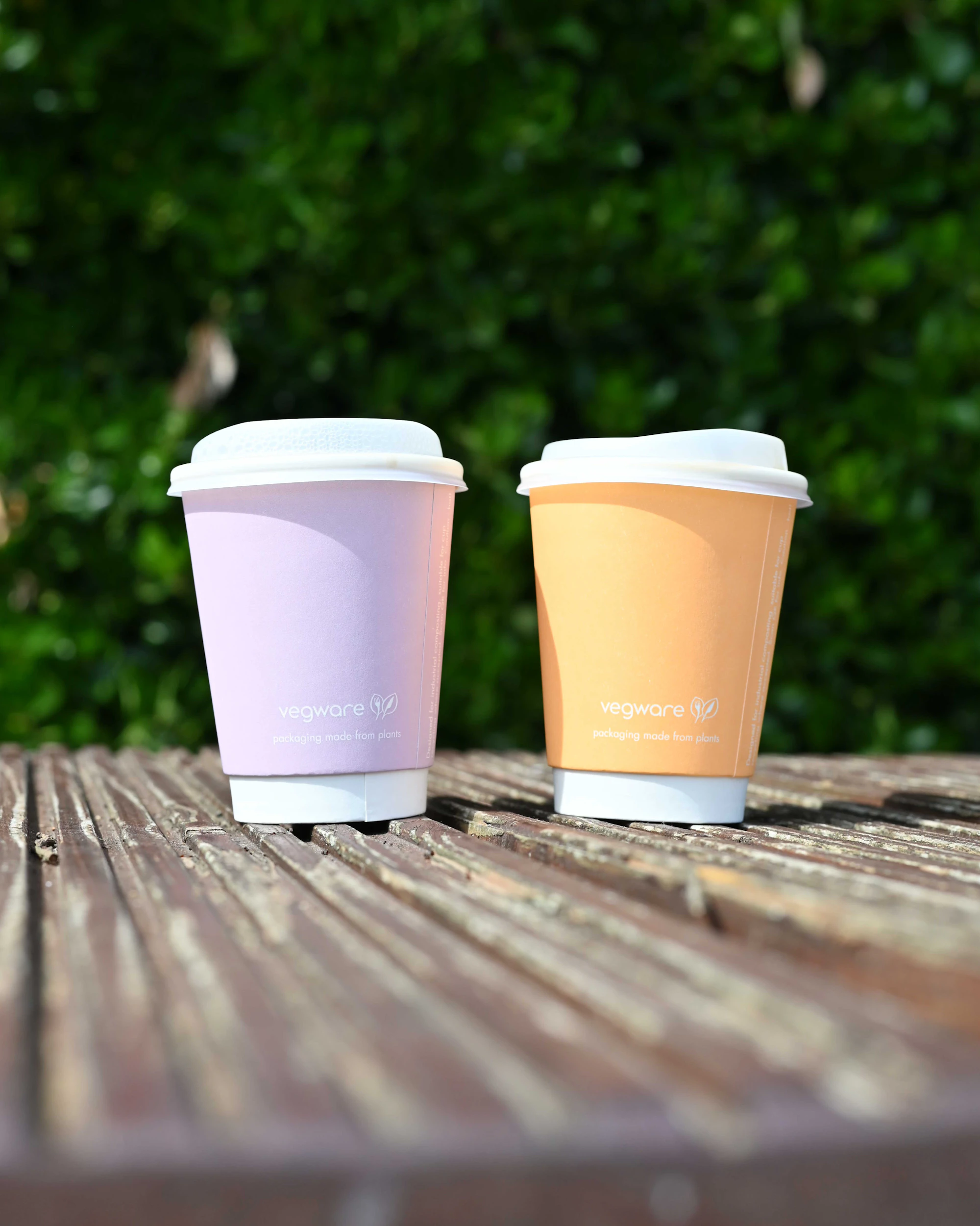

Compostable products cannot be recycled through standard recycling systems. They are designed to break down into organic matter, not to be reprocessed into new materials like plastics or metals. If placed in Mixed Recycling, compostable waste can contaminate recyclable materials.
Instead, compostables should be collected separately and sent to an industrial composting facility through a dedicated compostable packaging disposal service.
Your compostable packaging should be certified to BS EN 13432, BS EN 14995, or ASTM 6400 standards. This information should be available on the specification sheet of the packaging you purchase. They do not have to be made by the same manufacturer.
Compostable materials break down into non-toxic, nutrient-rich organic matter under specific composting conditions with controlled heat, moisture, and oxygen. They are designed to decompose fully and leave no harmful residues, and the resulting material supports soil health.
Biodegradable materials break down naturally over time, but the process is less controlled and may leave residues such as microplastics or partially degraded fragments. Biodegradable items do not always decompose completely or turn into useful compost. Biodegradable items should not be placed into Recorra’s Compostable Packaging Recycling collections.
This limit is in place to ensure the quality of the compost produced by your compostable packaging. Otherwise, compost may not be safe or effective for use in soil.
We can still compost your compostable packaging if it contains small amounts of food waste.
As much as possible, food waste and any back-of-house food waste should be collected in your dedicated Food Waste Recycling service. High volumes of food waste in compostable packaging collections can affect the quality of the resulting compost.
No, you should not use a plastic bag in your compostable bin. Regular sacks do not break down like compostable materials and will contaminate the composting process, preventing proper decomposition. Only certified compostable bags or packaging (e.g., BS EN 13432) should go in a compostable collection as part of correct compostable packaging disposal. We recommend keeping compostable materials separate from regular plastics to ensure they break down correctly and return valuable nutrients to the soil.
Compostable packaging should be placed in a designated compostable packaging disposal bin, ready for collection and processing by Recorra and our composting service partner. If the packaging is labelled as suitable for home composting, it can be added to a garden compost heap. Please note that decomposition times may vary depending on the material and environmental conditions. To avoid contamination, compostable packaging must not be placed in Mixed Recycling or General Waste. This can disrupt the recycling process and compromise material quality.
If you’re unsure about disposal, please contact our team for guidance.
Want to dispose of your compostable packaging the right way? Get an instant quote today or contact our team for a bespoke service plan that fits your business needs.
Discover how effective food waste collection can help your business reduce waste, recover valuable resources and manage food waste more sustainably.
Discover what happens to your business data when IT equipment reaches the end of its life, and why secure data destruction is essential for protecting sensitive information.
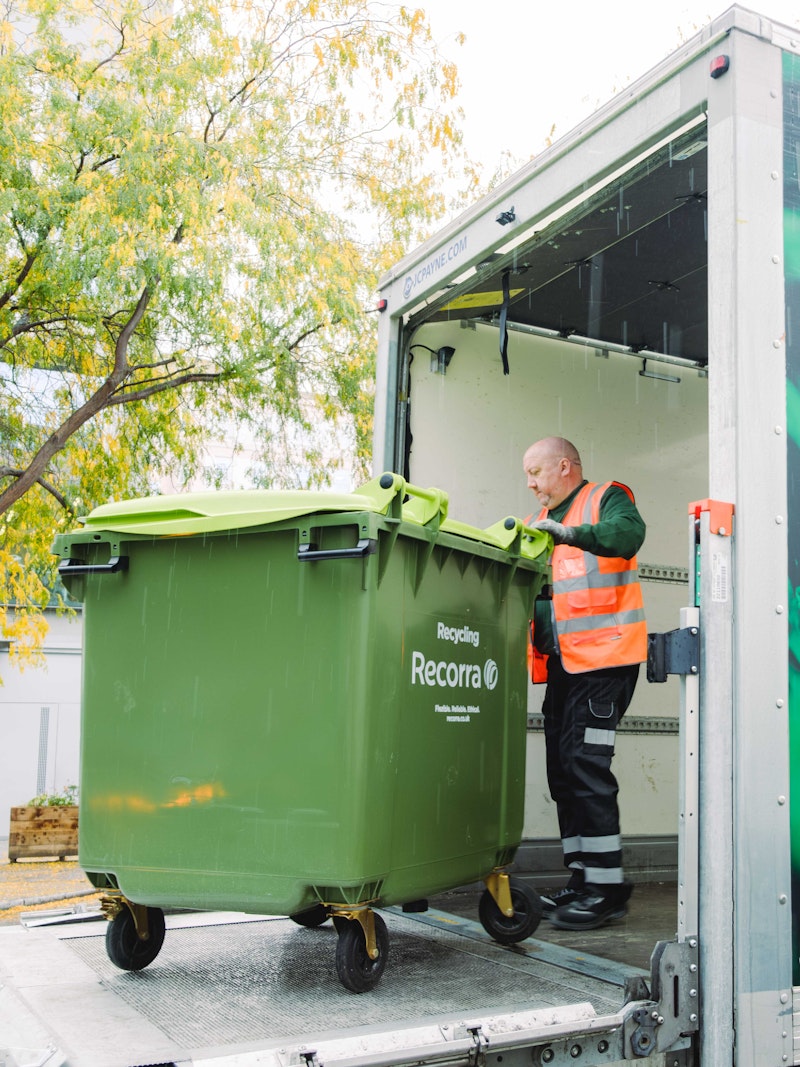
Discover 7 practical ways businesses can get more value from dry mixed recycling, from reducing contamination and improving employee recycling habits to optimising collections and using waste data to cut costs and increase recycling performance.
