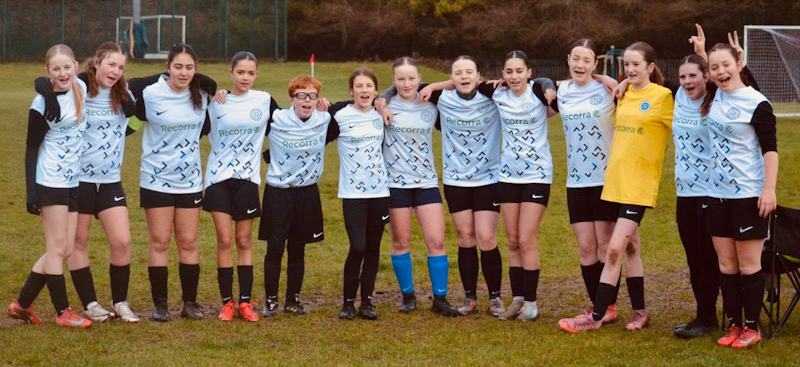
Supporting Local Communities Through Sport: Recorra and Hitchin Belles FC
Recorra is proud to sponsor Hitchin Belles FC, supporting girls and women to thrive through grassroots football.
Log in to your account to view

Mixed Recycling allows clean and dry recyclable materials to be collected together. This includes hard plastics such as drinks bottles, and metals such as aluminium cans, cartons, paper, and cardboard. As of March 2025, Simpler Recycling legislation mandates Mixed Recycling collections for organisations with 10 or more employees.
*Paper and cardboard can be recycled in Mixed Recycling, but Recorra and the government advise segregating paper and cardboard where possible. See our Stay Compliant section below for more details.
240L Wheeled Bin
Capacity: 240L (3-5 sacks)
Size: 1.07m (H) 0.48m (W) 0.56m (D)
660L Wheeled Bin
Capacity: 660L (8-12 sacks)
Size: 1.21m (H) 1.37m (W) 0.78m (D)
1100L Wheeled Bin
Capacity: 1100L (12-15 sacks)
Size: 1.35m (H) 1.37m (W) 1.08m (D)
Best for: offices, retailers, commercial buildings, multi-tenanted sites, and businesses producing medium-to-high volumes of mixed recycling
Ideal for medium-to-large businesses with storage space like a waste storage area or loading bay, wheeled bins are collected on a rota that suits your needs. Our Helpdesk will help you select a bin size and collection schedule that works for you, and our Operatives will arrive as agreed to collect your mixed recycling by tipping it into our refuse collection vehicles.
01
Contact our Helpdesk to order a 240L, 660L, or 1100L wheeled bin. If you are unsure which bin is best for your business, our Helpdesk team can help you make a selection.
02
Agree upon a collection schedule with our Helpdesk to suit your needs.
03
Once the bin is delivered, set it up in your bin storeroom or loading bay.
04
Inform your staff of the location and proper use of your new bins. You can download and print signage from the ‘Resources’ section of the MyRecorra portal to help your staff sort recycling properly.
05
Recorra’s Operatives will arrive and collect your recycling as agreed.
06
Your recycling will be sorted at our Materials Recovery Facility (MRF) and transported to our reprocessing partners to produce high-quality recycled materials.
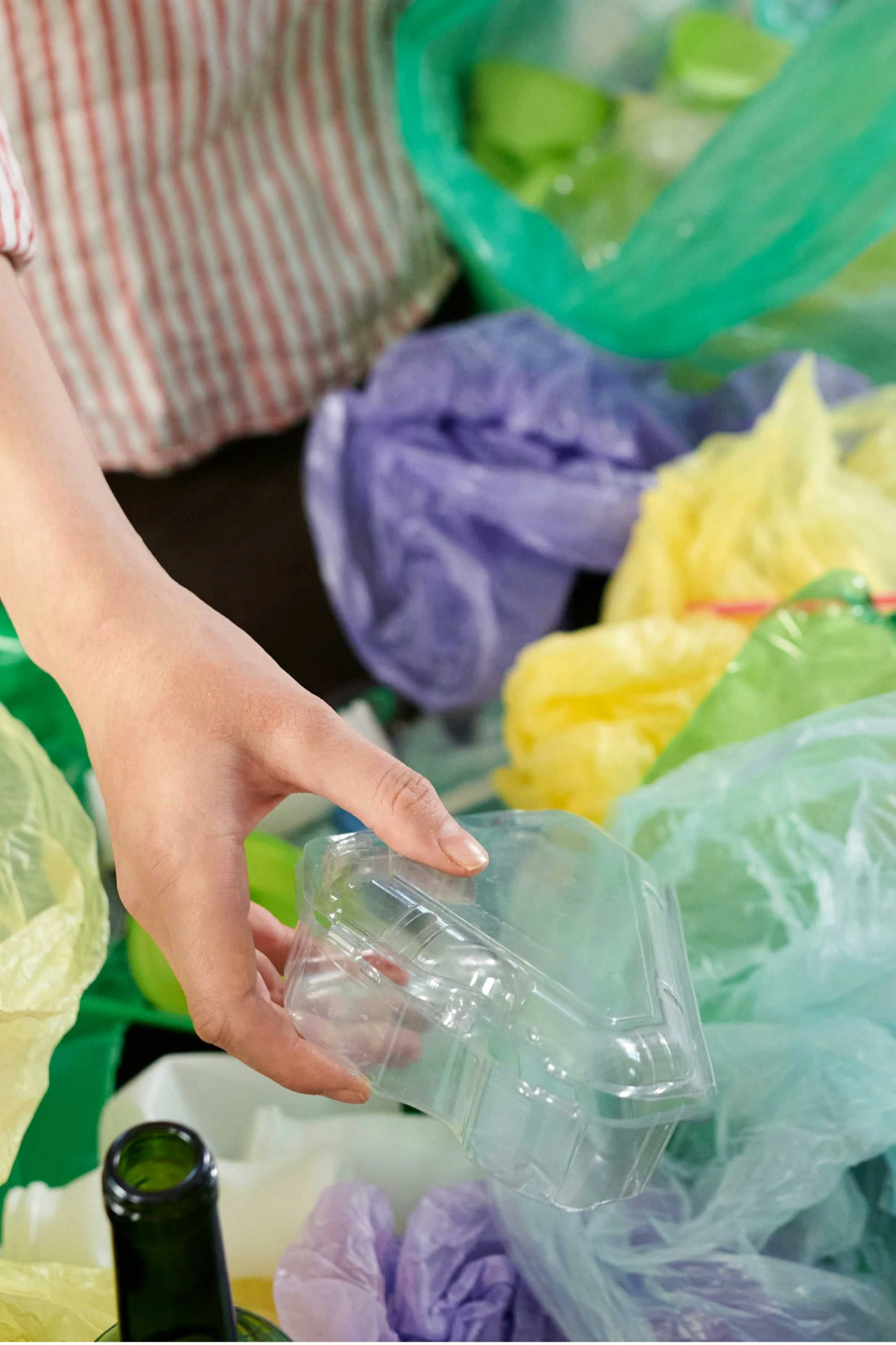
Under Simpler Recycling legislation, all businesses with 10 or more employees in the UK must have mixed recycling collections as of March 2025.
In 2027, all businesses, regardless of size, will be required to have mixed recycling collections.
The legislation aims to create consistency in the waste and recycling materials collected in the UK. By law, businesses must now:
By signing up for Recorra’s Mixed Recycling service, you’re staying compliant with the law.
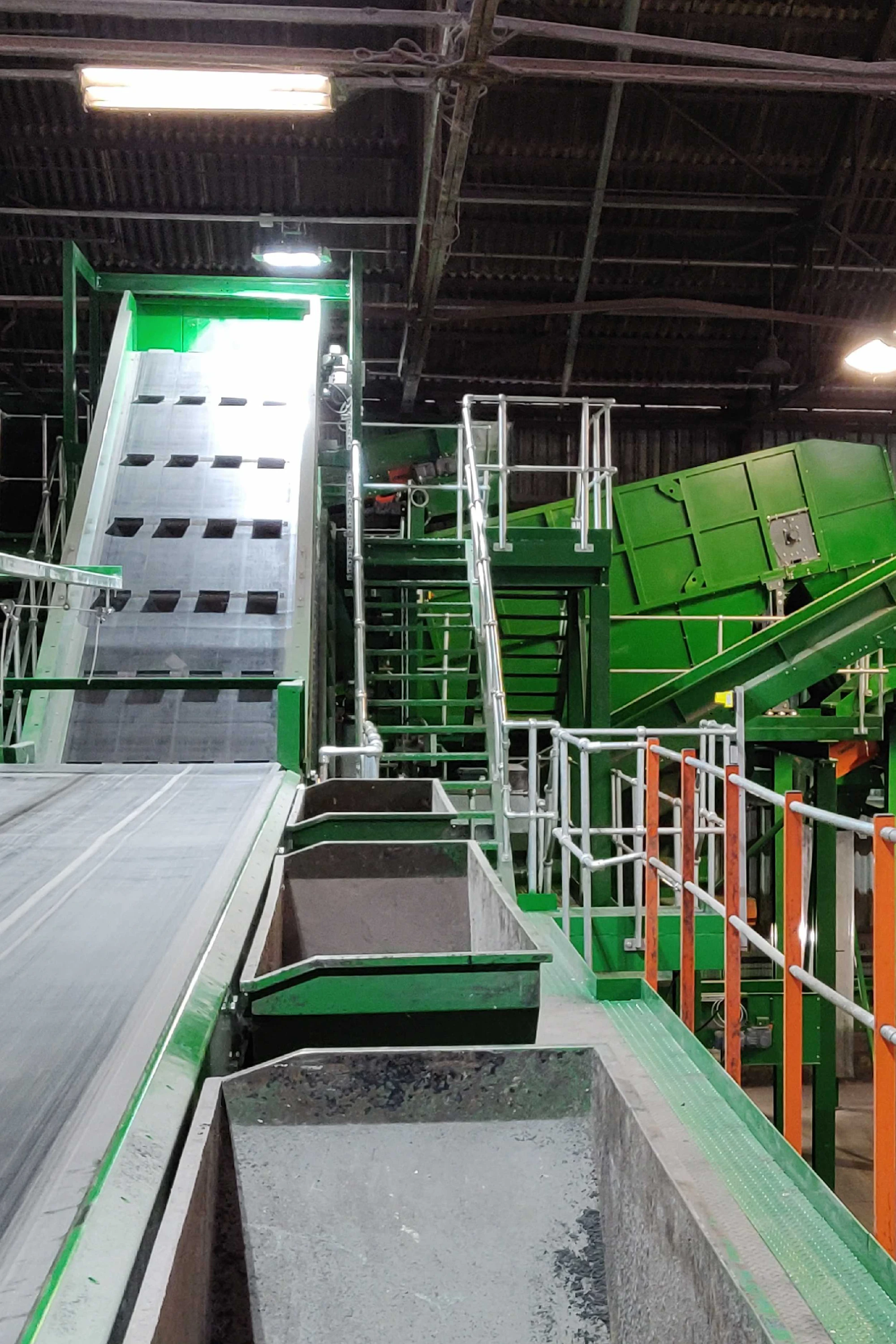
Mixed Recycling is sorted at our MRF at Purfleet Industrial Park. Your recycling goes through nine stages of sorting at our MRF to separate each material. These materials are then baled and sent to our reprocessing partners. To minimise environmental impact, 93% of our partners are located within the UK and the remaining 7% are based in the European Union (EU).
Destination by Material
Aluminium Cans
Tandom Metallurgical Group Ltd, Radnor Park Industrial Estate, Cheshire, CW12 4XE
Metals
EMR (European Metal Recycling Ltd), 13-18 Berth, Tilbury Dock, Tilbury, Essex, RM18 7EH
Plastics (PET, PP, and HDPE)
Monoworld Recycling, Sanders Lodge Industrial Estate, Rushden, Northamptonshire, NN10 6BQ
Cartons
Sonoco Alcore Environmental, Stainland Board Mill, Holywell Green, Halifax, West Yorkshire, HX4 9PY
Cardboard
Smurfit Kappa, The Mill, Snodland, ME6 5AX
Paper
WEPA Greenfeild, ZI de la Grande Borne, 02407 Château-Thierry Cedex, France
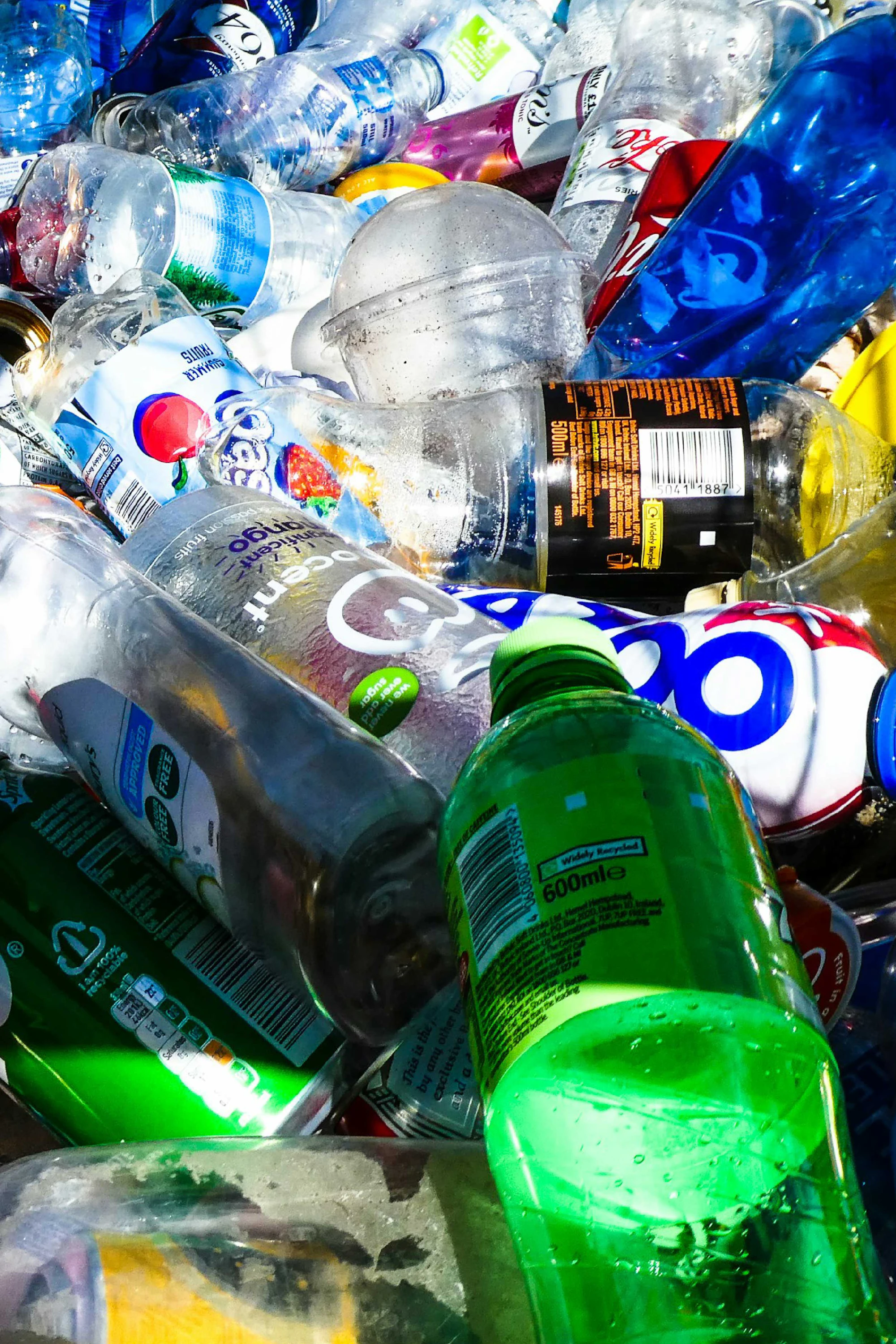
With Recorra, your recycling enters a circular system where materials are collected, sorted, and turned back into valuable resources. Instead of following a ‘take-make-dispose’ model, your recycling becomes part of a process that keeps materials in use for as long as possible. This reduces the demand for new raw materials, cuts carbon emissions, and protects natural environments.
Did You Know?
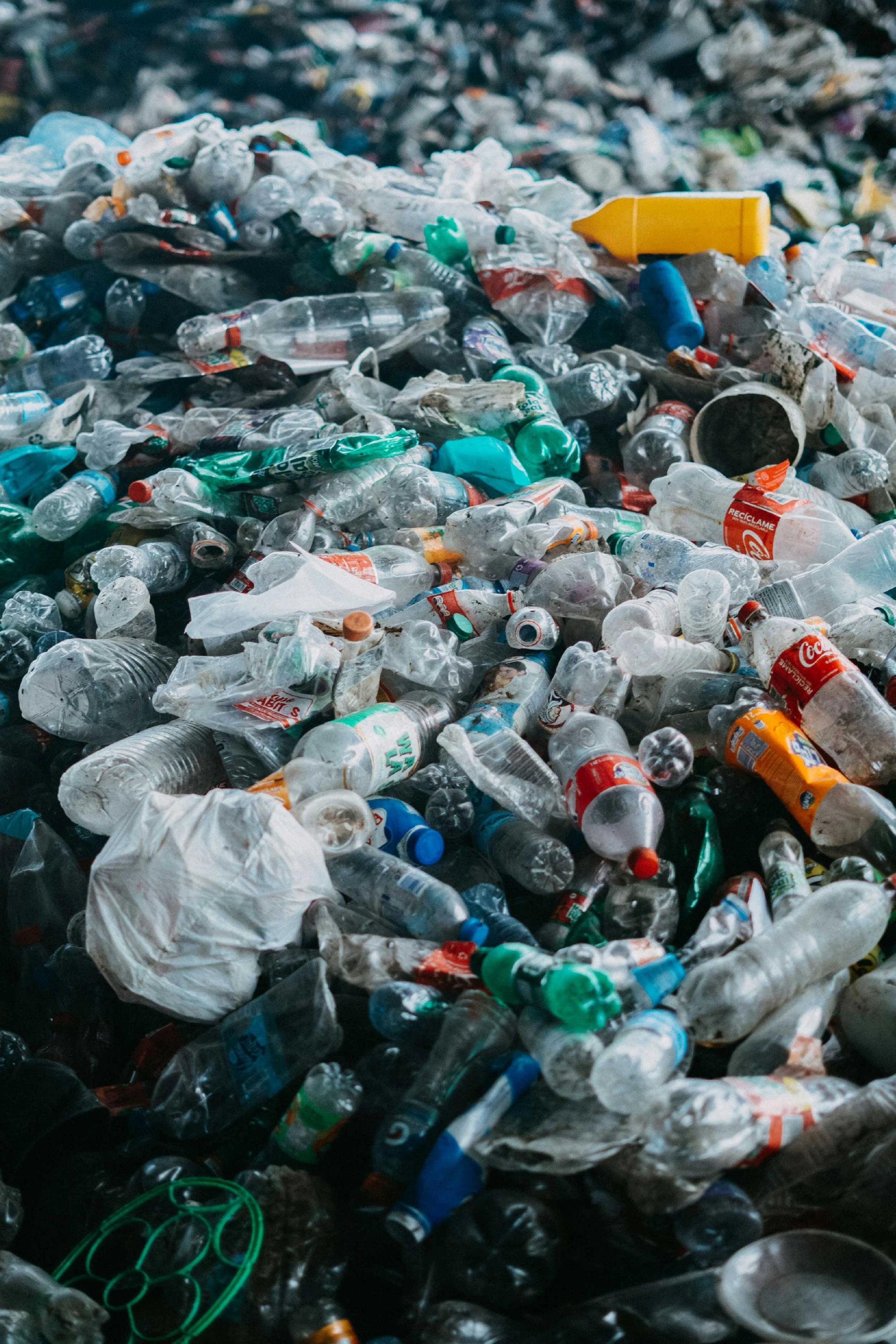
Contamination occurs when incorrect materials enter a waste collection, reducing material quality and sometimes causing entire loads of recycling to be rejected.
In mixed recycling, common contaminants include food waste, liquids, and flexible plastics. Liquids and damp food scraps are particularly damaging as they weaken paper and cardboard fibres, making them unrecyclable.
To reduce contamination, rinse and dry food containers before placing them in Recorra’s Mixed Recycling bins. Dedicated paper and cardboard collections are the most effective way to protect these materials and maintain high recycling rates. Flexible plastics belong in their own dedicated recycling stream and should be collected in Recorra’s Circular Box.
Education and clear guidance help ensure waste infrastructure is used correctly and contamination is minimised. You can access helpful posters and other educational materials on the MyRecorra portal.
Mixed recycling simplifies waste management by allowing multiple recyclable materials to be collected together. This supports higher recycling participation while reducing the amount of waste sent to landfill or energy recovery.
When materials are kept clean and dry, they retain higher quality and are more likely to be successfully recycled. This helps conserve resources, reduce carbon emissions, and supports a more circular economy.
Flexible plastics are difficult to separate from other materials in mixed recycling. They often get wrapped around and stuck in machinery used to process mixed recycling.
Instead, our Circular Box service was designed to recycle these materials, giving them a useful second life.
Black plastics usually contain carbon black pigment, which makes them invisible to the optical sorters used in recycling facilities. Because they cannot be reliably detected and separated, they are treated as contaminants and should not be placed in Recorra Mixed Recycling.
Yes, containers should be rinsed, dried, or wiped clean to remove food or grease. Leftover residue can contaminate other recyclables, especially paper and cardboard, where moisture and grease damage the fibres and reduce recycling quality.
Most coffee cups are lined with a plastic coating that cannot be processed in standard paper mill recycling facilities. They require a specialist recycling process, so they should not be placed in Recorra Mixed Recycling.
Our Coffee Cup Recycling service allows coffee cups to be recycled, and is a great choice for cafes and workplaces with high volumes of disposable coffee cups.
No, the Green Dot indicates that a financial contribution has been paid to a national packaging recovery scheme. It does not mean that the packaging is recyclable.
Paper towels contain a water-absorbent agent and can only be recycled through a specialist process. They must be separated from other materials. Recorra provides a dedicated Paper Towel Recycling service instead.
Glass can break during collection and sorting, posing a safety risk to Operatives, damaging equipment, and potentially affecting other recyclables. Having a dedicated glass collection protects the quality of paper, cardboard, and the glass itself, ensuring all materials can be recycled more effectively.
Separate cardboard recycling improves recycling quality and reduces costs. Cardboard takes up a lot of space, which can lower recycling rates. Source segregation retains the material’s value and supports more efficient and environmentally friendly recycling. The government advises this too.
Want to dispose of your mixed recycling the right way? Get an instant quote today or contact our team for a bespoke service plan that fits your business needs.
Recorra is proud to sponsor Hitchin Belles FC, supporting girls and women to thrive through grassroots football.
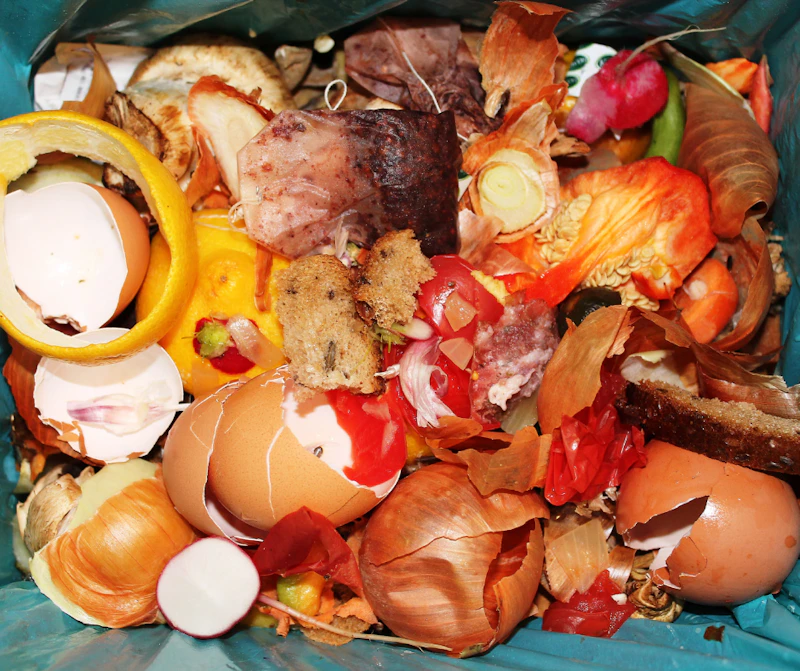
Discover how effective food waste collection can help your business reduce waste, recover valuable resources and manage food waste more sustainably.
Discover what happens to your business data when IT equipment reaches the end of its life, and why secure data destruction is essential for protecting sensitive information.
