
Supporting Local Communities Through Sport: Recorra and Hitchin Belles FC
Recorra is proud to sponsor Hitchin Belles FC, supporting girls and women to thrive through grassroots football.
Log in to your account to view

Hazardous waste can take many forms, and most businesses produce some form of it. From paints to fridges, items fall into this category when they contain substances that can harm people or the environment.
UK law requires hazardous waste to be documented with a consignment note during transport.
Your duty of care means you must ensure any waste your business produces or handles is managed safely. Understanding what qualifies as hazardous waste helps you stay compliant and protect the environment.
If you are unsure whether something is hazardous, contact our Helpdesk for further information.
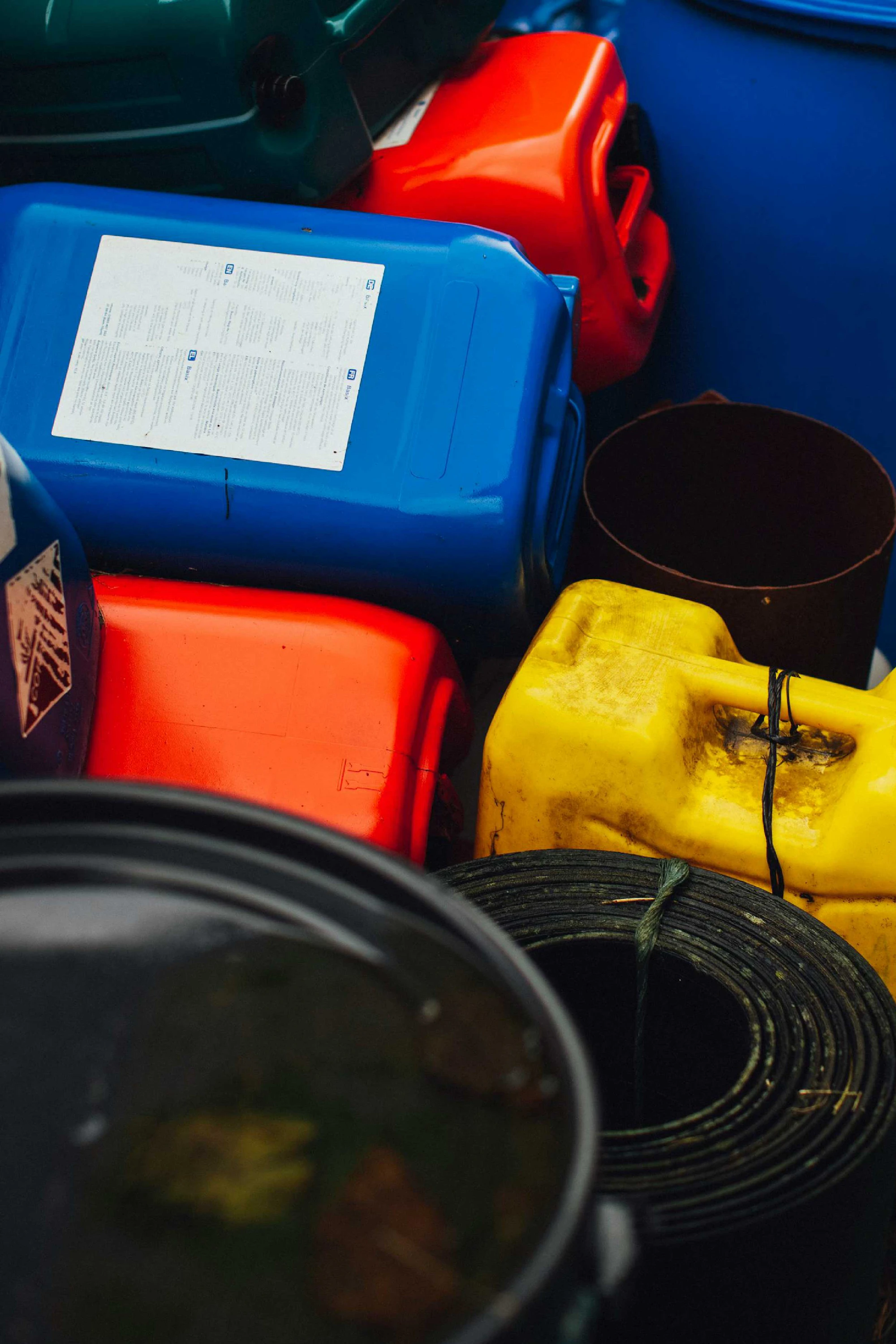
Most businesses produce some form of hazardous waste. This includes offices, schools, hotels, retailers, hospitals, factories, and cleaning companies.
Common examples include:
Please contact our Helpdesk for more information on what can be collected as hazardous waste.
Contact our Helpdesk with details of the hazardous waste you need to dispose of. Our specialist will help you determine the most appropriate collection method.
You will be asked to provide:
Collections and prices depend on the items involved. One or more of the following containers or collection methods may be required:
Collections can be arranged on an ad hoc basis or as part of a regular schedule, depending on your needs.
After collection, different types of hazardous waste are sent to specialist facilities for appropriate treatment or recovery.
Sent to Williams Environmental, Watson Close, Grays RM20 3EF, where they are stored, repackaged and bulked before being sent off-site for Energy-from-Waste recovery through incineration.
Sent to SWEEEP Kuusakoski Ltd, Gas Road, Sittingbourne, Kent ME10 2QB. Lead is removed in a high-temperature furnace, and clean glass is reused in construction products.
Sent to Williams Environmental, Watson Close, Grays RM20 3EF, where they undergo temporary storage and physicochemical treatment before being sent off-site for aqueous incineration.
Sent to Recolight, Suite 265 Airport House, Purley Way, Croydon CR0 0XZ.The tubes are crushed and separated into glass, metals, and phosphor powder. Mercury is safely captured, and the remaining materials are reused.
Sent to European Metal Recycling, Manor Road, Erith, Kent DA8 2AD.Refrigerants and blowing agents are removed before the units are shredded. Metals, plastics, and insulation are then recovered.
Sent to Ecobat, Crescent Works, Willenhall Road, Darlaston, West Midlands WS10 8JR.The batteries are broken down, and the lead, plastic, and acid are separated. Lead is melted for reuse, plastic is recycled, and acid is neutralised or reused.
Sent to Williams Environmental, Watson Close, Grays RM20 3EF, where it is stored, repackaged, and bulked before being sent off-site to approved oil-recovery outlets for refining and reuse.
Sent to Williams Environmental, Watson Close, Grays RM20 3EF, where it is stored, repackaged, and bulked before being sent off-site to Energy-from-Waste facilities for recovery.
Sent to Williams Environmental, Watson Close, Grays RM20 3EF, where it is stored, repackaged, and bulked before being sent off-site for Energy-from-Waste recovery through incineration.
Sent to Williams Environmental, Watson Close, Grays RM20 3EF, where they are stored and repackaged before being sent off-site for solvent recovery, if ethanol-based, or to anaerobic digestion, where suitable.
Sent to Williams Environmental, Watson Close, Grays RM20 3EF, where they undergo storage, repackaging, and physicochemical treatment before being sent off-site for solvent recovery, recycling, or use as kiln fuel.
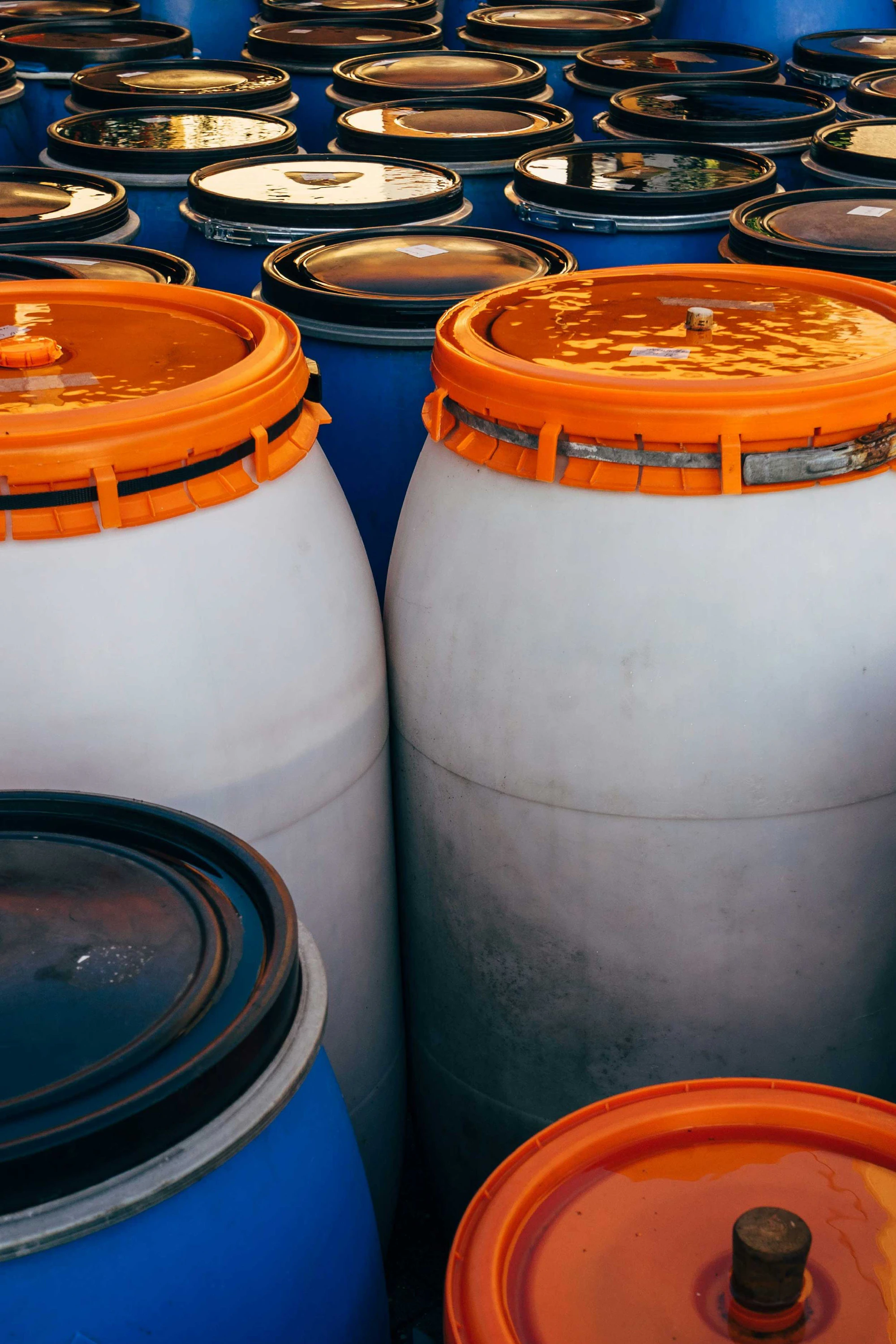
Managing your hazardous waste properly with Recorra helps prevent harmful substances from entering the environment and ensures that the waste follows safe, compliant treatment routes.
This reduces pollution risks and supports resource efficiency by recovering materials where possible and reducing the need for new raw materials.
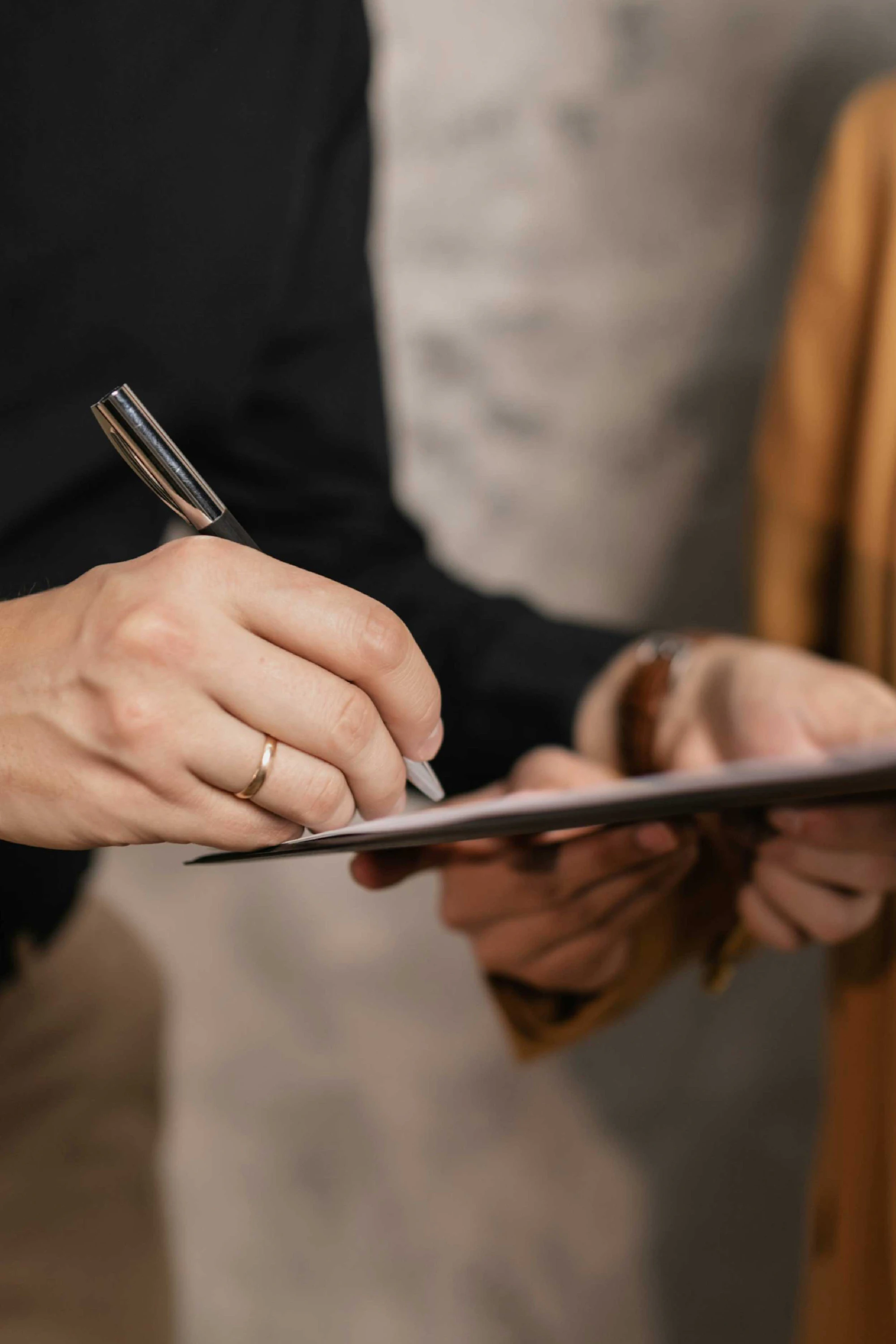
In the UK, all businesses must identify and classify their waste before it is collected or disposed of.
Businesses also have a legal ‘duty of care’ under the Environmental Protection Act 1990. This is intended to ensure that waste is handled safely and does not harm people or the environment.
If your business produces hazardous waste, you must ensure that it is:
Recorra is an authorised waste carrier and operates in accordance with relevant waste legislation.
Recorra will provide a Hazardous Waste Consignment Note for every hazardous waste collection as required under the Hazardous Waste (England and Wales) Regulations 2005.
You are legally required to:
Find out more about waste duty of care here.
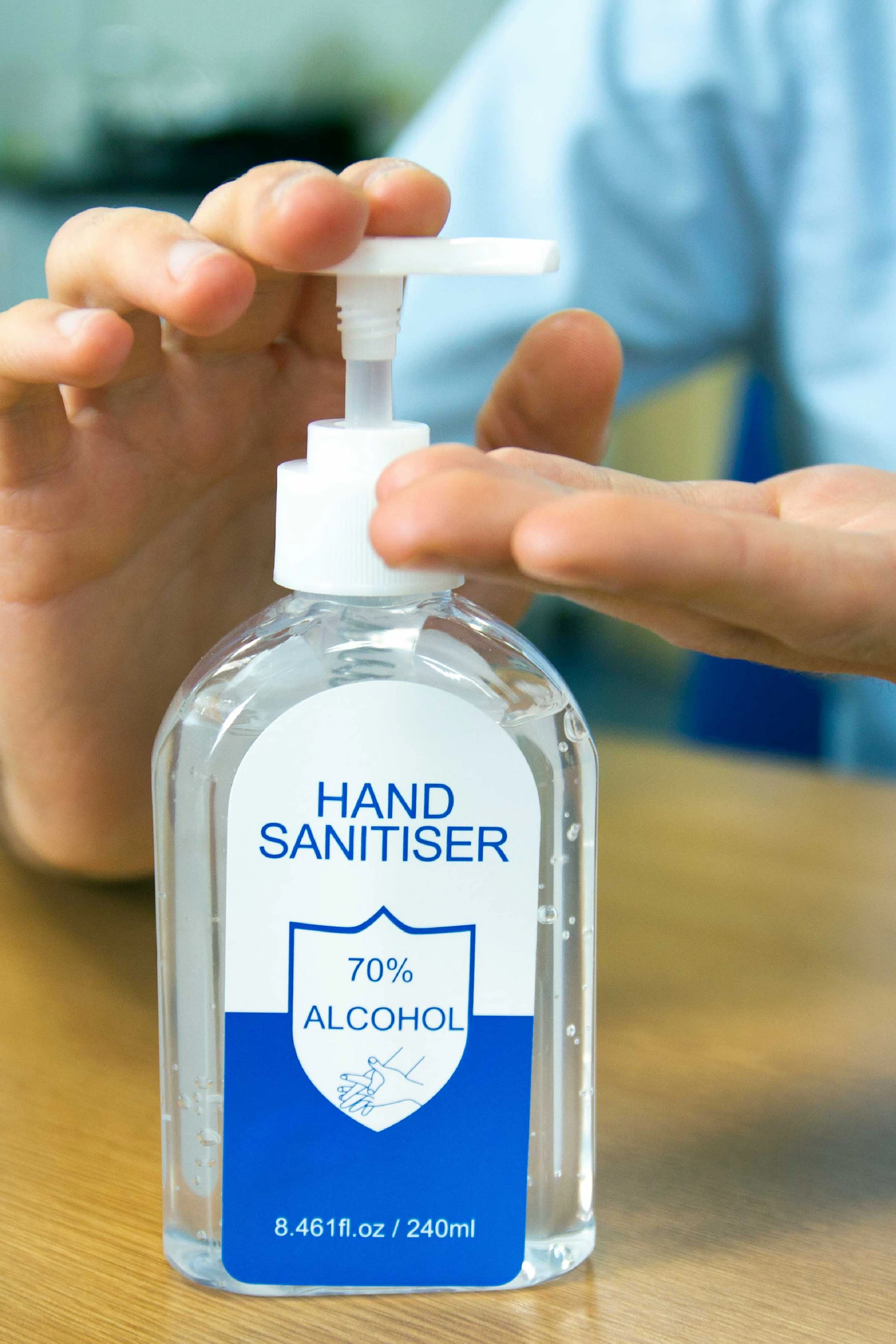
Contact Recorra’s Helpdesk to reach our hazardous waste specialist. They can help you classify your waste and understand the steps required to dispose of it legally.
Businesses in the UK must identify and classify their waste before sending it for recycling or disposal. This ensures that anyone handling the waste has the information needed to manage it properly.
You have a duty of care to ensure that hazardous waste produced or handled by your business causes no harm or damage. A hazardous waste consignment note will be provided for each collection, and you are legally required to keep a copy for three years.
You will need to provide Recorra with:
Persistent organic pollutants (POPs) are hazardous chemical pollutants that resist natural breakdown and can remain in the environment for exceptionally long periods.
Items containing POPs require specific handling to minimise environmental impact and ensure compliance.
Want to dispose of your hazardous waste the right way? Get an instant quote today or contact our team for a bespoke service plan that fits your business needs.
Recorra is proud to sponsor Hitchin Belles FC, supporting girls and women to thrive through grassroots football.
Discover how effective food waste collection can help your business reduce waste, recover valuable resources and manage food waste more sustainably.
Discover what happens to your business data when IT equipment reaches the end of its life, and why secure data destruction is essential for protecting sensitive information.
