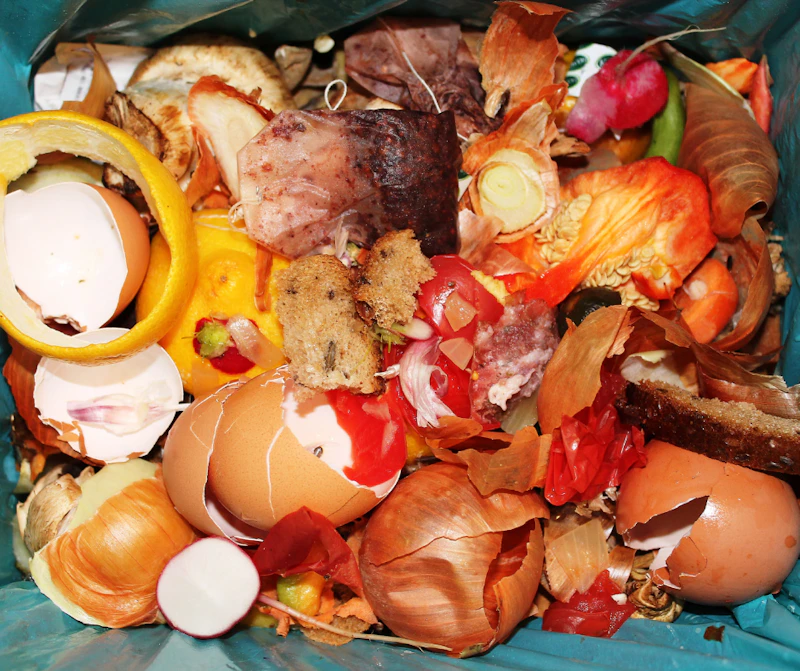
Food Waste Collection: How Businesses Can Turn Food Waste into a Resource
Discover how effective food waste collection can help your business reduce waste, recover valuable resources and manage food waste more sustainably.
Log in to your account to view
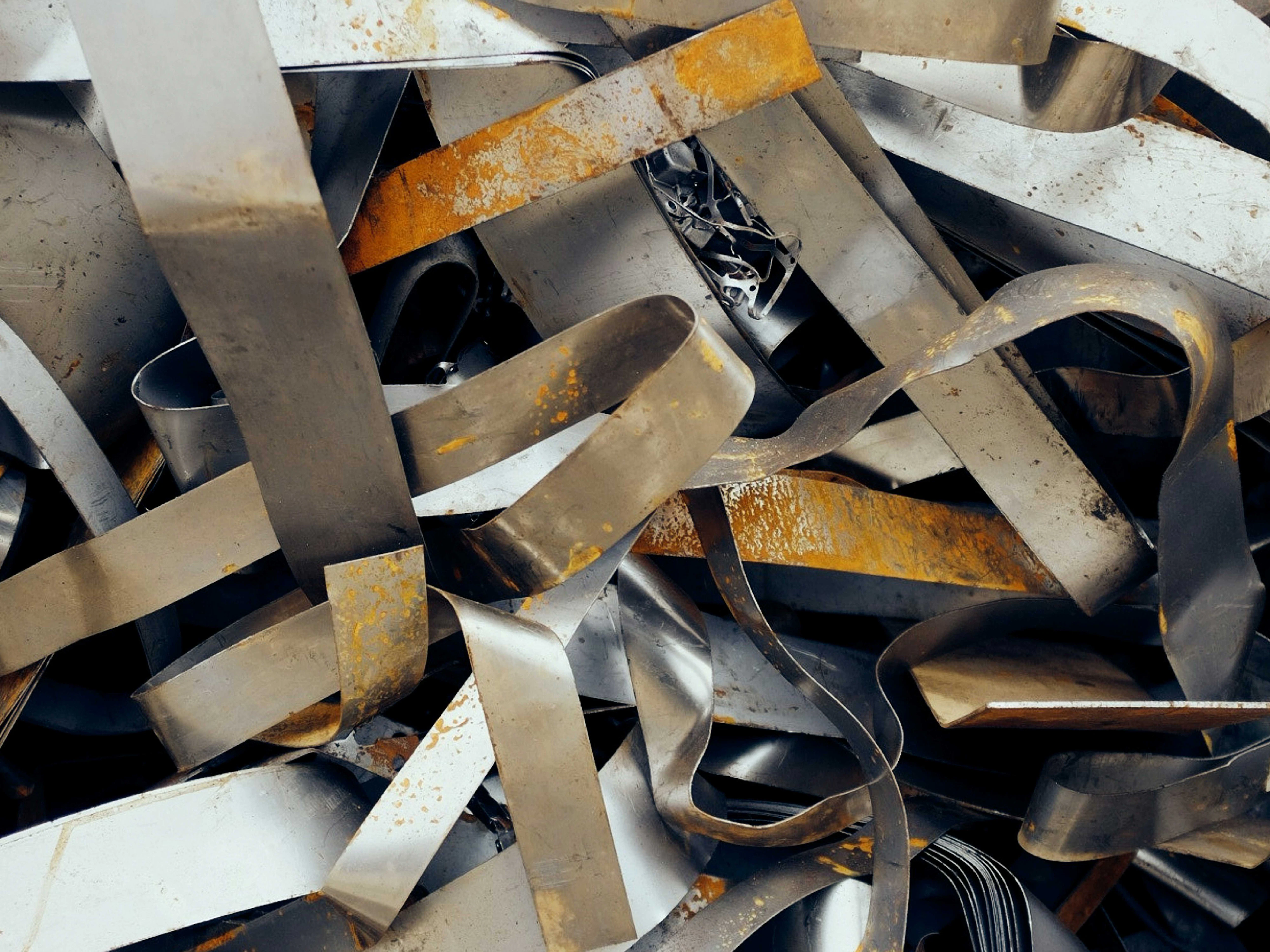
Our metal recycling service helps businesses recycle both ferrous and non-ferrous metals responsibly. Metals are one of the most valuable materials in the circular economy because they can be recycled repeatedly without losing their quality or performance.
Whether you’re disposing of metal packaging, fixtures, fittings, or scrap metal, we can help ensure these materials remain in circulation and are transformed into new products.
6yd
Size: 1.20m (H) 1.80m (W) 3.60m (D)
Best for: Manufacturing sites, construction projects, warehouses, office clearances
8yd
Size: 1.25m (H) 3.40m (W) 1.68m (D)
Best for: Manufacturing sites, construction projects, warehouses, office clearances
12yd
Size: 1.63m (H) 3.99m (W) 1.75m (D)
Best for: Manufacturing sites, construction projects, warehouses, office clearances
14yd
Size: 1.83m (H) 4.04m (W) 1.75m (D)
Best for: Manufacturing sites, construction projects, warehouses, office clearances
16yd
Size: 1.83m (H) 4.45m (W) 1.75m (D)
Best for: Manufacturing sites, construction projects, warehouses, office clearances
01
Contact our Helpdesk to discuss your metal recycling requirements.
02
We’ll recommend the most appropriate skip size and collection frequency for your needs.
03
Your skips will be delivered to your site as agreed. Inform your staff of the location and proper use of the skips.
04
Place metal waste in the designated container.
05
Recorra Operatives will collect the container as agreed.
06
Materials are transported for sorting, recycling, and onward manufacturing at specialist recycling facilities, including European Metal Recycling (EMR) in London.
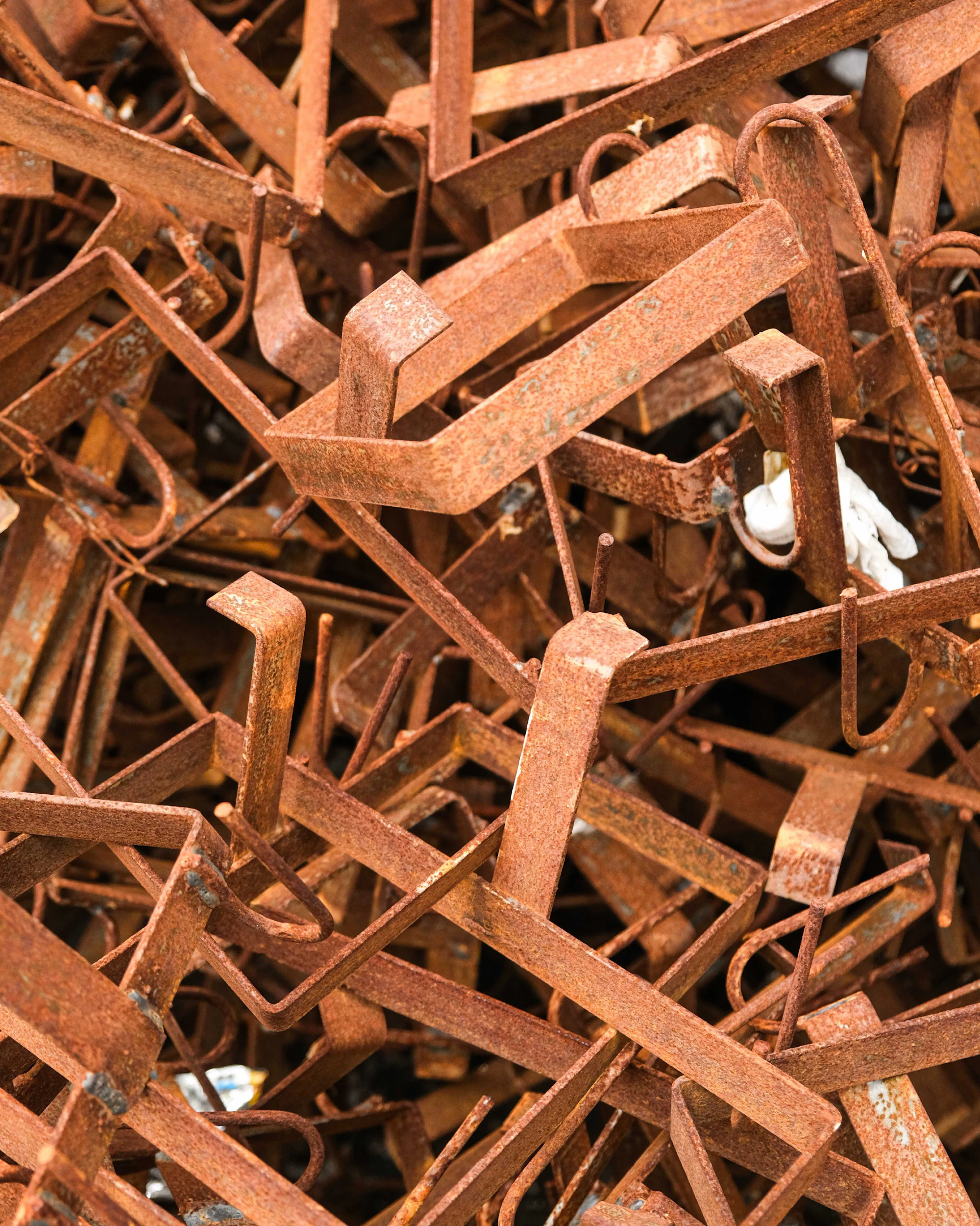
Metals are separated into ferrous and non-ferrous materials before being sent to specialist recycling facilities. Aluminium cans are sent to a specialist smelting facility in Cheshire.
Metal collected through our skips is sent to European Metal Recycling (EMR) in London. There, materials are shredded and separated by density and material type using magnets and X-ray technology. The metals and aggregates are sold on to end markets.
EMR (European Metal Recycling Ltd), Bidder Street, Canning Town, London, E16 4SZ
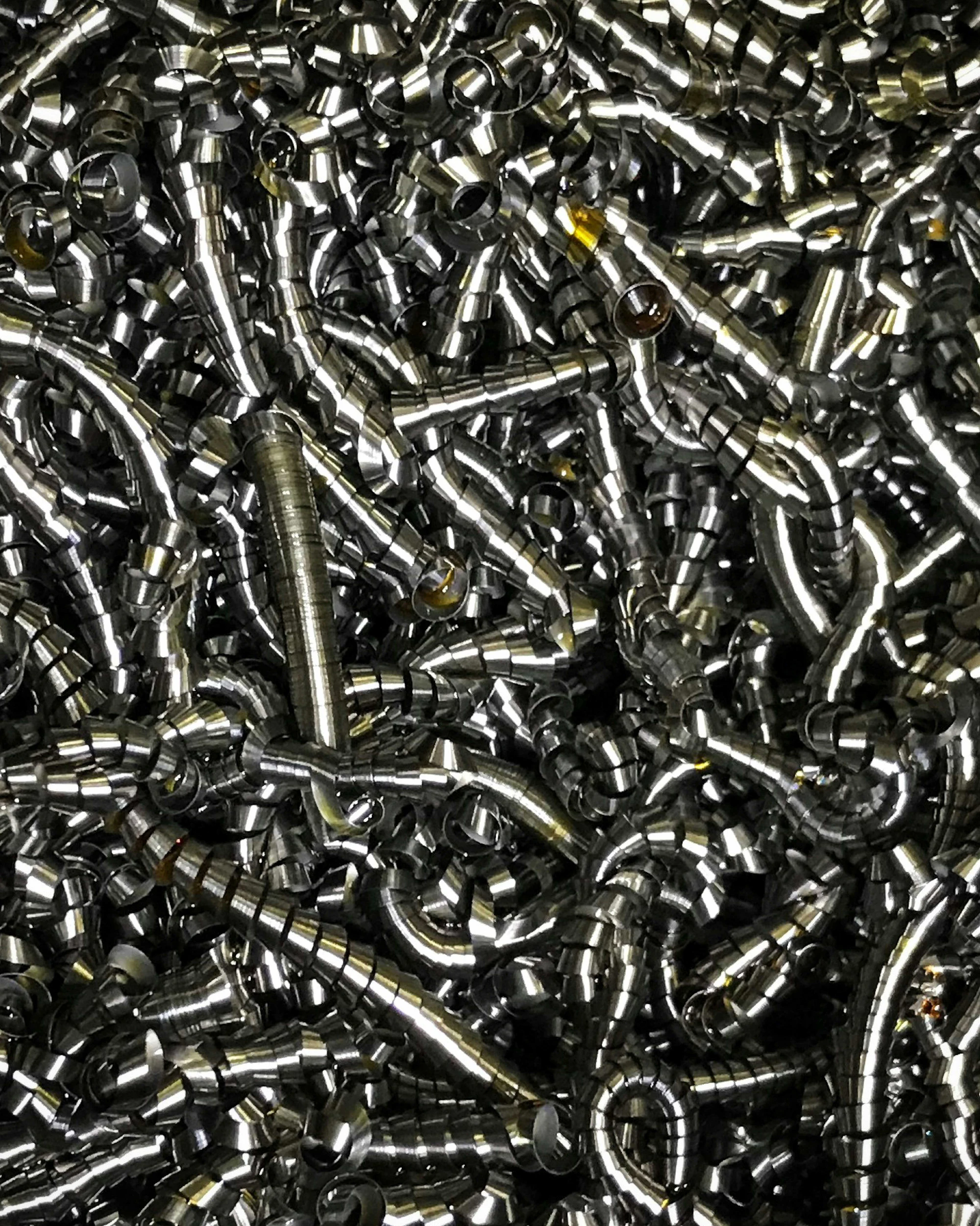
Metal recycling plays an important role in conserving natural resources and reducing environmental impact.
Benefits include:
Because metals can be recycled indefinitely, they are among the most circular materials available today.
Common recyclable metals include aluminum, steel, copper, brass, iron, and tin. Precious metals like gold and silver can also be recycled, though they’re less common in general household recycling.
Ferrous metals contain iron and are usually magnetic. Non-ferrous metals do not contain iron and include materials such as aluminium, copper, and brass.
Where possible, metals should be free from excessive contamination to help maintain recycling quality.
Recycled metal is melted down and formed into new products such as construction materials, appliances, automotive parts, or packaging like aluminum cans.
Want to dispose of your metal the right way? Get an instant quote today or contact our team for a bespoke service plan that fits your business needs.
Discover how effective food waste collection can help your business reduce waste, recover valuable resources and manage food waste more sustainably.
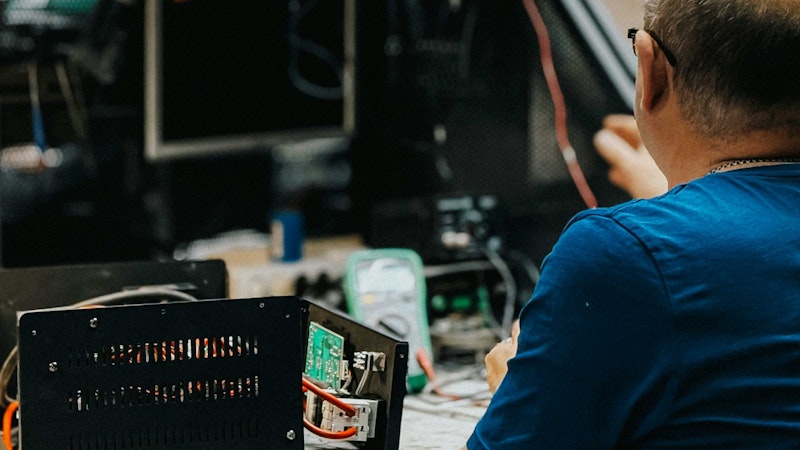
Discover what happens to your business data when IT equipment reaches the end of its life, and why secure data destruction is essential for protecting sensitive information.
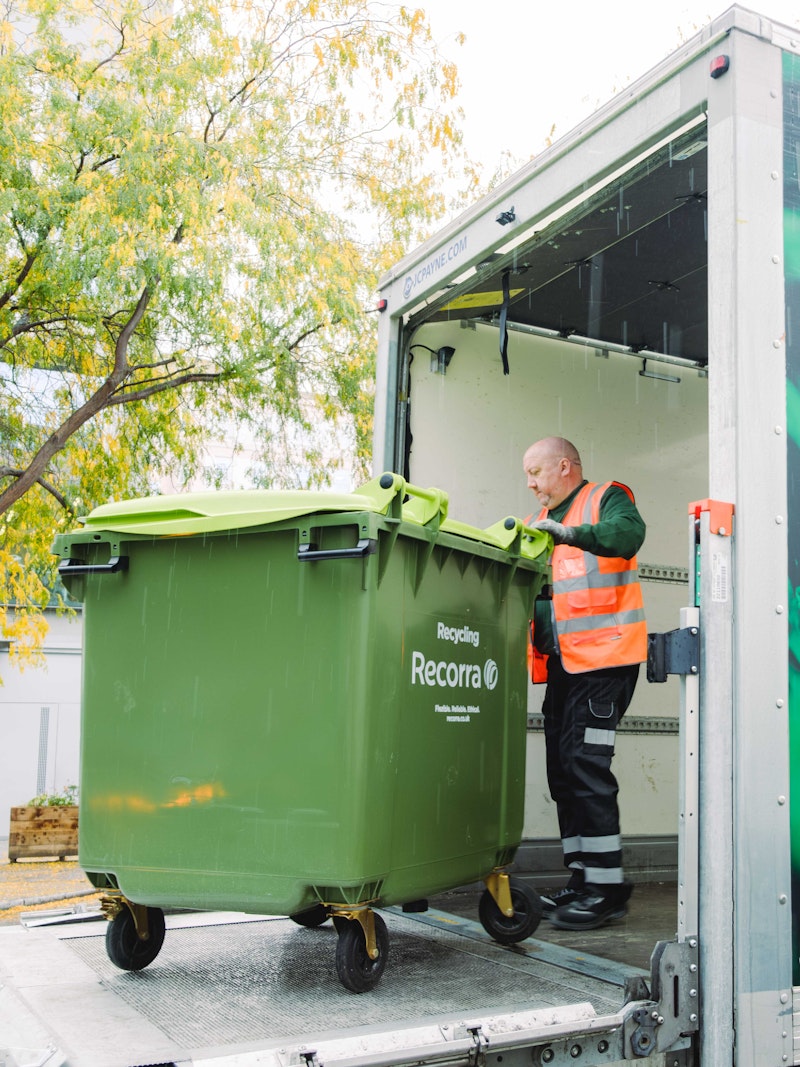
Discover 7 practical ways businesses can get more value from dry mixed recycling, from reducing contamination and improving employee recycling habits to optimising collections and using waste data to cut costs and increase recycling performance.
